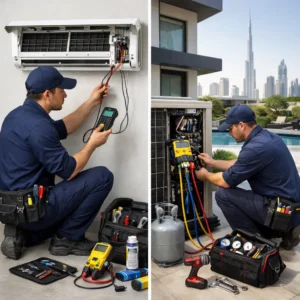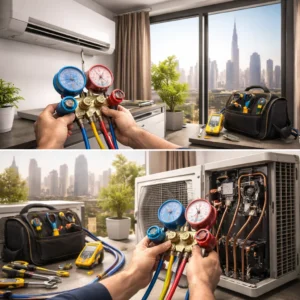





Searching for ac removal service usually means you are at a turning point with your air conditioning system. Maybe the unit no longer works, is being replaced, is part of a renovation, or is creating safety or space concerns. At this stage, the biggest pain point for most users is uncertainty: whether removal really needs professionals, what risks are involved, what happens to the old unit, and how this decision affects repair or replacement plans. This guide explains AC removal in a clear, practical way so you can make a safe and informed decision without unnecessary cost or future problems.
Table of Contents
ToggleWhy Professional AC Removal Is Necessary
AC removal is often underestimated. Many people assume it is simply a matter of disconnecting the unit and taking it down. In reality, modern air conditioning systems are complex machines that involve refrigerant gas, electrical circuits, structural mounting, and environmental responsibilities.
Professional AC removal is necessary for three main reasons: refrigerant recovery, electrical safety, and structural protection.
Refrigerant Recovery Is a Legal and Environmental Requirement
Air conditioners contain refrigerant gas that must be handled carefully. Releasing refrigerant into the air is harmful to the environment and, in many regions, not allowed under environmental regulations.
A professional AC removal service ensures that:
- Refrigerant is safely recovered using proper equipment
- No gas is released into the atmosphere
- The system is depressurized correctly before dismantling
Improper refrigerant handling can damage the environment and may also expose people nearby to health risks.
Electrical Safety Risks Are Often Overlooked
AC units are connected to dedicated electrical lines. Cutting or disconnecting these lines incorrectly can cause short circuits, sparks, or damage to the building’s electrical system.
Professional technicians follow safe shutdown procedures, isolate power sources, and disconnect wiring properly. This reduces the risk of electrical accidents and prevents hidden damage that could affect future installations.
Structural Damage Can Occur During Improper Removal
Wall-mounted, window, and central AC systems are often anchored to walls, ceilings, or rooftops. Removing them without proper support can lead to:
- Cracked walls or damaged window frames
- Ceiling or duct damage
- Roof membrane or waterproofing issues
Professional AC removal minimizes these risks by using the correct tools, support methods, and dismantling sequence.
Understanding Different Types of AC Removal Services
Not all AC systems are removed in the same way. The complexity, risk, and effort involved depend heavily on the system type. Understanding these differences helps you set realistic expectations.
Central AC System Removal
Central AC systems are integrated into ductwork, electrical panels, and sometimes chilled water or refrigerant piping across multiple zones.
Removing a central AC system typically involves:
- Safe refrigerant recovery from large volumes
- Disconnection of air handling units and duct interfaces
- Careful dismantling of indoor and outdoor components
- Coordination to avoid damage to ducts and ceilings
This type of removal often requires planning and multiple technicians. It is common during full system upgrades or major renovations. In many cases, removal is coordinated with AC installation or replacement to reduce downtime.
Wall-Mounted or Window AC Unit Removal
Wall and window units may look simpler, but they still carry risks if removed improperly.
Key considerations include:
- Supporting the unit’s weight during removal
- Sealing wall or window openings after removal
- Handling refrigerant and electrical connections safely
Improper removal can leave gaps that affect insulation, allow dust or moisture intrusion, or weaken the surrounding structure.
Commercial or Rooftop AC Unit Removal
Commercial and rooftop units involve additional logistics. These systems are heavier, larger, and often installed in hard-to-reach locations.
Professional removal may require:
- Rigging or lifting equipment
- Safety planning for rooftop access
- Coordination to protect roofing systems
Because of the higher risk and responsibility, professional handling is critical to avoid injury, property damage, or business disruption.
Cost Versus Value: What Drives AC Removal Effort
When users search for ac removal service, cost is a natural concern. However, focusing only on price can be misleading. The real value of professional removal lies in what the service covers and what risks it removes.
Several factors influence the effort and responsibility involved in AC removal:
- System size and weight
- Type and volume of refrigerant
- Accessibility of the unit
- Electrical and structural complexity
- Environmental handling and disposal responsibility
A professional service accounts for these factors to ensure safety, compliance, and efficiency. Cutting corners may seem cheaper initially but can result in higher costs later due to damage, rework, or unsafe conditions.
Recycling, Scrap Value, and Eco-Friendly Disposal
Many users wonder what happens to an AC unit after removal and whether there is any scrap or recycling value.
Understanding Scrap Materials
AC units contain materials such as copper, aluminum, and steel. Copper coils, in particular, have recycling value. However, this value is not straightforward for homeowners.
Important realities include:
- Scrap value depends on market rates and material condition
- Safe dismantling is required before recycling
- Refrigerant must be removed before any scrapping
Professional removal ensures materials are handled responsibly rather than illegally discarded.
Eco-Friendly Disposal Matters
Environmentally responsible AC removal includes:
- Recovering refrigerant properly
- Separating recyclable materials
- Disposing of non-recyclable components safely
This approach reduces environmental harm and aligns with sustainability expectations, especially for commercial properties and environmentally conscious homeowners.
How to Prepare for an AC Removal Appointment
Proper preparation helps ensure the removal process is safe and efficient. Even though professionals handle the technical work, a few steps from the user side can make a difference.
- Clear access around the unit and work area
- Remove fragile items near the AC location
- Inform technicians of any known issues or modifications
- Confirm whether wall sealing or temporary protection is needed
For larger systems, coordination with building management or facility teams may also be necessary.
Removal, Repair, or Upgrade: How to Decide the Next Step
Many users searching for ac removal service are still deciding what comes next. Removal is often part of a bigger decision between repair, replacement, or upgrading to a more efficient system.
When Removal Alone Makes Sense
Removal without replacement may be appropriate when:
- The space is being repurposed
- The building is undergoing major renovation
- The AC system is permanently decommissioned
When Repair Is Still an Option
If the system is not severely damaged, professional AC repair may still be a viable alternative. A proper inspection can help determine whether repair is cost-effective compared to full removal.
When Upgrading Is the Better Choice
Older systems often consume more energy and require frequent repairs. In such cases, removal combined with AC installation or replacement can provide better long-term value, improved efficiency, and healthier indoor air.
Why Professional AC Removal Reduces Long-Term Risk
The biggest pain point users face is uncertainty. Improper removal can create hidden problems that only appear later, such as electrical faults, moisture intrusion, or installation difficulties for new systems.
Professional AC removal reduces long-term risk by ensuring:
- Safe and compliant refrigerant handling
- Clean electrical disconnection
- Minimal structural impact
- Clear transition planning for the next step
This approach protects both your property and your future investment in cooling systems.
When AC Removal Should Be Handled Properly
AC removal is not just about taking equipment away. If handled poorly, it can affect indoor air quality, building safety, renovation timelines, and future AC performance. Bio On Air provides professional AC removal with careful planning, safe procedures, and clear communication so users understand what is happening at every step. Acting carefully at the removal stage helps avoid unnecessary cost, delays, and risks later. For consultation or to discuss the safest next step, you can use the WhatsApp or Call button at the top right of this page to connect with our team.
Conclusion
Choosing a professional ac removal service is about more than convenience. It is about safety, responsibility, and making the right transition decision for your space. Refrigerant recovery, electrical disconnection, and structural protection require trained handling, especially in the UAE’s demanding climate.
By understanding removal types, environmental responsibilities, and the link between removal, repair, and replacement, you can make informed choices without rushing. Professional removal reduces risk, protects your property, and gives you clarity on what comes next—whether that is repair, upgrade, or a completely new system. Taking the right approach at this stage sets the foundation for safer, more efficient cooling in the future.