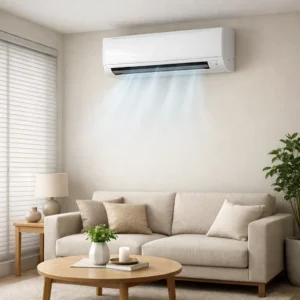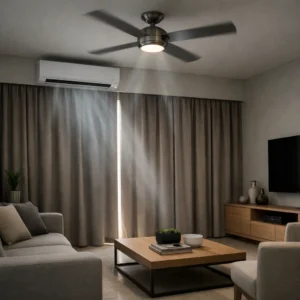





Choosing the right ac placement in bedroom is not just about where it fits on the wall. In the UAE, where AC runs for long hours, proper placement directly affects sleep comfort, cooling efficiency, and even indoor air quality. This guide explains ideal positioning, airflow direction, installation height, and practical setup tips for better performance and health.
Table of Contents
ToggleWhy AC Placement in Bedroom Matters More Than You Think
In many homes, AC is installed based on convenience—empty wall space, wiring access, or quick installation. However, poor placement can lead to uncomfortable airflow, uneven cooling, higher electricity usage, and even health issues like dry throat or sinus irritation.
In Dubai and across the UAE, AC systems often run throughout the night. This makes bedroom placement especially important because airflow directly affects your sleep for hours.
Proper placement ensures:
- Balanced cooling across the room
- No direct cold air hitting your body
- Stable temperature throughout the night
- Reduced humidity and condensation issues
Ideal AC Position Avoid Direct Airflow to the Bed
The most common mistake in bedroom AC placement is installing the unit directly facing the bed. While this may cool the room quickly, it often creates discomfort during sleep.
Direct airflow can cause:
- Dry skin and throat
- Muscle stiffness
- Interrupted sleep due to cold drafts
Best practice:
- Position the AC so airflow travels across the room, not directly onto the bed
- Use indirect airflow paths to allow air to circulate naturally
This creates a softer, more consistent cooling effect.
Choosing the Right Wall for AC Installation
Not all walls are equal when it comes to AC installation.
Avoid Walls Facing Direct Sun Exposure
Walls exposed to direct sunlight absorb heat during the day. Installing AC on these walls forces the unit to work harder.
Prefer Internal or Shaded Walls
Internal walls or shaded exterior walls provide more stable temperature conditions, improving efficiency.
Avoid Installing Above the Bed Headboard
This position often leads to direct airflow toward your head, which is uncomfortable during sleep.
Instead, place the unit slightly off-center or on a side wall if possible.
Airflow Direction and Louver Settings
Even with correct placement, airflow direction plays a major role.
Horizontal Direction
- Aim airflow toward open space, not directly toward sleeping areas
- Use swing mode for even distribution
Vertical Direction
- Angle louvers slightly upward for indirect cooling
- Avoid downward airflow during sleep
Proper airflow direction ensures that cool air circulates rather than hitting one spot.
Optimal AC Installation Height and Clearance
Correct height is essential for proper air circulation.
| Measurement | Recommended Range |
|---|---|
| Height from floor | 2.1 – 2.4 meters |
| Top clearance | 10 – 15 cm |
| Side clearance | 15 – 30 cm |
| Distance from ceiling | 10 – 20 cm |
Installing too low reduces airflow spread, while installing too high without clearance restricts intake.
Placement Strategy for Dubai Climate
Dubai’s climate introduces unique challenges:
- Extreme outdoor heat
- High humidity levels
- Constant AC usage
Because of this:
- Airflow must be evenly distributed to prevent hot spots
- Condensation risk increases when warm air meets cold surfaces
Proper placement helps reduce moisture buildup and improves cooling efficiency.
Humidity and Condensation Considerations
Incorrect AC placement can increase condensation, especially near windows or poorly insulated walls.
Condensation may lead to:
- Water stains on walls or ceiling
- Mold growth
- Unpleasant odors
To reduce this risk:
- Avoid placing AC near glass windows
- Ensure proper airflow circulation
- Maintain consistent indoor temperature
Drainage Slope and Piping Logic
Drainage is often overlooked during installation, but it is critical.
Key principles:
- Drain pipe must slope downward continuously
- No upward loops or flat sections
- Proper insulation to prevent condensation on pipes
Poor drainage leads to water leakage and long-term damage.
Maintenance Accessibility Matters
AC units need regular maintenance. Poor placement can make servicing difficult.
Ensure:
- Easy access to filters and internal components
- Enough space for technicians to work
- No obstruction from furniture or built-in cabinets
Planning accessibility saves time and cost in the future.
Sleep Comfort Settings and Adjustments
Beyond placement, settings also affect comfort.
Sleep Mode
Gradually adjusts temperature during the night to prevent overcooling.
Louver Adjustment
Set louvers to indirect airflow for gentle cooling.
Fan Speed
Lower speeds reduce noise and airflow intensity.
These adjustments improve sleep quality significantly.
Thermostat Placement and Temperature Balance
The thermostat should reflect the actual room temperature, not localized airflow.
Avoid placing thermostat:
- Near direct airflow
- Close to windows or heat sources
Recommended temperature for sleep in UAE:
- 23°C – 25°C for balanced comfort and efficiency
Quick Reference Installation Guide
| Factor | Recommendation |
|---|---|
| AC position | Not directly facing bed |
| Wall choice | Internal or shaded wall |
| Height | 2.1 – 2.4 meters |
| Airflow | Indirect, upward angle |
| Drain slope | Continuous downward |
| Temperature | 23–25°C |
Common Mistakes in Bedroom AC Placement
- Installing directly above bed
- Ignoring airflow direction
- No clearance for airflow
- Poor drainage setup
- Placing near heat sources
These mistakes reduce comfort and system efficiency.
When to Consider Repositioning Your AC
You may need to adjust placement if you experience:
- Uneven cooling
- Cold drafts during sleep
- Frequent condensation issues
- High electricity bills
In some cases, repositioning or upgrading the system through proper AC installation planning can significantly improve performance.
Long-Term Impact of Proper Placement
Correct AC placement provides:
- Better sleep quality
- Lower energy consumption
- Reduced maintenance issues
- Improved indoor air quality
It is not just about comfort—it is about system efficiency and long-term cost savings.
If your bedroom AC setup is causing discomfort, uneven cooling, or signs of condensation, it may be worth reviewing your current placement. Issues related to airflow direction, installation height, or drainage can gradually affect both your comfort and system performance. Over time, this can lead to higher energy usage, moisture buildup, and even mold risk. Addressing these factors early helps maintain a healthier indoor environment and more stable cooling. If you want to better understand your setup or explore the most suitable solution, you can use the WhatsApp or Call button on the top right to connect with the Bio On Air team for guidance based on your room condition.
Conclusion
Proper ac placement in bedroom plays a major role in comfort, efficiency, and health. By focusing on airflow direction, wall selection, installation height, and drainage, you can create a balanced cooling environment that supports better sleep and long-term AC performance.