Searching for ac outdoor fitting usually happens when people notice cooling problems, gas leakage concerns, messy piping outside the house, or when a new AC unit has just been installed and the outdoor side does not look right. The outdoor part of an AC system is often ignored because it sits outside the living space, yet it plays a critical role in cooling performance, safety, energy efficiency, and system lifespan. Poor outdoor fitting is one of the most common hidden reasons why AC systems fail early, leak refrigerant, or require repeated repairs.
Table of Contents
ToggleWhat Is Included in AC Outdoor Fitting
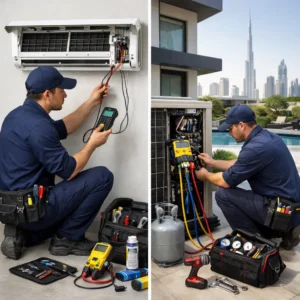
Before discussing problems or solutions, it is important to clearly understand what ac outdoor fitting actually includes. Many people assume it only refers to placing the outdoor unit, but in reality it involves several interconnected components that must work together correctly.
Common outdoor fitting components include:
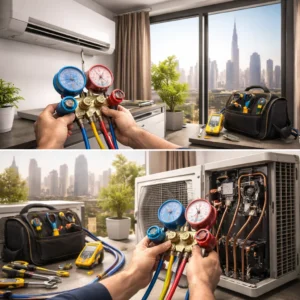
- Service valves: These valves control the flow of refrigerant between indoor and outdoor units and are critical during installation, servicing, and gas charging.
- Refrigerant line fittings: Copper pipe connections that carry refrigerant. Proper tightening and sealing are essential to prevent leaks.
- Protective line covers: External covers that shield refrigerant pipes and cables from sunlight, rain, dust, and physical damage.
- Outdoor electrical connections: Power cables, communication wiring, and grounding that connect the outdoor unit safely to the indoor system.
Each of these parts may look simple, but small mistakes during outdoor fitting can cause refrigerant loss, electrical faults, corrosion, or poor cooling performance over time.
Why AC Outdoor Fitting Quality Matters
The outdoor side of an AC system is constantly exposed to harsh conditions. In hot climates, it faces extreme heat and UV radiation. In coastal or humid areas, moisture and salt accelerate corrosion. Dust, insects, and debris can also interfere with fittings.
When outdoor fitting is done poorly, the consequences are not always immediate. Problems often appear gradually, such as:
- Cooling becoming weaker over weeks or months
- Frequent need for gas refill
- Unusual noises or vibration
- Higher electricity consumption
Because these symptoms develop slowly, many people do not realize that the root cause lies in incorrect outdoor fitting rather than the AC unit itself.
Leak-Related Concerns in AC Outdoor Fitting
Refrigerant leakage is one of the most common and costly problems linked to poor ac outdoor fitting. Leaks often occur at connection points rather than inside major components.
Basic Visual Indicators of Leaks
You do not need advanced tools to notice early signs of leakage. Some basic visual indicators include:
- Oily residue around pipe joints or service valves
- Dirt sticking to specific connection points
- Discoloration or damp patches near fittings
Refrigerant oil often escapes together with gas, leaving visible traces. These are early warnings that should not be ignored.
Icing and Performance Clues
Another sign of fitting-related leaks is icing. Frost or ice forming on outdoor pipes or valves may indicate low refrigerant pressure caused by leakage.
Performance-related clues include:
- AC takes longer to cool the room
- Airflow feels normal but temperature does not drop
- Outdoor unit runs continuously without reaching set temperature
These symptoms often lead people to refill gas repeatedly, but without fixing the fitting issue, the problem returns.
Warnings About Improper Tightening
One of the most misunderstood aspects of outdoor fitting is tightening refrigerant connections. Over-tightening can crack flare joints or deform copper pipes. Under-tightening creates micro-gaps that allow gas to escape.
Both mistakes worsen damage over time. Improper tightening may not leak immediately, but thermal expansion and vibration can slowly open gaps, turning a small mistake into a major leak.
Protection and Aesthetics in AC Outdoor Fitting
Outdoor fitting is not only about function. Protection and appearance also matter, especially for residential properties where exposed piping can affect both durability and visual appeal.
Weather and Sunlight Protection
Direct sunlight accelerates insulation breakdown on refrigerant pipes. Without proper covers, insulation can crack, exposing copper lines to heat and moisture.
Rainwater and humidity can seep into poorly sealed joints, increasing corrosion risk. Proper outdoor fitting includes shielding pipes and connections from direct weather exposure.
Moisture, Pests, and Environmental Risks
Outdoor fittings that are left unprotected attract insects and small pests seeking shelter. These can damage insulation, chew wiring, or block drainage paths.
Moisture accumulation around fittings can also encourage mold or rust, especially near wall penetrations where water can collect if sealing is inadequate.
Reducing Visual Clutter
Messy piping, hanging cables, or uneven covers not only look unattractive but also signal poor workmanship. Neat routing of pipes and cables improves:
- Ease of future maintenance
- Protection from accidental damage
- Overall property appearance
Clean outdoor fitting reflects attention to detail and often correlates with better technical quality.
Proper Installation Standards for AC Outdoor Fitting
Good ac outdoor fitting follows clear installation principles, even without discussing specific measurements or prices. These principles focus on material quality, protection, and long-term reliability.
Material Quality and Compatibility
Outdoor fittings rely on materials that can withstand temperature changes and environmental exposure. Copper pipes should be suitable for refrigerant use, and electrical cables must be rated for outdoor conditions.
Using substandard materials may reduce initial cost but significantly shortens system lifespan.
Insulation and Protection Practices
Proper insulation around refrigerant lines is essential to prevent energy loss and condensation. Outdoor insulation must be protected from sunlight and physical damage using covers or protective sleeves.
Without this protection, insulation deteriorates quickly, reducing efficiency and increasing the risk of moisture-related problems.
Wall Penetration and Sealing
Where pipes and cables pass through walls, sealing is critical. Poor sealing allows:
- Water to enter walls
- Insects and dust to infiltrate indoor spaces
- Air leaks that reduce efficiency
Proper sealing improves both system performance and building integrity.
Routine Maintenance for Outdoor Fittings
Even the best outdoor fitting requires periodic checks. Routine attention helps detect small issues before they become expensive repairs.
Seasonal Visual Inspections
At least once every season, visually inspect outdoor fittings. Look for:
- Cracked or missing insulation
- Loose covers or exposed pipes
- Signs of corrosion or discoloration
Early detection allows simple corrective action instead of major repair.
Vibration and Stability Checks
Outdoor units vibrate during operation. Over time, vibration can loosen fittings or supports.
Check whether:
- Pipes are rubbing against walls or metal edges
- Supports remain firm and level
- No new rattling sounds appear during operation
Clearance From Plants and Soil
Plants growing near outdoor fittings can trap moisture and restrict airflow. Soil buildup near the base of outdoor units increases corrosion risk.
Maintaining clear space around the unit and fittings improves airflow and reduces environmental damage.
Early Corrosion Detection
Corrosion often starts small, especially on exposed metal parts. Early rust spots or flaking should be addressed promptly to prevent structural weakening.
Common Mistakes in AC Outdoor Fitting
Understanding common mistakes helps you recognize poor workmanship.
- Leaving refrigerant pipes exposed to direct sunlight
- Using mismatched or low-quality fittings
- Over-tightening or uneven tightening of joints
- Poor sealing around wall penetrations
- Messy cable routing that strains connections
These mistakes often do not cause immediate failure but shorten system life and increase long-term cost.
Poor vs Professional AC Outdoor Fitting Results
One of the most useful ways to judge ac outdoor fitting quality is by comparing outcomes.
Results of Poor Outdoor Fitting
- Frequent refrigerant loss and repeated gas refills
- Reduced cooling efficiency
- Higher electricity consumption
- Faster corrosion and component wear
- Unattractive and cluttered exterior appearance
Results of Professional Outdoor Fitting
- Stable cooling performance over time
- Lower risk of leaks and breakdowns
- Improved energy efficiency
- Cleaner, safer outdoor installation
- Easier maintenance and servicing
This contrast helps homeowners and property managers judge whether the fitting work meets acceptable standards.
DIY Handling vs Calling a Technician
Some basic outdoor maintenance tasks, such as visual inspections or clearing debris, are safe for homeowners. However, handling refrigerant lines, tightening fittings, or modifying electrical connections carries risk.
DIY handling may lead to:
- Accidental damage to fittings
- Hidden leaks that worsen over time
- Safety hazards from electrical exposure
Calling a qualified technician ensures that fittings are handled with proper tools, experience, and safety practices. Knowing when to stop DIY work is key to avoiding unnecessary damage.
Conclusion
AC outdoor fitting is far more than placing an outdoor unit outside your home. It involves careful handling of refrigerant connections, electrical wiring, insulation, sealing, and protection against environmental exposure. Poor outdoor fitting often leads to hidden problems such as leaks, corrosion, and inefficiency that surface only after months of use.
By understanding what components are involved, recognizing early warning signs, and knowing the difference between poor and professional workmanship, you can make better decisions about maintenance, repair, or installation. Whether you are inspecting an existing system or evaluating new work, attention to outdoor fitting quality protects comfort, reduces long-term costs, and ensures your AC system performs reliably in demanding conditions.