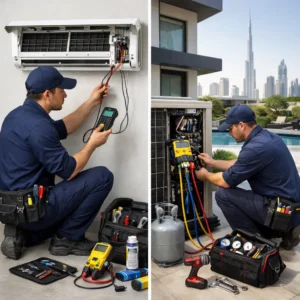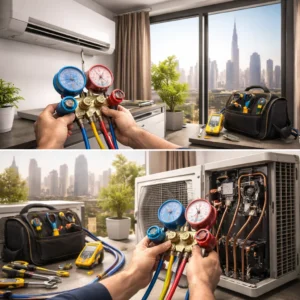





Planning an ac new install is one of the most important decisions you will make for long-term comfort, energy use, and indoor air quality. Many homeowners focus on brand names or advertised efficiency ratings, but the real difference between a comfortable home and years of frustration often comes down to system sizing, installation quality, and how well the contractor understands your space. This guide is written from a buyer-advocate perspective to help you avoid common mistakes, ask the right questions, and make decisions that deliver real value over the next 10–15 years.
Table of Contents
ToggleStart With Proper System Sizing, Not Brand or Price
The most common and costly mistake in an ac new install is choosing the wrong system size. Many people assume that a bigger AC will cool better or faster. In reality, oversizing often creates more problems than it solves.
An oversized system cools the room too quickly and shuts off before completing a full cooling cycle. This leads to:
- Uneven temperatures across rooms
- Higher humidity and a “clammy” indoor feeling
- More frequent on-off cycling that wears components faster
- Higher electricity consumption over time
Undersizing, on the other hand, forces the system to run constantly, struggling to meet demand and increasing wear and energy use. The right size is not a guess—it should be calculated.
Understand Load Calculations and Why You Should Demand Them
A proper ac new install should be based on a cooling load calculation, not just the size of your previous unit or the square footage of your home. Load calculations consider how much heat your home actually gains during the hottest conditions.
A professional load calculation typically accounts for:
- Total floor area and layout
- Ceiling height and room volume
- Insulation quality in walls and roof
- Window size, orientation, and shading
- Number of occupants and typical usage patterns
For example, a home with high ceilings and large west-facing windows may need more cooling capacity than a similar-sized home with better insulation and shading. If a contractor does not mention load calculations or relies only on “rule of thumb” sizing, that is a red flag.
How Layout, Insulation, and Ceiling Height Affect Tonnage
Tonnage is often discussed during an ac new install, but it is frequently misunderstood. Tonnage does not refer to the weight of the unit; it refers to cooling capacity.
Several physical factors directly influence how much tonnage you actually need:
- Open layouts: Large, open spaces require careful airflow planning, not just more capacity.
- High ceilings: More air volume means more heat to remove, which can increase required capacity.
- Insulation gaps: Poor insulation allows heat to enter continuously, forcing the system to work harder.
Ignoring these factors often leads to oversizing, higher bills, and discomfort. A buyer-advocate approach focuses on matching capacity to real conditions, not assumptions.
Break Down Efficiency Terms Without the Marketing Noise
Efficiency ratings are often used as selling points in an ac new install, but they can be confusing. Higher efficiency usually means lower energy use, but only if the system is installed and configured correctly.
Instead of memorizing acronyms, focus on what efficiency means in daily life:
- How consistently the system maintains temperature
- How much electricity it consumes during peak hours
- How quietly and smoothly it operates
A high-efficiency system installed poorly may perform worse than a mid-range system installed correctly. Efficiency should always be evaluated together with installation quality.
Understand System Types Before Choosing
An ac new install is also an opportunity to choose the right system type for your lifestyle and space.
Common system types include:
- Split systems: Suitable for individual rooms or small zones.
- Central systems: Ideal for whole-home cooling with ducted distribution.
- Ductless systems: Flexible zoning and easier installation in some layouts.
The right choice depends on your layout, comfort expectations, and future plans. A buyer-focused contractor explains trade-offs clearly instead of pushing a single option.
Hidden Installation Factors That Affect the Final Invoice
One of the biggest frustrations in an ac new install is discovering extra costs late in the process. These are often not “hidden” intentionally but are overlooked during early discussions.
Important factors that can affect the final scope include:
- Duct condition: Leaky or undersized ducts reduce efficiency and may need upgrades.
- Electrical readiness: Older wiring or panels may require adjustments.
- Thermostat requirements: Some systems need compatible or upgraded controls.
- Permits and approvals: Compliance can add time and coordination.
- Site preparation: Access issues, mounting surfaces, or space constraints.
Instead of asking for exact numbers upfront, a better approach is to ask the contractor to explain which of these factors apply to your home and how they influence pricing.
Installation Tiers Explained by Use-Case, Not Numbers
Rather than focusing on efficiency numbers alone, it is more helpful to think in terms of installation tiers based on use-case.
Typical tiers include:
- Standard comfort-focused installs: Reliable cooling for everyday use.
- Balanced efficiency installs: Improved energy performance with reasonable upfront cost.
- High-performance installs: Maximum comfort, quieter operation, and long-term energy savings.
The right tier depends on how long you plan to stay in the home, how sensitive you are to energy costs, and how important consistent comfort is to you.
Heat Pumps vs Traditional AC Systems
Many homeowners now consider heat pumps during an ac new install. Heat pumps can provide both cooling and heating, making them attractive in certain climates and usage patterns.
Key differences to consider:
- Traditional AC: Cooling only, often paired with separate heating systems.
- Heat pumps: Provide both heating and cooling in one system.
- Dual-fuel setups: Combine electric heat pump operation with backup heating.
Ownership considerations include upfront complexity, long-term energy costs, and maintenance familiarity. The best choice depends on your climate, energy prices, and comfort expectations.
Contractor Vetting Checklist for Buyers
Choosing the right contractor is as important as choosing the system itself. A buyer-focused checklist helps you filter out risky options.
Key items to verify:
- Valid licensing and local compliance
- Clear written scope of work
- Manufacturer and workmanship warranties
- Explanation of installation steps and timeline
Major red flags include vague answers, pressure tactics, refusal to explain sizing, and quotes that seem too good to be true.
Why Installation Quality Matters More Than Brand
Many buyers fixate on brand names, assuming premium brands guarantee better comfort. In reality, installation quality often has a bigger impact on performance than the logo on the unit.
Poor installation can lead to:
- Reduced efficiency regardless of system rating
- Shortened equipment lifespan
- Higher maintenance and repair needs
A well-installed mid-range system can outperform a poorly installed premium system for years.
Think Long-Term: Total Cost, Comfort, and Reliability
An ac new install is not a short-term purchase. You will live with the results for a decade or more. The true cost includes energy use, maintenance, comfort consistency, and peace of mind.
When judging value, focus on:
- How well the system matches your home’s needs
- The quality of installation and workmanship
- The clarity and honesty of the contractor
From a long-term perspective, careful planning, proper sizing, and professional installation deliver far more value than chasing the lowest upfront cost or the most advertised brand.
Conclusion
A successful ac new install starts with understanding your home, not picking a unit from a brochure. Proper system sizing, accurate load calculations, and attention to layout, insulation, and ceiling height are the foundation of comfort and efficiency. Efficiency ratings and system types only deliver real benefits when paired with quality installation and thoughtful design.
Hidden installation factors, contractor reliability, and long-term operating costs matter just as much as the equipment itself. By approaching installation as a long-term investment and prioritizing workmanship over brand hype, you protect your comfort, your energy budget, and the reliability of your system for many years to come.