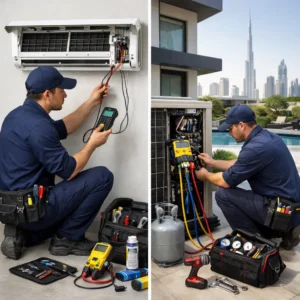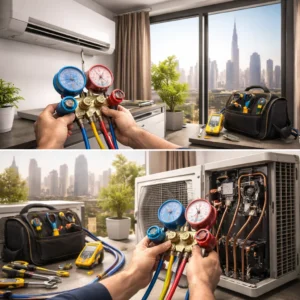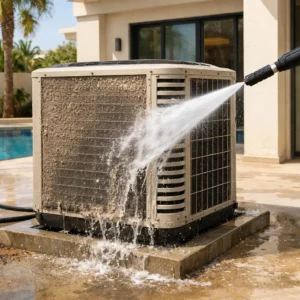





Preparing an ac maintenance tender is not just a paperwork exercise. It is a critical planning phase that determines service quality, cost control, system reliability, and dispute risk for the entire contract period. Many tenders fail not because of price, but because the scope is unclear, asset data is incomplete, or responsibilities are loosely defined. This guide explains how to prepare an AC maintenance tender properly, focusing on technical clarity, operational readiness, evaluation logic, and risk prevention.
Table of Contents
ToggleWhy Pre-Flight Preparation Matters in an AC Maintenance Tender
Before any tender document is issued, the most important work happens internally. Pre-flight preparation ensures that what you ask for is realistic, measurable, and aligned with the actual condition of your facilities. Without this phase, even the best service provider will struggle to deliver consistent results.
In an AC maintenance tender, poor preparation often leads to:
- Vague scope that causes service gaps
- Unexpected cost variations during execution
- Disputes over responsibility boundaries
- Inconsistent service quality across sites
Proper preparation protects both the client and the service provider by creating a shared understanding from day one.
System Audit as the Foundation of the Tender
A system audit is the starting point of any serious AC maintenance tender. This audit is not meant to repair or upgrade systems, but to document their current condition and operational realities.
A basic audit should cover:
- Type of AC systems in use (split, ducted, packaged, VRF, central)
- General operational condition and visible issues
- Critical systems that cannot tolerate downtime
- Areas with recurring complaints or performance issues
The goal is not to predict every failure, but to give bidders a realistic picture of what they are maintaining. When audits are skipped, bidders price based on assumptions, which often results in contract friction later.
Creating an Accurate Asset Registry of All AC Units
An asset registry is one of the most overlooked but essential components of an AC maintenance tender. Without it, maintenance scope becomes abstract.
A usable asset registry should include:
- Unique identification for each AC unit
- Location details (building, floor, zone)
- System type and configuration
- Accessibility notes (ceiling access, roof access, confined areas)
This registry does not need to include sensitive technical specifications, but it must be complete. Missing assets almost always reappear later as “out-of-scope” discussions.
For multi-site tenders, grouping assets by site and system type helps bidders assess manpower planning and service logistics more accurately.
Documenting Historical Service Records and Known Issues
Historical service data gives context. It tells bidders what the systems have been through and what problems tend to repeat.
Useful historical records include:
- Previous maintenance reports
- Common failure patterns
- Areas with frequent emergency call-outs
- Past system upgrades or retrofits
You do not need perfect records. Even partial data is better than none. Transparency at this stage reduces the risk of unrealistic service expectations and post-award disagreements.
Identifying Site Constraints That Affect Maintenance Operations
Site constraints significantly affect service delivery but are often missing from tender documents.
Examples of site constraints include:
- Restricted access hours
- High-security zones requiring permits
- Occupied spaces where noise or downtime is limited
- Shared plant rooms with other contractors
These constraints influence manpower planning, response strategies, and cost structure. When they are not disclosed, bidders either underprice or later request variations.
Defining the Technical Scope of Work Clearly
The technical scope of work is the heart of the AC maintenance tender. It defines what the service provider is responsible for—not how often tasks occur.
Good scope definitions focus on activities and outcomes, not frequencies or numbers.
Routine Maintenance Activities
Routine maintenance covers ongoing tasks that keep systems operational and stable.
Typical routine activities may include:
- Visual inspection of AC components
- Basic cleaning of accessible parts
- Operational checks and adjustments
- Reporting of abnormal conditions
The key is to define what “routine” means in practical terms without locking the contract into rigid schedules.
Periodic Maintenance Activities
Periodic maintenance involves deeper checks and servicing that support long-term performance.
This may include:
- Internal component inspection
- Performance verification against design intent
- Cleaning tasks requiring partial disassembly
By defining activities instead of frequencies, you allow flexibility while still controlling service quality.
Annual or Major Maintenance Activities
Annual maintenance focuses on system health rather than immediate performance.
Common elements include:
- Comprehensive system inspection
- Condition assessment and risk reporting
- Recommendations for future upgrades or replacements
This section is critical for budgeting and asset lifecycle planning.
Emergency and Reactive Maintenance
Emergency maintenance must be clearly defined to avoid disputes.
Instead of listing response times numerically, focus on:
- Definition of emergency conditions
- Escalation procedures
- Communication and reporting expectations
Clarity here ensures that urgent issues are handled consistently without ambiguity.
Evaluation and Selection Criteria Beyond Price
A strong AC maintenance tender evaluates bidders on capability, not just cost.
Key evaluation dimensions should include:
- Regulatory compliance and certifications
- Technical competence and experience
- Service reliability and continuity planning
- Performance indicators and reporting structure
- Response commitments and escalation logic
Price should be requested as a structured commercial submission, but without listing fixed figures in the tender narrative. This keeps the focus on value and risk alignment.
How to Ask for Pricing Without Listing Numbers
One common mistake in an AC maintenance tender is forcing bidders into rigid price formats too early.
Instead, pricing requests should focus on:
- Cost structure transparency
- Included vs excluded services
- Variation handling methodology
This approach allows fair comparison while reducing hidden cost exposure later.
Value-Add Components That Strengthen the Tender
Modern tenders benefit from additional tools and frameworks that improve execution.
Tender Templates and Standardized Schedules
Providing structured templates for submissions reduces interpretation errors and simplifies evaluation.
Scoring Matrices and Weighted Criteria
A scoring matrix ensures objective evaluation and reduces internal disagreement during selection.
Modernization and Upgrade Considerations
Including optional modernization pathways allows future planning without immediate commitment.
Predictive Maintenance and Data-Driven Insights
Predictive maintenance concepts encourage proactive service thinking and long-term efficiency.
Energy Efficiency and Sustainability Options
Energy efficiency considerations align maintenance with operational cost reduction goals.
Risk Prevention Through Clear Contract Controls
Most disputes arise from unclear wording and responsibility gaps.
Risk prevention strategies include:
- Clear definition of scope boundaries
- Explicit exclusions and assumptions
- Change control mechanisms
- Reporting and approval workflows
Contracts should support collaboration, not conflict.
Common Pitfalls to Avoid in an AC Maintenance Tender
Based on experience, the most common pitfalls include:
- Vague language that invites interpretation
- Incomplete asset data
- Unrealistic service expectations
- Hidden operational constraints
A well-prepared tender reduces these risks significantly.
When Professional Support Adds Value
Preparing an AC maintenance tender can be complex, especially for large or critical facilities. Professional input helps align technical scope, operational reality, and risk control.
At Bio On Air, we support organizations by clarifying system conditions, defining realistic maintenance scopes, and helping align service expectations with operational needs. Proper preparation helps prevent disputes, cost overruns, and service disruptions. If you want to discuss how an AC maintenance tender can be structured more clearly for your facility, you can use the WhatsApp or Call button at the top right of this page to start a technical discussion with our team.
Conclusion
An effective ac maintenance tender starts long before documents are issued. It requires system audits, accurate asset registries, honest disclosure of constraints, and a scope of work that focuses on activities and responsibilities rather than rigid numbers.
By evaluating bidders on compliance, reliability, and technical capability—and by embedding clear contract controls—you reduce execution risk and protect long-term system performance. A well-prepared tender is not just about selecting a service provider; it is about setting the foundation for stable operations, predictable costs, and professional collaboration throughout the contract lifecycle.