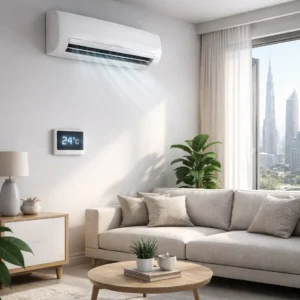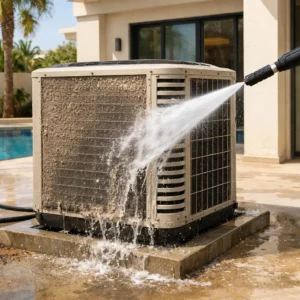





An ac maintenance kit is often the first thing people look for when their AC starts to smell, airflow feels weaker, or cooling performance drops slightly but the system still runs. Many homeowners and tenants want a practical way to maintain their AC between professional visits, without risking damage or unnecessary cost. This guide explains what an AC maintenance kit usually contains, why each component matters, how to use it safely, and—most importantly—how to know when to stop DIY and call a professional.
Table of Contents
ToggleWhat Is an AC Maintenance Kit and Why It Matters
An AC maintenance kit is a collection of basic tools, cleaning agents, and accessories designed to help users perform light, non-invasive maintenance tasks. The goal is not to repair broken components, but to keep the system clean, efficient, and free from odor-causing buildup.
When used correctly, an AC maintenance kit can:
- Improve airflow by removing dust and surface debris
- Reduce unpleasant smells caused by bacteria or stagnant moisture
- Support energy efficiency by keeping heat-exchange surfaces cleaner
- Help users spot early warning signs before major problems occur
However, a kit is not a replacement for professional service. It is a preventive tool, useful only within clear limits.
What Typically Comes Inside an AC Maintenance Kit
While kits vary by brand, most AC maintenance kits include similar core components. Understanding what each item does helps you use the kit effectively and safely.
Cleaning Chemicals and Solutions
Most kits include at least one cleaning chemical designed for AC use. These are usually mild, non-corrosive solutions meant to remove dust, grease, and microbial film from accessible surfaces.
Common types include:
- Foaming coil cleaner: loosens surface dirt on evaporator fins
- Antibacterial spray: helps reduce odor-causing bacteria
- Drain-line cleaner: dissolves light sludge and organic buildup
These chemicals matter because dust and moisture together create an ideal environment for odor and airflow restriction. Gentle cleaning helps restore basic performance without damaging components.
Basic Hardware and Cleaning Tools
Most kits include simple physical tools to assist with cleaning.
- Soft brushes: for loosening dust without bending fins
- Microfiber cloths: for wiping accessible surfaces
- Plastic fin comb: for very light fin alignment (use with care)
These items are designed to work on visible, non-electrical areas. Using hard or sharp tools can permanently damage coils or insulation, which is why only basic hardware is included.
Airflow-Related Items
Airflow is central to AC performance, so many kits include items that support clean air movement.
- Replacement or washable filters: the most important airflow component
- Vent or grille wipes: to remove surface dust near air outlets
A clogged filter alone can reduce cooling efficiency significantly and increase energy use. Keeping filters clean is the single most effective DIY maintenance step.
Why Each Component Matters for Performance and Odor Prevention
Many users underestimate how small maintenance steps affect overall comfort.
Performance: When coils and filters are dirty, heat exchange becomes inefficient. The AC works harder, runs longer, and consumes more electricity for the same cooling result.
Odor prevention: Odors usually come from moisture combined with dust and bacteria, especially around the evaporator coil and drain pan. Light, regular cleaning helps prevent this buildup.
System stability: Clean airflow reduces stress on fans and motors, which helps prevent early wear.
Visual-Style Maintenance Flow: What the Process Looks Like
Even without technical skills, it helps to understand the flow of safe AC maintenance. This section explains the sequence so users know what to expect.
Step 1 Preparation
- Turn off the AC from the remote and main power source
- Allow the unit to rest for a few minutes
- Wear basic protection such as gloves and a mask
- Prepare a towel or tray for light water drips
Step 2 Safe Shutdown and Access
Open the indoor unit panel gently. Do not force any clips or covers. If resistance is felt, stop.
Step 3 Cleaning Sequence
- Remove and clean or replace the air filter
- Apply coil cleaner only to visible, accessible coil surfaces
- Use soft brushes or cloths to remove loosened dirt
- Wipe the front panel and vent areas
Step 4 Drain Line Care
Use drain-line cleaner only if the kit includes one and instructions are clear. Never insert hard objects into the drain line.
Step 5 Drying and Restart
- Allow surfaces to dry naturally
- Close the panel securely
- Restore power and test the AC
Difficulty Guide: What Is Safe for DIY and What Is Not
This is the most important part of using an ac maintenance kit responsibly.
Generally Safe DIY Tasks
- Cleaning or replacing air filters
- Wiping accessible interior surfaces
- Light coil surface cleaning (no disassembly)
- Basic drain-line flushing with approved solution
Stop Immediately and Call a Professional If You Notice
- Burning smell or electrical odor
- Repeated water leakage after cleaning
- Unusual noise, vibration, or grinding
- AC not cooling at all after maintenance
- Visible ice on coils or pipes
These are signs of deeper mechanical, electrical, or refrigerant-related issues that should never be handled with a DIY kit.
Clear Warning Signs of Deeper AC Problems
Using a maintenance kit may reveal issues you did not notice before.
- Persistent odor: may indicate internal contamination beyond surface cleaning
- Weak airflow after cleaning: could mean blower or duct issues
- AC shuts down unexpectedly: possible electrical or sensor problems
At this stage, further DIY attempts increase risk rather than value.
AC Maintenance Kit vs Calling a Technician: Value Comparison
Many people wonder whether using a kit is worth it compared to calling a technician.
Using a kit makes sense when:
- The AC is functioning normally but feels less fresh
- You want preventive cleaning between professional services
- You are comfortable performing basic, non-invasive tasks
Calling a technician is better when:
- Cooling performance drops significantly
- There are signs of leakage, noise, or electrical issues
- The AC has not been professionally serviced for a long time
Instead of comparing numbers, the better approach is to understand value. Kits help maintain cleanliness and awareness. Technicians handle diagnosis, safety, and repair. If cost is a concern, you can simply ask for the price and scope before any work is done.
How Often Should an AC Maintenance Kit Be Used
Frequency depends on usage and environment.
- High-use homes: light kit use every 2–3 months
- Moderate-use homes: every 3–4 months
- Dusty or humid environments: more frequent filter checks
Seasonal timing matters. Before peak summer and after heavy-use periods are ideal moments.
Self-Assessment: Are You Ready to Use an AC Maintenance Kit
Before starting, ask yourself:
- Am I comfortable stopping if something feels wrong?
- Do I understand the limits of what the kit can do?
- Is the AC currently working, just less efficiently?
If the answer to any of these is no, professional help is safer.
Safety First: Personal Protection and Equipment Limits
Safety should never be compromised for convenience.
- Always disconnect power before opening the unit
- Use gloves and avoid skin contact with chemicals
- Never spray liquids near electrical components
- Never disassemble sealed or wired parts
An AC maintenance kit is designed for surface-level care only. Respecting this limit protects both you and the system.
When Professional Maintenance Becomes the Better Choice
There is a point where DIY maintenance no longer adds value. If your AC shows repeated symptoms, reduced cooling, or air quality issues that do not improve, professional inspection is the correct next step.
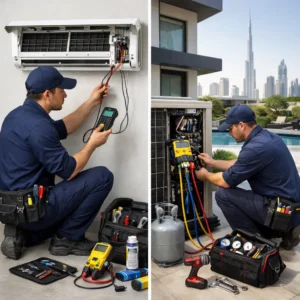
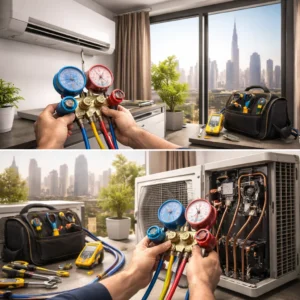
Professional services focus on deeper cleaning, mechanical checks, and system health. For example, structured programs like AC maintenance and AMC services are designed to prevent breakdowns and maintain long-term performance beyond what a kit can offer.
Conclusion
An ac maintenance kit is a useful preventive tool when used correctly. It helps keep filters clean, surfaces fresh, and airflow stable, while giving users early insight into potential issues. Understanding what each component does—and where its limits are—protects you from accidental damage and wasted effort.
The real value of a maintenance kit lies in awareness, not repair. When combined with timely professional service, it supports comfort, efficiency, and healthier indoor air. Knowing when to use a kit and when to stop is what keeps AC maintenance practical, safe, and cost-effective over the long term.