




AC maintenance and repair is something most homeowners and business owners only think about when comfort drops, energy bills rise, or the system suddenly fails. Yet behind every AC breakdown is usually a long story of small warning signs, gradual performance loss, and missed maintenance opportunities. Whether you manage a home, office, shop, or rental property, understanding how AC maintenance and repair actually work helps you make better decisions, avoid unnecessary costs, and keep indoor air healthy and reliable year-round.
Table of Contents
ToggleWhat Homeowners and Businesses Really Want to Know About AC Maintenance and Repair
When people look for information about AC maintenance and repair, they are rarely looking for technical jargon. What they actually want is clarity. They want to know why their AC is not performing as expected, whether the problem is serious, how much attention it needs, and what actions make sense right now versus later.
For homeowners, the main concerns usually include comfort, health, noise, and electricity cost. For businesses, the focus often shifts to reliability, uptime, customer comfort, and avoiding operational disruption. Despite these different priorities, the core questions are surprisingly similar.
Understanding these shared concerns helps explain why maintenance and repair should be seen as a system-wide responsibility rather than a one-time fix.
How AC Maintenance and Repair Work Together
AC maintenance and repair are closely connected, but they serve different purposes. Maintenance is preventive. Repair is corrective. One aims to reduce risk, while the other addresses an existing problem.
Maintenance includes routine checks, cleaning, adjustments, and performance monitoring. These actions keep the system operating within safe and efficient limits. Repair, on the other hand, becomes necessary when a component fails, airflow is disrupted, or performance drops beyond acceptable levels.
When maintenance is consistent, repair events tend to be smaller, less expensive, and less disruptive. When maintenance is neglected, repairs become more frequent, more complex, and more costly.
Early Warning Signs That Maintenance Is No Longer Enough
Many AC systems continue running even when something is wrong. This creates a false sense of security. The system is technically “on,” but it is no longer healthy.
Some common signs that maintenance alone may no longer be sufficient include:
- Cooling that feels weaker or uneven across rooms
- AC running longer than usual to reach the same temperature
- Unusual sounds such as rattling, buzzing, or humming
- Water leakage or excess moisture around indoor units
- Unpleasant odors when the system starts
At this stage, a combination of maintenance and targeted repair is often required. Ignoring these signs usually leads to deeper system damage and higher energy consumption.
Why Energy Bills Often Reveal AC Problems First
One of the most overlooked indicators of AC health is your electricity bill. A sudden or gradual increase in energy usage often points to underlying inefficiencies.
Dirty filters, clogged coils, restricted airflow, and failing components force the system to work harder. The AC compensates by running longer cycles, which increases power consumption without improving comfort.
Regular maintenance helps identify these inefficiencies early. Repair becomes necessary when components can no longer operate within normal parameters.
Indoor Air Quality and Its Link to AC Maintenance and Repair
AC systems do more than cool air. They circulate and filter the air you breathe. When maintenance is poor, dust, moisture, and microbial growth can accumulate inside the system.
This can lead to:
- Persistent musty or dusty smells
- Increased allergy or respiratory irritation
- Faster dust buildup inside rooms
- Discomfort even at correct temperatures
Maintenance tasks such as filter cleaning, coil cleaning, and drain inspection directly affect air quality. Repair becomes necessary when contamination has progressed to the point where components or airflow paths are compromised.
For families, offices, retail spaces, and healthcare-related environments, air quality is often just as important as temperature control.
The Difference Between Minor Repairs and System-Level Repairs
Not all repairs carry the same weight. Some are routine and expected over the system’s lifespan. Others indicate deeper structural or mechanical issues.
Minor repairs often include:
- Thermostat calibration or replacement
- Drain line cleaning
- Fan adjustments
- Sensor replacement
System-level repairs may involve:
- Refrigerant leak detection and sealing
- Motor or control board replacement
- Airflow rebalancing
- Major electrical component repair
Understanding this distinction helps property owners evaluate urgency, cost expectations, and whether repair or replacement makes more sense.
How Refrigerant Issues Fit Into Maintenance and Repair
Refrigerant plays a critical role in cooling performance, but it is also one of the most misunderstood aspects of AC repair.
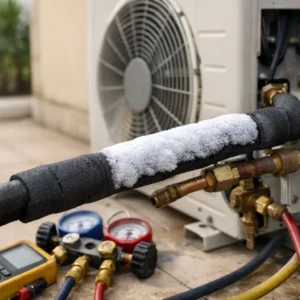
Refrigerant does not get “used up” during normal operation. If levels are low, there is usually a leak or handling issue. Maintenance checks help detect early pressure irregularities, while repair addresses the leak itself.
Repeated refrigerant refills without leak repair are a clear sign that repair is incomplete. Over time, this practice increases cost and risks damaging the compressor.
Why Businesses Need a Different Maintenance and Repair Mindset
For businesses, AC maintenance and repair are not just technical concerns. They directly affect operations, customer experience, and staff productivity.
An unexpected AC failure can lead to:
- Customer discomfort and complaints
- Reduced employee performance
- Temporary closure or operational disruption
- Damage to temperature-sensitive equipment or products
This is why businesses often benefit from structured maintenance schedules and faster repair response plans. Preventive maintenance reduces downtime risk, while clear repair protocols minimize disruption when issues arise.
Common Mistakes Property Owners Make With AC Maintenance and Repair
Many AC problems escalate because of simple decision-making mistakes rather than technical complexity.
Common mistakes include:
- Delaying maintenance because the AC still “works”
- Ignoring small changes in noise or airflow
- Focusing only on quick fixes instead of root causes
- Choosing repair based solely on lowest price
- Overusing DIY solutions beyond safe limits
These habits often lead to repeated repairs, rising costs, and shorter system lifespan.
DIY Maintenance: What Is Safe and What Is Not
Some basic maintenance actions are safe and helpful for homeowners and small businesses. These include cleaning or replacing filters, keeping vents unobstructed, and ensuring outdoor units are clear of debris.
However, deeper maintenance and repair tasks require professional tools and training. Refrigerant handling, electrical work, internal component cleaning, and airflow adjustments should not be attempted without expertise.
DIY efforts should focus on observation and basic care, not on solving complex mechanical or electrical problems.
How Preventive Maintenance Reduces Repair Frequency
Preventive maintenance works by catching issues while they are still manageable. A loose connection, minor blockage, or early wear pattern is easier to fix than a failed component.
Regular maintenance reduces:
- Emergency repair calls
- Unexpected downtime
- Energy waste
- Stress during peak usage periods
For both homeowners and businesses, this translates into more predictable costs and fewer disruptions.
When Repair No Longer Makes Sense
There comes a point where repeated repair becomes inefficient. This usually happens when a system is outdated, severely worn, or no longer compatible with current usage demands.
Signs that repair may no longer be the best option include:
- Frequent breakdowns within short intervals
- Rising repair costs that approach replacement value
- Persistent inefficiency despite multiple fixes
- Inability to meet comfort or air quality needs
At this stage, a professional assessment helps determine whether upgrading or replacing parts of the system offers better long-term value.
How Proper AC Maintenance and Repair Protect Long-Term Value
AC systems are significant investments. Their value is not only measured by how long they last, but by how consistently they perform.
Well-maintained systems:
- Operate more efficiently
- Maintain stable indoor conditions
- Require fewer major repairs
- Have longer usable lifespans
Repair done at the right time prevents small issues from damaging major components, protecting both comfort and financial investment.
When AC Issues Should Be Addressed Properly
AC problems and air quality concerns rarely resolve on their own. Left unattended, they can lead to unhealthy indoor conditions, higher energy costs, and permanent system damage. Professional AC maintenance and repair help address these risks through inspection, cleaning, adjustment, and targeted repair. Acting early is a preventive decision that saves time, money, and discomfort. If you need guidance on what your system needs right now, reaching out for an informed assessment is often the most practical first step.
Conclusion
AC maintenance and repair are not separate responsibilities. They are parts of a continuous process that keeps indoor environments comfortable, healthy, and efficient. Homeowners benefit from lower bills, better air quality, and fewer surprises. Businesses benefit from reliability, stability, and uninterrupted operations.
Understanding how maintenance prevents problems and how repair restores performance helps you make confident decisions instead of reactive ones. By paying attention to early signs, investing in preventive care, and addressing issues before they escalate, you protect both your AC system and the people who rely on it every day.