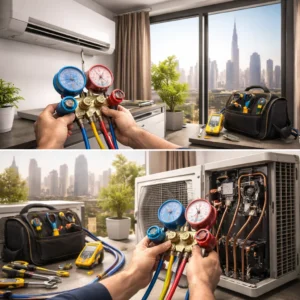





An ac hot and cold 2 ton system is often chosen by homeowners and business owners who want year-round comfort from a single unit. It promises cooling during the intense summer heat and heating during cooler months, all with one installation. However, before deciding whether this type of AC is right for you, it is important to clearly understand its advantages, limitations, costs, and how it compares to other AC options. This article explores the positive aspects, negative considerations, cost expectations, and practical comparisons so you can make an informed decision based on real usage, not assumptions.
Table of Contents
ToggleWhat Is an AC Hot and Cold 2 Ton System
An ac hot and cold 2 ton unit is a split or central AC system designed to both cool and heat indoor spaces. The “2 ton” capacity generally refers to the system’s ability to handle medium-to-large spaces, typically ranging from approximately 1,500 to 2,500 square feet depending on insulation, ceiling height, and layout.
Unlike cooling-only AC units, hot and cold systems include a heat pump function. This allows the system to reverse its operation during cooler weather, providing warm air instead of cold. For regions with mild winters or fluctuating temperatures, this dual-purpose capability can be very appealing.
In practice, this means you rely on one system for most indoor climate needs rather than separate cooling and heating appliances.
Positive Aspects of an AC Hot and Cold 2 Ton System
The popularity of ac hot and cold 2 ton systems is largely driven by their versatility. Below are the key benefits that attract many users.
Year-Round Comfort with One System
The biggest advantage is convenience. You get cooling and heating from the same unit, controlled through one thermostat. This simplifies daily use and reduces the need to manage multiple systems.
For households or offices that experience both hot and cool seasons, this means consistent indoor comfort without switching equipment or relying on temporary heaters.
Space-Saving Design
Because heating and cooling are combined into one system, there is no need to install separate heating devices. This saves wall space, storage space, and installation complexity.
This is especially useful in apartments, villas, or offices where space planning is important.
Energy Efficiency in Moderate Climates
In regions where winters are not extremely cold, a heat pump-based hot and cold AC can be more energy-efficient than traditional electric heaters. Instead of generating heat, the system transfers heat from outside air into the indoor space.
This process generally consumes less electricity compared to standalone heaters, especially during mild winter conditions.
Simplified Maintenance Planning
Maintaining one combined system can be simpler than managing separate cooling and heating equipment. Filters, coils, and general inspections are done on a single system, making routine care more straightforward.
When maintained properly, a hot and cold AC can deliver consistent performance across seasons.
Modern Control and Smart Features
Many newer ac hot and cold 2 ton models come with advanced controls, such as programmable thermostats, inverter technology, and smart connectivity. These features allow better temperature control, reduced energy waste, and improved comfort.
Negative Aspects and Limitations to Consider
While the advantages are attractive, an ac hot and cold 2 ton system is not ideal for every situation. Understanding the downsides helps prevent disappointment after installation.
Higher Initial Cost Compared to Cooling-Only AC
Hot and cold AC units generally cost more upfront than cooling-only systems. This is because of the additional components required for heating functionality.
For users who rarely need heating, this extra cost may not provide enough value to justify the investment.
Heating Performance Depends on Outdoor Temperature
Heat pump systems become less efficient as outdoor temperatures drop significantly. In very cold climates, heating performance may decrease, and the system may rely more heavily on electrical backup heating.
For regions with harsh winters, a dedicated heating system may still be necessary.
More Complex Repairs
Because the system handles both heating and cooling, internal components are more complex. When a fault occurs, diagnosis and repair may take longer compared to simpler cooling-only units.
This makes professional inspection and proper servicing more important.
Not Always the Most Efficient Choice for All Users
If your location experiences long periods of extreme heat and very short or mild cold seasons, the heating feature may remain unused most of the year. In such cases, a cooling-only AC paired with a simple heater might be more cost-effective.
Cost Breakdown of an AC Hot and Cold 2 Ton System
Cost is one of the most common concerns when considering an ac hot and cold 2 ton unit. The total expense usually includes purchase, installation, operation, and ongoing maintenance.
Purchase Cost
The price of a 2 ton hot and cold AC unit varies based on brand, technology (such as inverter vs non-inverter), and system type (split, ducted, or central). In general, hot and cold systems are priced higher than cooling-only models of the same capacity.
Additional features like smart controls, higher energy efficiency ratings, and advanced filtration can further increase the cost.
Installation Cost
Installation costs depend on several factors:
- Type of system (split, ducted, or central)
- Existing ductwork or need for new ducts
- Electrical capacity and modifications
- Layout and accessibility of the space
Proper installation is critical. Incorrect installation can reduce efficiency, increase energy consumption, and shorten system lifespan.
Operating Cost
Operating costs depend on usage patterns, insulation quality, and local electricity rates. Cooling during summer typically consumes more energy than heating during mild winters.
Inverter-based systems can help reduce operating costs by adjusting output based on demand rather than running at full capacity constantly.
Maintenance and Repair Cost
Regular maintenance includes filter cleaning, coil inspection, and performance checks. Because the system operates year-round, consistent servicing is essential to prevent wear and tear.
Repair costs may be higher if both heating and cooling components are affected, reinforcing the importance of preventive care.
Comparison: AC Hot and Cold 2 Ton vs Cooling-Only AC
Understanding how an ac hot and cold 2 ton compares to a standard cooling-only AC helps clarify which option fits your needs.
| Feature | Hot and Cold 2 Ton AC | Cooling-Only 2 Ton AC |
|---|---|---|
| Cooling Function | Yes | Yes |
| Heating Function | Yes | No |
| Initial Cost | Higher | Lower |
| Energy Use in Winter | Moderate (efficient in mild cold) | Requires separate heater |
| System Complexity | Higher | Lower |
This comparison highlights that the right choice depends on climate, usage, and budget rather than features alone.
Comparison: AC Hot and Cold 2 Ton vs Separate AC and Heater
Some users consider using a standard AC for cooling and a separate heater for winter. This setup has its own pros and cons.
Separate systems can be cheaper upfront if the heater is simple, but they often result in higher overall energy consumption and more equipment to maintain.
A combined hot and cold system offers unified control and potentially better efficiency, especially in moderate climates.
Who Should Consider an AC Hot and Cold 2 Ton System
An ac hot and cold 2 ton system is generally suitable for:
- Homes or offices in regions with both warm and cool seasons
- Medium to large spaces needing balanced climate control
- Users who prefer one integrated solution
- Properties where space-saving matters
It may be less suitable for locations with extreme winters or for users who rarely need heating.
Common Mistakes When Choosing a Hot and Cold AC
Many issues arise not from the system itself but from poor decision-making during selection.
- Choosing capacity based on guesswork instead of load calculation
- Ignoring insulation and airflow conditions
- Focusing only on purchase price, not long-term cost
- Skipping professional installation
A 2 ton system that is oversized or undersized can lead to discomfort, inefficiency, and premature wear.
How to Maximize Performance and Lifespan
To get the best results from an ac hot and cold 2 ton system, consider these practices:
- Clean or replace filters regularly
- Schedule periodic professional inspections
- Ensure outdoor units remain unobstructed
- Use programmable settings wisely
Preventive care helps maintain efficiency and reduces the risk of major breakdowns.
When Professional Help Becomes Important
Issues such as inconsistent temperature, unusual noises, frequent cycling, or rising energy bills often indicate underlying problems. Addressing these early through professional inspection can prevent costly damage.
Ignoring early signs may lead to permanent component failure, reduced indoor air quality, and higher operating costs.
Conclusion
An ac hot and cold 2 ton system offers a versatile and convenient solution for year-round comfort, especially in regions with moderate seasonal changes. Its ability to both cool and heat from a single unit simplifies climate control and can improve energy efficiency when used appropriately.
However, this type of system also comes with higher upfront cost, greater complexity, and performance limitations in very cold conditions. The right choice depends on climate, usage patterns, space size, and long-term expectations.
By understanding the positives, negatives, costs, and comparisons outlined above, you can make a balanced decision that supports comfort, efficiency, and reliability over time rather than focusing only on short-term savings.