




Experiencing an ac duct water leak is one of those problems that instantly creates stress. Water dripping from vents, damp ceiling spots, or moisture around the indoor unit can damage property, affect indoor air quality, and signal deeper AC system issues. In hot and humid environments like the UAE, this problem is especially common because cooling systems constantly remove moisture from the air. The key challenge for most people is knowing what to do immediately, how to understand what the leak means, and when a simple check is enough versus when professional repair is necessary. This guide is designed to walk you through those decisions step by step, with clear logic and practical explanations.
Table of Contents
ToggleImmediate Triage Actions When You Notice an AC Duct Water Leak
The moment you see water where it should not be, your first goal is damage control. You do not need to diagnose the full problem yet. You only need to reduce risk and prevent the situation from getting worse.
Step one is to power down the AC system. Turn off the unit using the thermostat, and if possible, switch off the AC from the breaker. Continuing to run the system while water is leaking can worsen moisture spread, cause ceiling damage, and create electrical hazards.
Step two is basic cleanup. Use towels, buckets, or absorbent materials to collect dripping water and dry visible moisture. This helps prevent mold growth and limits damage to ceilings, walls, or floors.
Step three is temporary containment. If water is dripping from a vent or duct, placing a container underneath can protect surfaces while you assess the situation. This is not a fix, but it buys time and reduces immediate damage.
These steps are safe and recommended for any ac duct water leak. Once the situation is stable, you can move on to understanding what the leak location is telling you.
Reading the Leak Location: What You See and What It Usually Means
Where the water appears is one of the most important clues. You do not need tools to do this part—just careful observation.
If You See Water Dripping From an AC Vent
Water dripping directly from a supply vent or return grille often points to condensation issues. This usually happens when warm, humid air meets a cold duct surface.
In practical terms, this often means:
- Duct insulation is damaged, missing, or compressed
- Humidity levels are high relative to duct surface temperature
- Airflow imbalance causing ducts to run colder than intended
This type of ac duct water leak is commonly described as “duct sweating.” It is not a plumbing leak, but a condensation problem that still requires attention.
If You See Water Pooling Near the Indoor Unit
Pooling water near the indoor unit or air handler often indicates a drainage problem. During normal operation, your AC removes moisture from the air and sends it through a condensate drain line.
When you see pooling, it often means:
- The condensate drain line is clogged with dust, algae, or debris
- The drain pan is cracked or deteriorated
- The drain line slope is incorrect, preventing proper flow
This is one of the most common causes of water-related AC issues and is frequently addressed during professional AC repair visits.
If You See Ice on Ducts or Refrigerant Lines
Ice formation is a critical visual signal. If you see frost or ice on ducts, coils, or refrigerant lines, the water leak you notice may actually be melted ice.
This often points to:
- Restricted airflow due to dirty filters or coils
- Low refrigerant levels
- Mechanical or control issues affecting system balance
When ice melts, it can overwhelm the drainage system and cause visible leaks. This scenario requires caution, because refrigerant and electrical components may be involved.
The Most Common Root Causes Behind AC Duct Water Leaks
Understanding root causes helps you avoid quick fixes that do not last. Below are the most frequent underlying reasons behind an ac duct water leak.
Clogged Condensate Drain Lines
Over time, drain lines collect dust, microbial growth, and debris. When blocked, water has nowhere to go and backs up into the system.
This is especially common in systems that have not received regular maintenance. Routine flushing and inspection are part of professional care and are often addressed during AC maintenance and AMC services.
Duct Sweating Due to Insulation or Dew Point Issues
Ducts are designed to stay insulated so their cold surfaces do not interact directly with warm air. When insulation degrades or humidity rises, condensation forms.
This problem often appears in:
- Ceiling voids with poor airflow
- Older duct insulation materials
- Areas with high indoor humidity
Fixing this requires more than wiping water. It usually involves insulation repair or airflow adjustment.
Cracked or Rusted Drain Pans
The drain pan sits beneath the evaporator coil and collects condensed water. Over time, it can crack, rust, or shift out of position.
When this happens, water escapes even if the drain line itself is clear. This is often discovered during detailed inspections in professional repair visits.
Safe DIY Checks Versus Professional Red Flags
One of the biggest concerns for readers dealing with an ac duct water leak is knowing what they can safely check themselves and when to stop.
Safe DIY Checks You Can Perform
- Turn off the AC and allow ice to melt fully
- Check and replace a visibly dirty air filter
- Inspect visible drain line openings for obvious blockage
- Dry surrounding areas to prevent mold growth
These steps are low-risk and help stabilize the situation.
Professional Red Flags You Should Not Ignore
You should stop DIY attempts and seek professional help if:
- Water leakage returns after basic cleanup
- You see ice repeatedly forming on ducts or coils
- Electrical components are near the leak
- The system stops cooling effectively
These signs indicate deeper issues that may involve refrigerant, electrical safety, or mechanical repairs. In such cases, professional AC repair is the safer and more cost-effective path.
Preventive Maintenance to Avoid Future AC Duct Water Leaks
Prevention is often simpler and cheaper than dealing with water damage. Addressing the following areas can significantly reduce future risk.
Secondary Drain Pans With Shutoff Protection
Secondary drain pans provide backup protection. When paired with float switches, they can automatically shut down the AC if water levels rise, preventing ceiling damage.
Duct Insulation Repair and Sealing
Ensuring ducts are properly insulated and sealed reduces condensation risk. This is especially important in high-humidity environments.
Routine Drain-Line Flushing
Regular drain-line flushing prevents buildup that leads to clogs. This is a standard part of structured maintenance programs.
Preventive actions like these are typically addressed during AC maintenance and AMC services, which aim to reduce emergency situations.
Cost Awareness: Minor Fixes Versus Professional Repair Needs
While exact pricing depends on inspection, it helps to understand cost patterns conceptually.
Minor issues like a clogged drain line or dirty filter usually fall into lower repair categories. More complex problems involving insulation repair, coil issues, or recurring leaks require deeper professional intervention.
The key cost risk is not the first repair, but ignoring the issue. An untreated ac duct water leak can lead to:
- Ceiling and wall damage
- Mold growth affecting indoor air quality
- Electrical component failure
- Higher long-term repair costs
When evaluating next steps, it is always better to address the cause early rather than wait for visible damage to spread.
Using Visual Aids to Speed Up Understanding
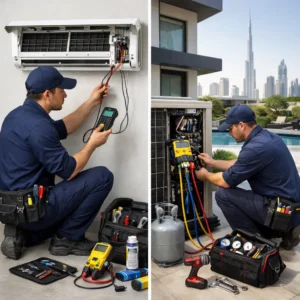
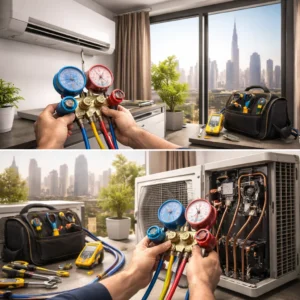
Many people find it easier to understand AC problems visually. Annotated photos showing vent drips, pooled water near indoor units, or iced ducts can help you quickly match what you see at home with likely causes.
While visuals cannot replace inspection, they help you communicate the issue clearly when discussing it with a professional.
When to Involve a Professional AC Specialist
If your ac duct water leak persists after basic checks, or if it involves ice formation, electrical proximity, or repeated recurrence, professional handling is strongly recommended.
Bio On Air addresses water-leak-related AC issues through systematic inspection, safe handling of components, and clear explanation of findings. Acting early helps protect indoor air quality, prevent structural damage, and avoid escalating repair needs. You can use the WhatsApp or Call button at the top right of this page to discuss what you are seeing and understand the safest next step.
Conclusion
An ac duct water leak is not just a mess to clean up. It is a signal that something in your AC system is out of balance—whether drainage, insulation, airflow, or internal components. Immediate triage helps limit damage, but understanding leak location and root causes is what prevents recurrence.
By knowing what you can safely check, recognizing professional red flags, and investing in preventive maintenance, you protect not only your property but also your indoor air quality and long-term system health. In climates where AC runs daily, addressing water leaks properly is one of the most effective ways to maintain comfort, efficiency, and peace of mind.