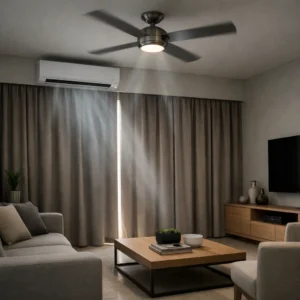





People usually search for ac duct installation when something feels off in their space. One room is too cold while another stays warm, energy bills keep rising without any change in usage, dust appears quickly after cleaning, or the AC sounds louder than it should. In other cases, the search comes from a different situation entirely—new construction, renovation, or upgrading an old cooling system that no longer performs well. Whatever the trigger, the core concern is the same: comfort is inconsistent, efficiency is questionable, and there is uncertainty about whether the current duct system is helping or hurting the AC.
AC duct installation plays a much bigger role than many people realize. It directly affects how air moves, how evenly temperatures are distributed, how hard the AC has to work, and how clean the indoor air stays over time. This guide explains why proper duct installation matters, what a duct system actually consists of, how professional installation is approached, what affects cost, which mistakes cause long-term problems, and how you can evaluate whether a contractor has done the job correctly.
Table of Contents
ToggleWhy People Search for AC Duct Installation
Unlike simple maintenance or repair, ac duct installation is usually connected to deeper comfort or efficiency problems. These issues often develop slowly, which is why many homeowners and property managers do not immediately suspect the duct system.
Some of the most common reasons people start researching duct installation include:
- Uneven room temperatures: one bedroom feels cold while another stays warm, even with the same thermostat setting.
- Rising energy bills: the AC runs longer and harder to achieve the same comfort level.
- Visible dust or poor air quality: dust settles quickly, or there is a constant “stale” feeling in the air.
- Unusual noise: whistling, rattling, or booming sounds when the AC starts or stops.
- New construction or renovation: a new layout requires a duct system designed for the space, not adapted from an old one.
In all these cases, the duct system is either incorrectly designed, poorly installed, or no longer suitable for the current space. Proper installation connects comfort, efficiency, and long-term savings by ensuring air moves where it should, in the right amount, with minimal loss.
How Proper AC Duct Installation Improves Comfort and Efficiency
The duct system is the delivery network of your AC. Even the best AC unit cannot perform well if air cannot move efficiently to and from rooms.
When duct installation is done correctly:
- Airflow is balanced, so each room receives the right amount of cooled air.
- The AC reaches the target temperature faster and cycles more efficiently.
- Strain on the AC unit is reduced, extending its lifespan.
- Energy loss through leaks or poor insulation is minimized.
When installation is done poorly, the opposite happens. The AC compensates for airflow problems by running longer, which increases electricity consumption and accelerates wear on components. Over time, this often leads to frequent repairs or early replacement.
Understanding the Basic Anatomy of an AC Duct System
Before discussing installation, it helps to understand what you are actually paying for. A duct system is not just a set of metal or flexible tubes. It is a carefully designed airflow network.
Supply Ducts
Supply ducts deliver cooled air from the AC unit to each room. Their size, length, and layout determine how much air reaches a space and how fast.
Return Ducts
Return ducts pull air back from rooms to the AC unit for re-cooling. Without proper return paths, pressure imbalance occurs, leading to noise, weak airflow, and poor comfort.
Plenums
Plenums act as distribution boxes. The supply plenum sends air from the unit into multiple ducts, while the return plenum collects air back. Poor plenum design often causes uneven airflow.
Duct Materials
Common materials include galvanized steel, aluminum, and flexible ducts. Each has different durability, airflow characteristics, and insulation needs. Material choice affects noise levels and long-term performance.
Dampers
Dampers regulate airflow to specific zones or rooms. They are essential for balancing and zoning, especially in larger homes or commercial spaces.
Airflow Direction
Air must move smoothly from supply to return. Sharp turns, dead ends, or incorrect routing disrupt this flow and reduce efficiency.
Understanding these components helps you evaluate whether an installation proposal makes sense or sounds overly simplified.
The Logical AC Duct Installation Process
Professional ac duct installation follows a logical sequence. Skipping steps or rushing the process usually leads to long-term issues.
Design and Sizing Calculations
Installation starts with design. This includes calculating airflow requirements based on room size, layout, insulation level, and usage. Duct size must match the air volume needed, not just fit the ceiling space.
Layout Planning
The duct layout determines how air travels. Good planning minimizes sharp bends, keeps duct lengths reasonable, and ensures both supply and return paths are balanced.
Material Selection
Material choice depends on budget, space constraints, noise sensitivity, and durability needs. The goal is to match material performance to the building’s use, not just reduce upfront cost.
Sealing Methods
Sealing is critical. Poorly sealed joints allow cooled air to escape into ceilings or walls. Professional installation uses proper sealing compounds or tapes designed for HVAC systems.
Insulation Requirements
Duct insulation prevents energy loss and condensation. In hot climates, uninsulated ducts can significantly reduce cooling efficiency and create moisture problems.
Airflow Balancing
After installation, airflow must be balanced. Dampers are adjusted so each room receives appropriate airflow. This step is often skipped in low-quality installations, leading to uneven temperatures.
Throughout this process, professional installers focus on safety and performance. This is not an area where unsafe DIY work is recommended, as incorrect installation can damage the AC system or compromise indoor air quality.
How AC Duct Installation Affects Indoor Air Quality
Ducts do more than move air—they influence what you breathe. Poor installation can allow dust, insulation fibers, or contaminants to enter the airflow.
Well-installed ducts:
- Reduce dust infiltration from ceilings or wall cavities.
- Maintain stable airflow, reducing moisture buildup.
- Support cleaner indoor air over time.
When duct systems are old, damaged, or improperly installed, they may require professional cleaning or redesign. In some cases, people discover duct issues while exploring AC duct cleaning, which then leads to the need for proper reinstallation or upgrades.
Cost Transparency: What Really Affects AC Duct Installation Pricing
One of the biggest questions around ac duct installation is cost. Instead of focusing on exact numbers, it is more useful to understand what drives pricing.
Key cost factors include:
- Material choice: rigid metal ducts usually cost more than flexible ducts but offer better airflow and durability.
- Layout complexity: more rooms, longer runs, or zoning requirements increase labor and material needs.
- Accessibility: tight ceiling spaces or occupied buildings require more careful work.
- Sealing and insulation scope: higher-quality sealing and insulation add cost but improve long-term efficiency.
- Labor intensity: retrofits and renovations are usually more complex than new construction.
Because these factors vary widely, professional companies typically explain pricing after evaluating the space rather than quoting blindly. This approach protects both the customer and the installer.
Common AC Duct Installation Mistakes and Their Consequences
Many long-term comfort and efficiency problems trace back to installation mistakes. Understanding these helps you avoid repeating them.
Undersized Ducts
Ducts that are too small restrict airflow, causing noise, weak cooling, and higher energy use.
Sharp Bends and Poor Routing
Air does not like sudden turns. Sharp bends increase resistance and reduce airflow efficiency.
Weak or Incomplete Sealing
Leaks waste cooled air and allow dust to enter the system, increasing both energy cost and cleaning needs.
Poor Support and Sagging
Sagging ducts change airflow characteristics and collect dust, reducing performance over time.
Ignoring Return Air Paths
Without adequate return ducts, pressure imbalance occurs, leading to noise and uneven temperatures.
These mistakes often remain hidden until comfort issues become severe or energy bills spike.
AC Duct Installation in New Construction vs Existing Buildings
New construction offers a clean slate for duct design, while existing buildings require adaptation.
In new builds, ducts can be sized and routed optimally. In existing spaces, installers must work within constraints such as ceiling height and structural elements.
In both cases, the goal remains the same: balanced airflow, efficient delivery, and long-term reliability. Poor compromises during retrofits often lead to ongoing issues.
Project-Check Mindset: How to Evaluate Contractor Quality
Choosing a contractor for ac duct installation should feel structured, not rushed. A practical project-check mindset helps you stay in control.
- Ask how duct sizes are calculated, not just what material will be used.
- Confirm that both supply and return paths are included.
- Ask how sealing and insulation will be handled.
- Check whether airflow balancing is part of the process.
- Request a clear explanation of what is included before work starts.
After installation, you should notice smoother airflow, more consistent temperatures, reduced noise, and improved comfort. These are signs that the job was done correctly.
When Professional Support Matters
AC duct installation is not just a construction task. It directly affects comfort, efficiency, and indoor air quality. Bio On Air supports duct installation and related services by focusing on proper design, careful installation, and clear communication. Addressing duct issues early helps prevent higher energy bills, recurring discomfort, and unnecessary strain on your AC system. If you want to discuss whether your space needs duct installation or adjustment, you can use the WhatsApp or Call button at the top right of this page to connect with our team for an initial conversation.
Conclusion
AC duct installation is one of the most important yet overlooked aspects of cooling performance. Uneven temperatures, high energy bills, dust, and noise are often symptoms of a duct system that was never designed or installed correctly. By understanding the basic anatomy of ducts, the professional installation process, and common mistakes, you can make informed decisions instead of relying on guesswork.
A well-installed duct system supports comfort, efficiency, cleaner air, and long-term savings. Whether for new construction or upgrading an existing space, taking the time to evaluate contractor quality and installation logic pays off for years to come.