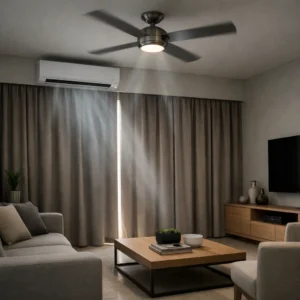





AC duct cover is one of those small home details that people usually notice only when something feels off—airflow is uncomfortable, dust keeps appearing, certain rooms are unused but still receiving cold air, or the vent simply looks out of place in an otherwise well-designed space. In hot climates like the UAE, AC duct covers are not only about appearance; they directly affect comfort, energy efficiency, cleanliness, and even system health. This guide is written to help you choose the right AC duct cover based on what you actually need, not just what looks good on a shelf.
Table of Contents
ToggleUnderstanding Why AC Duct Cover Choice Matters
Many homeowners and tenants assume an AC duct cover is just a decorative grille. In reality, it acts as the final interface between your HVAC system and your living space. A poor choice can restrict airflow, increase pressure inside ducts, waste energy, or trap dust and allergens. A good choice, on the other hand, can improve comfort, reduce drafts, help manage cooling in unused rooms, and support better indoor air quality.
The right approach starts with understanding your intent. Most people looking for an AC duct cover fall into one or more of these categories: improving aesthetics, saving energy by blocking airflow, keeping dust and allergens under control, or solving a specific comfort issue like drafts or noise. Each intent leads to a different type of solution.
Aesthetic Upgrades Using AC Duct Cover Designs
For many users, the first motivation is visual. Standard AC vents are often plain, yellowed with age, or clash with interior design. Decorative AC duct covers offer a simple way to upgrade the look of a room without touching the HVAC system itself.
Decorative styles typically focus on:
- Clean minimalist grilles for modern interiors
- Patterned or laser-cut designs for feature ceilings or walls
- Wood-look covers for warm, classic, or rustic spaces
- Flush or frameless styles that blend into ceilings
When choosing a decorative AC duct cover, appearance should never come at the expense of airflow. A visually appealing cover that reduces the open area too much can cause uneven cooling or strain the system. Always balance design with function.
Energy-Saving Solutions for Blocking Airflow in Unused Rooms
Another common reason people search for an AC duct cover is energy control. In many homes, not all rooms are used every day. Cooling unused rooms wastes electricity and reduces efficiency in spaces that actually need cooling.
Energy-saving AC duct covers or vent blockers are designed to:
- Reduce or stop airflow to unused rooms
- Redirect cooling to occupied areas
- Lower overall cooling demand
However, blocking airflow must be done carefully. Completely sealing multiple vents can increase pressure inside the duct system. This may lead to noise, leaks, or reduced efficiency in other rooms. The safest approach is partial restriction or adjustable covers that allow you to fine-tune airflow instead of cutting it off entirely.
For homes with central AC systems, it is usually better to block one or two rooms selectively rather than closing many vents at once.
Cleanliness-Focused AC Duct Cover Options With Filters
Dust and allergens are a major concern in indoor environments, especially for families with children, allergy sufferers, or anyone spending long hours indoors. AC duct covers with built-in filters or filter-compatible designs are meant to address this issue.
These options help by:
- Trapping dust before it enters the room
- Reducing visible dust accumulation on furniture
- Limiting allergen circulation
It is important to understand that filter-equipped duct covers require maintenance. A clogged filter restricts airflow and can cause the AC to work harder. If you choose this type, make sure filters are easy to remove, clean, or replace.
For users focused on cleanliness, duct covers with fine mesh or replaceable filter pads are often more practical than permanent sealed designs.
Practical Fit Guidance for AC Duct Cover Installation
One of the most common mistakes when buying an AC duct cover is measuring the wrong part. Many people measure the visible faceplate instead of the actual duct opening.
Correct measurement should focus on:
- The width and height of the duct opening behind the cover
- The depth of the duct or boot, if relevant
- The mounting method (screw holes, clips, or magnetic fit)
The faceplate is often larger than the opening to hide rough edges. Buying based on faceplate size can result in a cover that does not align properly with the duct.
In residential settings, common duct opening sizes often fall within predictable ranges, but they still vary by building type and room function. Always measure directly before buying, even if the existing cover looks standard.
Common Residential Size Ranges and Compatibility
While exact dimensions vary, most residential AC duct covers fall into a few general size categories. These ranges help narrow choices but should never replace actual measurement.
- Small room vents often have narrower rectangular openings
- Main living areas usually use wider rectangular or square openings
- Ceiling diffusers may have circular or multi-directional designs
Compatibility is not only about size but also airflow direction. Some covers are designed for directional throw, while others diffuse air evenly. Matching the cover type to the original airflow intent helps maintain comfort.
Material Considerations for AC Duct Covers
The material of an AC duct cover affects durability, appearance, moisture resistance, and airflow performance. Each common material has strengths and limitations.
Metal AC Duct Covers
Metal covers are widely used due to their durability and clean appearance. They resist warping and handle airflow well.
- Strong and long-lasting
- Good airflow performance
- Resistant to heat
- Can rust if coating is poor and humidity is high
Metal is often the safest functional choice, especially for high-use areas.
Plastic AC Duct Covers
Plastic covers are lightweight and affordable. They are common in rental properties.
- Resistant to moisture
- Easy to install
- Lower cost
- May discolor or warp over time
Plastic works well for temporary or low-impact use but may not suit long-term aesthetic upgrades.
Wood and Wood-Look AC Duct Covers
Wood options are chosen mainly for appearance. They can blend beautifully with interiors but require careful placement.
- Visually appealing
- Custom design potential
- Sensitive to moisture and humidity
- May restrict airflow if design is too dense
Wood covers are best for decorative upgrades where airflow demand is moderate and humidity is controlled.
Airflow Concerns and Free-Area Concepts
One of the most overlooked aspects of AC duct cover selection is free area. Free area refers to how much open space the cover allows for air to pass through.
A cover with low free area can:
- Increase pressure inside ducts
- Create whistling or noise
- Reduce cooling effectiveness
- Strain the AC system
Warning signs of restricted airflow include uneven cooling, increased noise, or a feeling that the AC is running longer than usual. If these appear after changing a duct cover, the cover may be too restrictive.
When in doubt, choose designs that prioritize airflow even if the pattern is simpler.
DIY Versus Buy Decisions for AC Duct Covers
Some users prefer DIY solutions, especially renters or those seeking temporary changes. Others prefer ready-made products for reliability.
DIY and Temporary Solutions
DIY approaches may include magnetic covers, foam inserts, or removable panels.
- Good for renters
- Easy to remove
- Low cost
- Higher risk of airflow issues if poorly chosen
DIY solutions should always be tested gradually. Avoid sealing vents completely without monitoring system behavior.
Buying Ready-Made or Refurbished Covers
Buying purpose-built AC duct covers offers more predictable performance. Refurbishing existing covers—by repainting or cleaning—can also be effective.
- Designed airflow patterns
- Better durability
- Lower risk of system issues
Refurbishment is often overlooked but can restore appearance without affecting airflow.
Problem-Solver Navigation: Matching Issues to Solutions
Choosing the right AC duct cover becomes easier when you start from the problem you want to solve.
- Appearance issue: choose decorative covers with high free area
- Drafts or overcooling: use adjustable or partial airflow blockers
- Dust and allergens: use filter-compatible covers with regular maintenance
- Noise: check for loose covers or overly restrictive designs
- Airflow imbalance: avoid sealing multiple vents at once
This problem-first approach helps avoid buying a product that solves one issue while creating another.
When Pricing Becomes Relevant
Price should be considered after function. AC duct covers range from basic to premium depending on material and design. Instead of focusing on cost first, focus on suitability. A cheaper cover that causes airflow problems can lead to higher energy costs later.
When asking for price, always clarify what the cover is designed to do—decorate, block, filter, or adjust airflow.
Conclusion
An AC duct cover is more than a finishing touch. It influences comfort, energy efficiency, air cleanliness, and system health. By understanding your intent—whether aesthetic upgrade, energy saving, cleanliness, or problem-solving—you can choose a solution that actually improves your living space.
The best results come from balancing appearance with airflow, choosing materials wisely, measuring correctly, and avoiding extreme airflow restriction. When selected thoughtfully, the right AC duct cover supports your HVAC system instead of working against it, helping your home feel more comfortable, cleaner, and better controlled every day.