Searching for an ac duct cleaning company usually starts when comfort drops for no clear reason—rooms feel stuffy, dust returns quickly, odors linger, or allergies worsen even though the AC seems to work. In hot climates like the UAE, hidden contamination inside ducts can quietly affect air quality, energy use, and system health. This guide explains what really builds up inside ducts, how to spot real cleaning versus shortcuts, and how to choose a company you can trust.
Table of Contents
ToggleThe Invisible Contamination Problem Inside AC Ducts
AC ducts are hidden pathways that move air throughout your home or workplace. Because they are out of sight, contamination inside them often goes unnoticed. Over time, ducts can collect a mix of particles that do not simply disappear with normal AC operation.
Common buildup inside ducts includes:
- Fine dust and construction residue: especially common after renovations or frequent outdoor dust storms.
- Skin flakes and fibers: carried by daily airflow and trapped in duct bends and insulation.
- Moisture-related growth: condensation can create conditions for microbial growth on duct surfaces.
- Debris at branches and returns: areas with slower airflow collect more contaminants.
This buildup matters because every time the AC runs, air passes over these surfaces. Even if vents look clean, contamination deeper inside the duct network can continue to circulate particles into living spaces.
How Duct Contamination Triggers Real Health and Comfort Issues
People often describe symptoms without realizing ducts are the source. These are not vague complaints—they are patterns linked to airflow quality.
Common health and comfort triggers include:
- Frequent sneezing or throat irritation indoors: improves when leaving the space.
- Headaches or fatigue: caused by stale air and uneven ventilation.
- Persistent odors: musty or sour smells when the AC turns on.
- Uneven cooling: some rooms feel heavy or humid despite low thermostat settings.
For families with children, allergy sufferers, or anyone spending long hours indoors, these issues add up. Clean ducts support cleaner airflow, which directly affects how a space feels and how people function day to day.
A Scam-Proof Checklist: Real Cleaning vs “Blow-and-Go” Services
Not all duct cleaning is the same. One of the biggest pain points for homeowners is paying for a service that only cleans visible vents and leaves the real problem untouched.
Use this checklist to separate real cleaning from shortcuts:
- System-wide access: real cleaning addresses the entire duct network, not just supply vents.
- Negative-pressure setup: contaminants are pulled out, not blown around.
- Mechanical agitation: brushes or air tools dislodge stuck debris.
- Return ducts included: returns often hold the most dust.
- Before-and-after documentation: visual proof of what was removed.
“Blow-and-go” services typically vacuum vents for a few minutes and leave. The ducts look unchanged because the contamination remains deeper inside. A legitimate AC duct cleaning service focuses on removing buildup from the full airflow path.
Required Equipment Standards for Professional Duct Cleaning
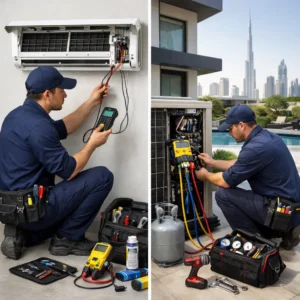
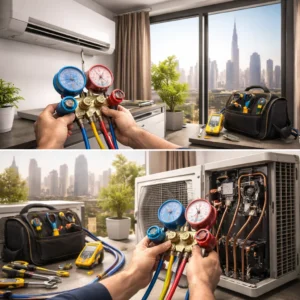
Equipment quality directly affects results. Proper duct cleaning is not possible with household vacuums or small portable tools.
Professional standards usually include:
- High-powered vacuum units: to create consistent negative pressure.
- Rotary brushes or air whips: to break loose adhered debris.
- HEPA filtration: to prevent contaminants from re-entering the space.
- Sealing tools: to protect registers during cleaning.
When equipment is inadequate, debris is either not removed or redistributed into rooms. Asking about tools is not being difficult—it is being informed.
Full Scope of Work: What Real Duct Cleaning Actually Covers
A professional visit should follow a clear scope. Understanding this helps you evaluate quotes and results.
A complete service typically includes:
- Inspection of supply and return ducts
- Isolation of vents to maintain pressure
- Mechanical cleaning of duct interiors
- Cleaning of diffusers and grilles
- Optional sanitisation when contamination is present
This scope goes beyond surface cleaning. It targets the parts of the system that directly affect airflow and air quality.
Transparent Pricing Logic: How Quotes Are Calculated
Pricing confusion is another common frustration. A trustworthy ac duct cleaning company explains how costs are calculated instead of offering vague flat rates.
Transparent quotes usually consider:
- Property size and layout: apartments, villas, and commercial spaces differ.
- Duct length and branching: more branches require more time and access points.
- Level of contamination: heavier buildup requires deeper cleaning.
- Add-ons: sanitisation or anti-mold treatments if needed.
The key is clarity before work begins. You should know what is included, what is optional, and what may change based on inspection—without surprise charges later.
Step-by-Step: What Happens During a Professional Visit
Knowing the process reduces anxiety and helps you recognize proper work.
A typical visit follows these steps:
- Initial assessment: technician checks system layout and access points.
- System preparation: vents are sealed and vacuum equipment is connected.
- Negative pressure activation: debris is pulled toward the collection unit.
- Mechanical cleaning: ducts are agitated section by section.
- Component cleaning: grilles and accessible housings are addressed.
- Optional treatment: sanitisation if microbial risk is present.
- Final verification: airflow and cleanliness are checked.
This structured approach ensures contaminants are removed rather than redistributed.
Direct ROI: How Clean Ducts Improve Efficiency and System Life
Duct cleanliness is not only about air quality. It also affects performance and operating cost.
Clean ducts help by:
- Improving airflow: reduced resistance means the system works less to move air.
- Lowering energy use: efficient airflow reduces runtime and electricity consumption.
- Reducing strain: motors and fans face less load.
- Extending lifespan: components last longer when not overworked.
Over time, these benefits translate into fewer repairs and more stable cooling, which is a practical return on investment.
When Duct Cleaning Is Needed—and When It Is Not
Duct cleaning is not something that should be done blindly or too frequently.
It is genuinely needed when:
- There is visible dust discharge from vents
- Persistent odors appear when AC runs
- Allergy symptoms worsen indoors
- After renovations or long vacancy
It may be unnecessary when:
- Ducts were recently cleaned properly
- No symptoms or airflow issues exist
- Problems are clearly unrelated (for example, thermostat faults)
A responsible ac duct cleaning company helps you decide, rather than pushing repeat services without reason.
Trust Signals That Separate Reliable Companies from Risky Ones
Trust is built through evidence, not promises.
Look for these signals:
- Trained technicians with clear procedures
- Willingness to explain scope and equipment
- Before-and-after documentation
- Clear communication and follow-up support
These signs indicate accountability and professionalism.
DIY Attempts vs Professional Results
DIY duct cleaning usually focuses on vents and visible areas. While this may remove surface dust, it does not address deeper contamination.
DIY risks include:
- Pushing debris further into ducts
- Damaging flexible duct sections
- Missing moisture-related growth
Professional results differ because they target the entire airflow path under controlled pressure, which DIY methods cannot replicate.
Odor-Based Warning Signs and What They Mean
Smells are diagnostic clues.
- Musty smell: often linked to moisture or microbial growth.
- Metallic smell: can indicate dust heated on coils or duct surfaces.
- Rotten or sour smell: may point to trapped organic debris.
Interpreting these signs early allows targeted action instead of guesswork.
When to Act and Why Early Action Matters
Ignoring duct contamination allows issues to compound—air quality drops, energy use rises, and system strain increases. Bio On Air addresses duct cleanliness with proper equipment, clear scope, and transparent communication. Acting early is preventive and often more cost-effective. If you want to discuss symptoms or understand whether duct cleaning is appropriate, use the WhatsApp or Call button at the top right of this page to connect with our team.
Conclusion
Choosing the right ac duct cleaning company is about understanding what happens inside your ducts and knowing how to judge real work versus shortcuts. Clean ducts support healthier air, better comfort, and more efficient AC performance. By focusing on scope, equipment, transparency, and trust signals, you can make an informed decision that protects both your indoor environment and your system over the long term.