




If you are searching for an indoor air quality company in the UAE, it often means you are experiencing symptoms like persistent cough, headaches, fatigue, or noticing musty odors inside your home or workplace. These are not random issues—they are often linked to measurable indoor air pollutants. This page explains how indoor air quality testing works, what is measured, and how results lead to real solutions.
Table of Contents
ToggleWhy Indoor Air Quality Matters in the UAE
Indoor environments in the UAE behave very differently from outdoor desert conditions. While outside air may seem dry, indoor spaces are heavily influenced by air conditioning, humidity fluctuations, and limited ventilation.
Most homes, apartments, and offices remain sealed for long periods to maintain cooling efficiency. This creates a controlled but often stagnant air environment where pollutants can accumulate over time.
Common UAE-specific contributors to poor indoor air quality include:
- Continuous AC usage with limited fresh air exchange
- Humidity buildup from showers, cooking, and occupancy
- Condensation forming on cold surfaces
- Dust accumulation inside ducts and filters
- Hidden mold growth in ceilings, ducts, or walls
Because these factors are not always visible, indoor air issues often go unnoticed until symptoms appear.
Common Symptoms Linked to Poor Indoor Air Quality
Many people assume their symptoms are due to weather or fatigue, but indoor air can be a significant hidden factor.
Common signs include:
- Chronic coughing or throat irritation
- Frequent headaches without clear cause
- Fatigue or low energy indoors
- Musty or damp odors in rooms
- Worsening allergy symptoms
- Breathing discomfort, especially at night
A key indicator is when symptoms improve after leaving the space and return after spending time indoors again.
What an Indoor Air Quality Company Actually Tests
Professional indoor air quality testing is not guesswork. It is based on measurable scientific parameters that provide a clear picture of air conditions.
Particulate Matter (PM1, PM2.5, PM10)
These are microscopic particles suspended in the air, often coming from dust, pollution, and indoor activities.
- PM1: Ultra-fine particles that can enter the bloodstream
- PM2.5: Linked to respiratory and cardiovascular issues
- PM10: Larger particles that affect breathing comfort
Total Volatile Organic Compounds (TVOCs)
TVOCs are gases released from materials such as paints, cleaning chemicals, furniture, and building materials.
High levels can cause:
- Headaches
- Dizziness
- Eye and throat irritation
Carbon Dioxide (CO₂)
CO₂ levels indicate ventilation quality. High levels often mean poor air circulation.
Carbon Monoxide (CO)
CO is a dangerous gas that can come from combustion sources. Even low levels must be monitored carefully.
Relative Humidity and Temperature
Humidity plays a major role in mold growth and comfort levels. In UAE homes, improper humidity balance is a common issue.
Microbiological Swabbing (Mold & Bacteria)
Surface and air samples are collected to detect mold spores and bacterial contamination.
This step is critical when there are musty smells or visible stains.
Indoor Air Quality Testing Workflow
A professional indoor air quality company follows a structured process to ensure accurate results.
1. Initial Assessment
The process begins with understanding your symptoms, property type, and possible sources of contamination.
2. On-Site Monitoring Setup
Specialized equipment is installed to monitor air quality over time. This may include:
- Air sampling devices
- Particle counters
- Gas analyzers
3. Multi-Day Data Collection
Instead of a single reading, data is collected over multiple hours or days to capture variations.
4. Laboratory Analysis
Samples collected are analyzed in controlled environments to identify specific contaminants.
5. Data Interpretation
The collected data is compared against health and safety benchmarks.
6. Actionable Report
The final report explains:
- What pollutants are present
- Where they are coming from
- How severe the issue is
- What actions should be taken
This transforms raw data into clear, practical steps.
When Indoor Air Quality Testing Is Necessary
Testing is not always required, but certain situations make it highly recommended.
After Renovation or Construction
New materials release chemicals and particles into the air.
After Water Leaks or Flooding
Moisture creates conditions for mold growth, even if surfaces look dry.
Seasonal Humidity Changes
Humidity fluctuations can lead to condensation and hidden moisture buildup.
Persistent Odors
Musty smells often indicate biological contamination.
Health Symptoms Without Clear Cause
If multiple occupants experience similar symptoms, indoor air should be considered.
Residential vs Commercial Indoor Air Quality Testing
| Aspect | Residential | Commercial |
|---|---|---|
| Focus | Health and comfort | Compliance and safety |
| Scope | Living spaces | Large-scale HVAC systems |
| Standards | Health-based guidelines | Regulatory requirements |
| Reporting | Actionable insights | Formal compliance documentation |
Residential testing focuses on improving daily living conditions, while commercial testing ensures workplace safety and compliance with local regulations.
Data-Driven Diagnostics vs Basic Air Monitoring
There is a significant difference between basic monitoring and professional diagnostics.
Basic monitoring:
- Provides simple readings
- Limited interpretation
- No clear action plan
Data-driven diagnostics:
- Collects detailed multi-parameter data
- Identifies root causes
- Provides clear recommendations
This approach ensures that actions are based on evidence, not assumptions.
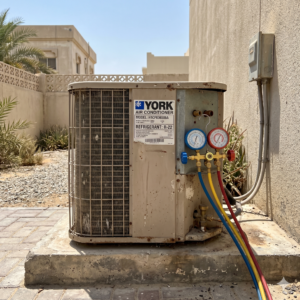
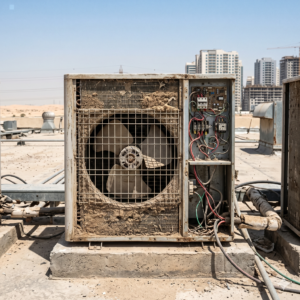
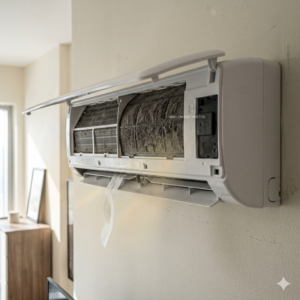
How Indoor Air Quality Affects AC Systems
Indoor air quality and AC performance are closely connected.
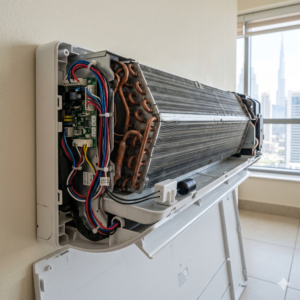
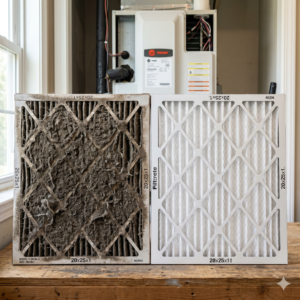
Poor air quality can result from:
- Dirty ducts
- Clogged filters
- Moisture buildup inside the system
In many cases, improving air quality also involves addressing the AC system itself.
For example, understanding how AC duct cleaning supports airflow quality can be part of a complete solution.
Long-Term Impact of Poor Indoor Air Quality
Ignoring indoor air quality can lead to long-term consequences:
- Chronic respiratory issues
- Reduced sleep quality
- Increased energy consumption
- Hidden mold growth and structural impact
These effects develop gradually, which is why they are often underestimated.
Preventive Approach to Indoor Air Quality
The best approach is not reactive—it is preventive.
- Regular AC maintenance
- Proper ventilation
- Humidity control
- Periodic inspection
This helps maintain a stable and healthy indoor environment.
If you are experiencing symptoms like persistent coughing, fatigue, or unusual odors, it may be time to understand what is actually present in your indoor air. These issues are often linked to measurable pollutants rather than surface-level problems. Left unaddressed, they can affect both your health and the performance of your AC system over time. With proper testing and analysis, these risks can be identified early and handled effectively. If you need clarity about your indoor environment, you can use the WhatsApp or Call button on the top right to connect with the Bio On Air team and understand the most suitable next step based on your situation.
Conclusion
Choosing the right indoor air quality company in the UAE is about more than monitoring—it is about understanding your environment through data. With proper testing, clear analysis, and actionable recommendations, you can improve air quality, protect your health, and maintain a comfortable indoor space.