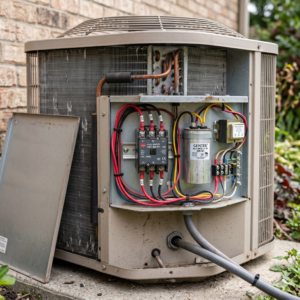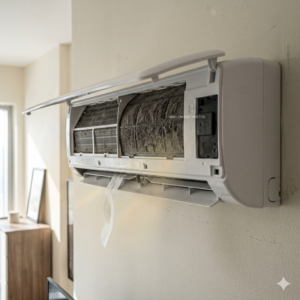





If your ac system not working, the first reaction is usually panic. The room feels hot, airflow is weak or completely gone, and you may not know whether the issue is small or serious. In a climate like the UAE, cooling failure is more than discomfort—it can affect health, productivity, and even indoor air quality. This guide walks you through immediate panic-check steps, symptom-based troubleshooting, urgent warnings such as frozen coils, and how to decide between repair and replacement, so you can act calmly and logically instead of guessing.
Table of Contents
ToggleImmediate Panic-Check Steps Before Calling Anyone
Before assuming the worst, there are several quick checks you can perform safely. These do not require technical skill, only careful observation. Many “ac system not working” cases turn out to be simple configuration or airflow problems.
1. Check Thermostat Settings and Batteries
Start with the thermostat. Confirm that:
- The mode is set to Cool, not Fan or Heat.
- The temperature setting is lower than the current room temperature.
- The display is active and not blank.
If the display is blank or flickering, replace the batteries first. Low batteries can cause erratic behavior, incorrect signals, or complete shutdown.
Visual tip: A simple thermostat diagram showing “Mode – Temperature – Fan” indicators can help users identify incorrect settings quickly.
2. Reset the Breaker Panel
If the AC does not turn on at all, check your electrical panel. Locate the breaker labeled AC or HVAC.
- If it is in the middle position, switch it fully OFF first.
- Wait 10 seconds.
- Switch it back ON firmly.
If the breaker trips again immediately, do not keep resetting it. That indicates a deeper electrical problem requiring professional inspection.
Visual guidance suggestion: A simple diagram of a breaker panel showing OFF–ON positions can reduce confusion and prevent improper handling.
3. Inspect the Air Filter for Clogging
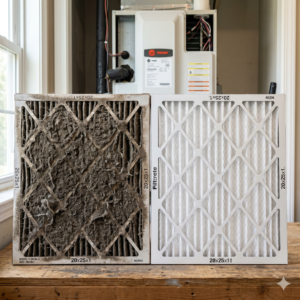
A clogged air filter is one of the most common causes of an ac system not working efficiently. When airflow is restricted:
- The system struggles to cool.
- The coil may freeze.
- Energy consumption increases.
Remove the filter and hold it against light. If light cannot pass through, it needs cleaning or replacement. Never run the system long-term without a filter, but briefly testing airflow with a clean filter can confirm whether blockage was the issue.
4. Check the Float Switch for Water Detection
Modern systems often include a safety float switch that shuts down the AC when water builds up in the drain pan. This prevents overflow and water damage.
If your AC suddenly stops and you previously noticed water leakage, the float switch may have triggered due to a clogged condensate drain line.
Visual guidance suggestion: A simple drain line diagram showing where to check for visible blockage can help homeowners understand the water flow path.
Symptom-Based Troubleshooting Guide
Instead of guessing, navigate by symptom. Identifying the exact behavior of your ac system not working helps narrow down likely causes.
Blowing Warm Air
If the system runs but air feels warm:
- Confirm thermostat settings again.
- Check filter condition.
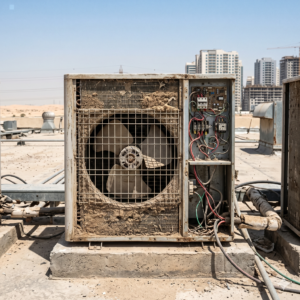
- Inspect outdoor unit for obstruction.
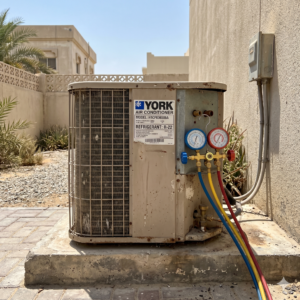
Possible causes include refrigerant issues, dirty coils, airflow restrictions, or failing compressor components. If basic checks do not restore cooling, professional inspection is recommended.
Not Turning On at All
If there is no sound, no airflow, and no display:
- Check thermostat batteries.
- Inspect breaker panel.
- Confirm power supply to the unit.
If power is confirmed but the system remains inactive, internal electrical components may require diagnosis.
Unusual Noises (Categorized by Sound Type)
Different sounds often indicate different issues:
- Banging: loose or broken internal component.
- Buzzing: electrical issue or debris in outdoor unit.
- Clicking repeatedly: control board or relay malfunction.
- Screeching: fan motor or belt problem.
Turning off the system when abnormal noise persists prevents further internal damage.
Leaking Water from Condensate Line
Water leakage usually points to a blocked drain line, frozen coil, or cracked drain pan.
Small blockages may be cleared safely if accessible. However, persistent leakage should be handled professionally to avoid mold growth and structural damage.
Urgent Warning: Frozen Coil – Turn It Off Immediately
If your AC airflow becomes weak and you notice ice forming on refrigerant lines or inside the unit, turn the system OFF immediately.
Running the AC with a frozen coil can:
- Damage the compressor.
- Cause internal flooding when ice melts.
- Worsen refrigerant imbalance.
Allow the system to thaw completely before further diagnosis. Thawing may take several hours. Only after the ice is gone can a proper inspection determine whether airflow blockage, refrigerant issues, or mechanical failure caused the freeze.
Repair vs Replace: A Practical Decision Framework
When facing a major issue, many homeowners wonder whether to repair or replace. Instead of focusing only on immediate cost, consider these logical factors:
1. Unit Age
Older systems naturally become less efficient and more prone to failure. Frequent breakdowns in an aging unit often indicate declining reliability.
2. Repair Frequency
If repairs are becoming frequent within short intervals, the total cost over time may exceed the benefit of keeping the unit.
3. Refrigerant Type
Some older systems use outdated refrigerants that are less environmentally friendly and harder to source. This can increase long-term service complexity.
4. Overall Cost Logic
Instead of guessing, ask for a clear explanation of expected repair scope and compare it to long-term efficiency and reliability benefits. While exact numbers depend on system condition, understanding total cost logic is more important than focusing only on today’s expense.
Technician Vetting Checklist
If your ac system not working requires professional help, choosing the right technician matters.
- Certifications: confirm they are qualified for HVAC handling and refrigerant safety.
- Warranty clarity: ask what parts and labor are covered.
- Transparent diagnostic readings: request measurable data (pressure readings, airflow levels).
- Written estimates: always ask for a documented repair scope before approval.
A reliable technician explains findings clearly, not in confusing technical jargon. Transparency builds trust and prevents misunderstanding.
Why Visual Guidance Improves Troubleshooting
Simple diagrams and short demonstration clips can significantly improve understanding. For example:
- A breaker reset diagram prevents incorrect switching.
- A drain line illustration shows where blockage commonly occurs.
- An airflow diagram helps identify filter restriction issues.
Visual guidance improves retention and reduces user error, especially during stressful situations.
When Professional Intervention Becomes Necessary
If panic-check steps do not resolve the issue, continued operation may increase damage. AC systems are interconnected; running them under stress can worsen component wear.
Delaying proper repair can lead to:
- Poor indoor air quality.
- Higher electricity consumption.
- Permanent compressor damage.
- Water-related mold growth.
Bio On Air handles AC system issues with structured inspection, clear explanation, and safe repair procedures. Acting early prevents minor faults from turning into major failures. You can use the WhatsApp or Call button at the top right of this page to discuss your AC symptoms and receive practical guidance.
Conclusion
When your ac system not working, panic is natural, but structured action is better. Start with thermostat and breaker checks, inspect filters and drainage, and watch for urgent signs like frozen coils. Navigate by symptom, not guesswork. If professional help is required, choose a certified technician who offers transparent diagnostics and written estimates. Logical decisions—rather than rushed ones—protect your comfort, health, and long-term system reliability.