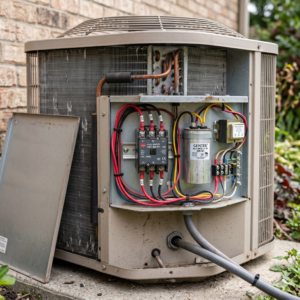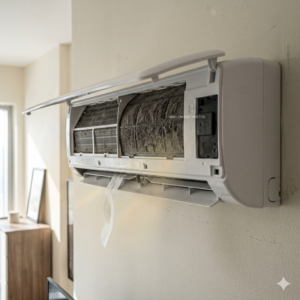





An ac system leak is one of the most confusing and stressful HVAC problems because it can mean two very different things: water leaking from condensation or refrigerant leaking from the cooling circuit. Both affect performance, comfort, and safety, but they require completely different responses. Understanding the difference early can help you avoid costly damage, health risks, and unnecessary system failure.
Table of Contents
ToggleWater Leak vs Refrigerant Leak: How to Tell the Difference
When most people notice water around their AC unit, they assume the system is “leaking gas.” In reality, clear water puddles are usually related to condensation drainage, not refrigerant.
Signs of a Water (Condensate) Leak
- Clear or slightly cloudy water near the indoor unit
- Water dripping from the ceiling or AC panel
- Overflow from a drain pan
- No oily texture on the liquid
Water leaks are usually caused by blocked drainage or airflow problems that create excess condensation.
Signs of a Refrigerant Leak
- Oily residue near copper lines or fittings
- Reduced cooling performance
- Hissing or bubbling sounds
- Ice forming on refrigerant lines
Refrigerant does not appear as clear water. It often leaves oily marks because it carries lubricating oil through the system. A refrigerant leak is more serious because it directly affects system pressure and cooling capacity.
Common Causes of AC System Water Leaks
Clogged Condensate Drain Line
This is one of the most frequent causes. Dust, mold, and debris accumulate inside the drain line, blocking water from exiting properly. The water then backs up and overflows.
Cracked or Rusted Drain Pan
Older systems may develop cracks or corrosion in the drain pan, allowing water to escape even if the drain line is clear.
Frozen Evaporator Coil from Dirty Filters
When airflow is restricted due to clogged filters, the evaporator coil may freeze. Once it melts, excess water overwhelms the drainage system.
Common Causes of AC System Refrigerant Leaks
Corroded Copper Lines
Over time, copper refrigerant lines can corrode, especially in humid or salty environments.
Loose Fittings or Connections
Vibration and aging can loosen connections, allowing refrigerant to escape slowly.
Coil Damage
Physical damage or internal corrosion in evaporator or condenser coils can create micro-leaks that reduce system efficiency.
Immediate DIY Checklist for Suspected Water Leaks
If you suspect a water leak (clear puddles, no oily residue), you can safely try these steps:
- Turn off the AC system to prevent further overflow.
- Use a wet/dry vacuum to clear the condensate drain line from the outdoor drain outlet.
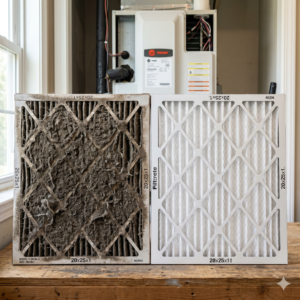
- Inspect and replace dirty air filters.
- Perform a preventive drain flush using water and mild cleaning solution.
- Check the overflow safety switch to ensure it is functioning.
If water leakage continues after these steps, professional inspection is recommended.
Red Flags That Require Professional Service Immediately
Certain signs indicate the issue is beyond DIY handling:
- Hissing or bubbling sounds from refrigerant lines
- Ice forming on copper lines or evaporator coil
- Repeated water overflow even after clearing drain
- Low cooling output despite thermostat settings
- System short cycling (frequent on/off)
These symptoms may indicate a refrigerant leak, compressor stress, or airflow imbalance that requires specialized tools and training.
Professional Leak Detection Methods
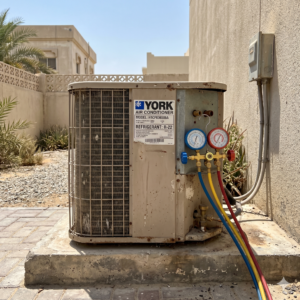
Identifying a refrigerant leak requires more than visual inspection. Professional techniques include:
Electronic Leak Detectors
These tools sense refrigerant particles in the air around suspected leak points.
Pressure Testing
The system is pressurized with nitrogen to detect pressure drops.
UV Dye Tracing
Special dye is injected into the system, making leaks visible under UV light.
Refrigerant Recovery Procedures
Refrigerant must be safely recovered before repairs to comply with environmental and safety regulations.
Repair or Replace: How to Decide
Not all leaks justify full system replacement. The decision depends on:
- Leak location (coil vs connection fitting)
- System age
- Overall coil condition
- Compressor health
- Energy efficiency impact
If the system is relatively new and the leak is localized, repair may be practical. However, if the unit is older and coil corrosion is widespread, replacement could be more cost-effective long-term.
Instead of focusing on fixed price numbers, it is better to request a clear explanation of repair scope and total cost after inspection. Transparent pricing helps you make informed decisions without pressure.
Environmental and Safety Considerations
An ac system leak is not only a mechanical issue. It also involves environmental and safety aspects.
- Refrigerant phase-out regulations: Some older refrigerants are being phased out, affecting refill availability.
- Mold growth risk: Persistent water leaks create moisture environments ideal for mold.
- Slip hazards: Water overflow increases risk of falls.
- Electrical safety: Water near electrical components is dangerous.
- Indoor air quality concerns: Moisture and contamination affect breathing comfort.
Preventive Maintenance to Reduce Future AC System Leak Incidents
Preventing leaks is usually easier and more affordable than repairing damage later. Key strategies include:
- Routine filter changes to maintain airflow
- Annual system inspections
- Regular drain line cleaning
- Evaporator and condenser coil care
- Airflow management and duct inspection
Proactive maintenance reduces stress on components and prevents moisture buildup that leads to overflow or corrosion.
When an AC System Leak Should Be Handled Professionally
If you notice repeated water leakage, oily residue, reduced cooling, or unusual system behavior, delaying action can increase repair costs and safety risks. Water leaks can damage ceilings and walls, while refrigerant leaks can strain the compressor and reduce efficiency. Addressing the issue early protects your comfort, energy costs, and indoor air quality. If you are unsure whether your leak is water or refrigerant related, using the WhatsApp or Call button at the top right of this page allows you to discuss your symptoms and receive guidance on the safest next step.
Conclusion
An ac system leak can range from a simple drain blockage to a serious refrigerant issue. Identifying whether the leak is water or refrigerant is the first step toward the correct solution. By understanding causes, warning signs, and professional detection methods, you can avoid unnecessary costs and protect your system’s lifespan. Early inspection and preventive maintenance remain the most effective strategies for long-term reliability and comfort.