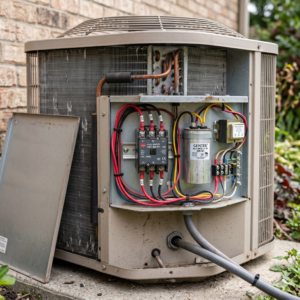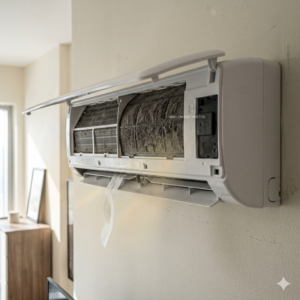





Water leakage in wall is one of the most frustrating problems you can face inside a home or office. You may first notice a damp patch, peeling paint, bubbling plaster, or a faint musty smell. Over time, the stain grows darker, the wall weakens, and you start worrying about structural damage, mold, and repair costs. In many cases, people assume the cause is plumbing or rainwater. However, one overlooked but very common cause of water leakage in wall—especially in the UAE—is a faulty or poorly maintained AC system. Understanding the real cause is the first step to preventing bigger damage and unnecessary expenses.
Table of Contents
ToggleUnderstanding Water Leakage in Wall and Why It Should Not Be Ignored
Water leakage inside a wall is not just a cosmetic issue. It is a warning sign. When moisture accumulates behind paint, tiles, or drywall, it can slowly damage structural materials, reduce insulation performance, and create a perfect environment for mold growth.
Common signs of water leakage in wall include:
- Yellow or brown stains spreading across paint
- Bubbling or peeling paint and wallpaper
- Soft or swollen drywall
- Musty odor near the affected area
- Water dripping or moisture near AC units
The longer the issue is left unresolved, the greater the risk of structural weakening, unhealthy indoor air, and higher repair costs. That is why identifying the source quickly is essential.
Main Causes of Water Leakage in Wall
Before assuming the worst, it is important to understand that water leakage in wall can come from different sources. The key is proper inspection and systematic elimination of possible causes.
1. Plumbing Leaks Inside the Wall
Hidden plumbing pipes can develop small leaks over time due to corrosion, pressure imbalance, or loose connections. These leaks may start slowly but gradually saturate the wall.
Typical signs include:
- Continuous dampness even when AC is off
- Increased water bill without clear reason
- Moisture near bathrooms or kitchens
Plumbing leaks often require specialized leak detection tools to pinpoint accurately.
2. Roof or Exterior Water Infiltration
In some buildings, cracks in roofing, exterior walls, or window seals allow rainwater to penetrate the structure. While the UAE has limited rainfall compared to other regions, sudden heavy rain can expose structural weaknesses.
This type of leakage often appears after rain and may dry slowly.
3. Poor Waterproofing or Construction Defects
Improper waterproofing during construction can allow moisture to travel inside walls. Over time, this becomes visible as stains or paint damage.
However, in many modern residential and commercial spaces in the UAE, one of the most underestimated causes is related to air conditioning systems.
How AC Systems Cause Water Leakage in Wall
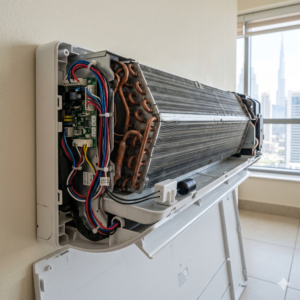
Air conditioning systems naturally produce condensation. When warm air passes over cold evaporator coils, moisture from the air condenses into water. This water must drain properly through a drainage system.
If anything interrupts this process, water can overflow and seep into walls.
1. Clogged AC Drain Line
This is one of the most common causes of water leakage in wall related to AC systems.
When dust, debris, or algae block the drain line, condensation water cannot flow out properly. Instead, it backs up and leaks into surrounding structures.
Signs include:
- Water dripping from indoor AC unit
- Stains directly below wall-mounted units
- Moisture near the AC installation area
Drain-line cleaning is often part of moderate AC repair, typically within the AED 320–650 range depending on complexity.
2. Dirty or Frozen Evaporator Coils
When coils become dirty, airflow is restricted. This can cause coils to freeze. Once the ice melts, excess water may overflow beyond the drainage system.
Coil cleaning is commonly categorized under moderate repair or deep cleaning services, depending on severity.
3. Improper AC Installation
If the indoor unit is not slightly tilted toward the drain side, condensation water may accumulate and overflow into the wall.
Improper installation can also result in poorly connected drainage pipes, allowing water to leak internally.
4. Cracked or Disconnected Drain Pan
The drain pan collects condensation before directing it into the drain line. If it cracks or becomes misaligned, water may leak directly into the wall cavity.
5. Refrigerant Issues Leading to Excess Condensation
Low refrigerant levels can cause abnormal coil freezing and excessive melting water. Proper inspection is necessary before assuming a gas refill is required.
Refrigerant-related services such as gas refill with leak checks typically range between AED 130–450 depending on refrigerant type and system size.
Why AC-Related Water Leakage Is Often Misdiagnosed
Many property owners initially call plumbers when they see water leakage in wall. While plumbing should be checked, AC-related condensation issues are sometimes overlooked.
This leads to unnecessary wall repairs before the real source is addressed. If the AC drainage problem continues, the wall damage returns.
Professional AC inspection—like what is typically outlined in a structured AC repair process—helps determine whether the source is mechanical, airflow-related, or drainage-based.
Risks of Ignoring Water Leakage in Wall
Delaying action can lead to:
- Structural weakening of drywall or concrete
- Mold growth inside wall cavities
- Increased allergy symptoms
- Electrical risks if moisture reaches wiring
- Higher long-term renovation costs
Moisture trapped inside walls also reduces insulation efficiency, making your AC work harder and increasing electricity consumption.
How to Diagnose Whether AC Is the Cause
Here are practical steps you can observe before calling for inspection:
- Does leakage worsen when AC runs continuously?
- Is the stain located near the indoor AC unit?
- Does water appear below the AC after several hours of cooling?
- Is there recent history of poor cooling or airflow issues?
If most answers are yes, the AC system is likely involved.
How Proper AC Maintenance Prevents Wall Leakage
Regular maintenance reduces the risk of condensation overflow and blocked drainage.
Preventive actions include:
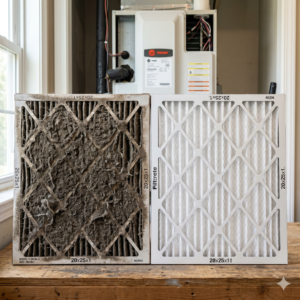
- Routine filter cleaning
- Drain-line inspection and flushing
- Coil cleaning to prevent freezing
- Checking installation alignment
Scheduled maintenance services typically range from AED 230–650 depending on depth and scope. Annual maintenance contracts may range from AED 450–1,350 per year.
When Professional Help Is Necessary
If water leakage continues, or if mold smell appears, professional inspection is recommended. Bio On Air handles AC-related leakage issues through proper diagnosis, drainage correction, and system inspection.
Leaving the issue unresolved can lead to poor indoor air quality, repeated wall damage, higher energy bills, and more expensive structural repairs later. Acting early reduces risk and cost.
If you suspect your AC is contributing to water leakage in wall, you can use the WhatsApp or Call button at the top right of this page to discuss your situation and understand the next appropriate step.
Conclusion
Water leakage in wall is not just a surface problem. While plumbing and structural issues are possible causes, AC systems are often responsible—especially when drainage, coils, or installation are compromised. Early inspection and proper repair prevent structural damage, mold growth, and rising electricity costs. Understanding the cause allows you to fix the problem at its source instead of repeatedly repairing the wall without solving the underlying issue.