Humidity Al Ain is often misunderstood because the city is known for extreme heat, yet its dryness makes the experience very different from coastal cities like Dubai or Abu Dhabi. Living in Al Ain means dealing with inland continental conditions, desert geography, seasonal wind shifts, and even mountain altitude changes that all influence how humidity feels throughout the year.
Table of Contents
ToggleUnderstanding Humidity in Al Ain’s Inland Continental Climate
Al Ain is located inland, surrounded by desert landscapes and bordered by mountains. Unlike Dubai and Abu Dhabi, which sit directly along the Arabian Gulf and experience coastal humidity, Al Ain’s climate is classified as inland continental desert. This means temperatures can be extremely high, but humidity levels are generally lower for most of the year.
Because Al Ain is not directly exposed to sea moisture, the air tends to remain drier. The desert environment absorbs heat during the day and releases it at night, creating large temperature swings. This dry heat is often described as “intense but less sticky” compared to coastal cities.
However, this dryness does not mean humidity is absent. Instead, humidity in Al Ain fluctuates differently depending on wind direction, time of year, and elevation.
Dry Heat vs Coastal Humidity Simple Comparison
To understand humidity Al Ain better, it helps to compare it with coastal cities.
| Condition | Al Ain (Dry Inland) | Dubai / Abu Dhabi (Coastal) |
|---|---|---|
| Humidity Level | Generally lower | Moderate to high |
| Heat Feeling | Sharp, dry, intense | Sticky, heavy, humid |
| “Feels Like” Effect | Higher temperature but drier air | Lower temperature but higher discomfort due to humidity |
| Night Conditions | Faster cooling | Humidity lingers after sunset |
In simple terms, 45°C in Al Ain can feel harsh but breathable, while 38°C in a coastal city may feel more exhausting because high humidity reduces the body’s ability to cool itself through sweat evaporation.
Geographical Influence Desert and Mountain Effects
Al Ain’s desert location significantly reduces constant moisture buildup. The sandy terrain absorbs solar radiation rapidly, raising daytime temperatures. At night, heat escapes more quickly due to the absence of thick humid air layers.
Nearby mountains, especially Jebel Hafeet, also influence local microclimates. Mountains affect wind patterns, trap cooler air at higher elevations, and create noticeable humidity shifts between base and summit.
Rare Late-Summer Humidity Spikes
Although Al Ain is typically dry, late summer—especially August—can bring occasional humidity spikes. These shifts are caused by wind pattern changes that draw moist air inland from coastal regions.
During these rare periods:
- The air may feel heavier than usual.
- Evening conditions can become more uncomfortable.
- Outdoor discomfort increases despite similar temperatures.
These humidity spikes are usually temporary but noticeable for residents who are accustomed to dry heat.
Seasonal Breakdown of Humidity in Al Ain
Winter (December to February)
Winter is generally comfortable. Humidity remains moderate but not oppressive. Temperatures are pleasant, and outdoor activities are widely enjoyed. This is the most balanced season in terms of comfort.
Spring (March to May)
Spring sees rising temperatures and decreasing humidity. Dry air dominates, and dust levels may increase. Skin dryness and dehydration become more noticeable.
Peak Summer (June to July)
This is the driest and hottest period. Temperatures are extremely high, but humidity often remains lower than coastal regions. Sweat evaporates quickly, which can cause invisible dehydration.
Late Summer (August)
Occasional humidity spikes may occur due to shifting wind patterns. Some days feel unexpectedly heavy compared to the usual dry climate.
Autumn (September to November)
Temperatures gradually decrease. Humidity stabilizes, and outdoor comfort slowly returns.
The Oasis Microclimate Effect
Al Ain is known as the “Garden City” because of its historic oasis systems. Traditional irrigation channels (falaj systems) and dense greenery create localized humidity pockets.
Within oasis areas:
- Humidity may feel slightly higher.
- Temperatures can feel cooler due to shade and vegetation.
- Air feels softer compared to open desert areas.
This microclimate effect explains why walking inside palm groves feels noticeably different from standing in exposed desert terrain.
Jebel Hafeet Altitude Factor
Jebel Hafeet, rising over 1,200 meters above sea level, creates a unique climatic variation within short driving distance.
As you move from the base to the summit:
- Temperature decreases gradually.
- Air density becomes lower.
- Humidity perception changes due to cooler air.
Even if humidity percentage does not drastically change, cooler temperatures at higher altitude make the air feel more comfortable. This shift is noticeable within a short drive, demonstrating how geography influences climate perception.
Health and Lifestyle Impacts of Humidity in Al Ain
Dehydration from Invisible Sweating
Dry heat causes sweat to evaporate quickly. You may not notice how much fluid you are losing, increasing dehydration risk.
Skin and Hair Dryness
Low humidity levels contribute to dry skin, cracked lips, and brittle hair. Many residents rely on moisturizers year-round.
Respiratory Sensitivity and Dust
Dry environments increase airborne dust. Sand particles can irritate respiratory passages, especially for sensitive individuals.
Humidity Changes and Comfort Perception
When occasional humidity spikes occur, comfort perception changes dramatically. The same temperature can suddenly feel heavier and more tiring.
AC Performance in Dry Environments
Dry air affects AC systems differently than humid coastal climates.
- AC units cool efficiently because there is less moisture to remove.
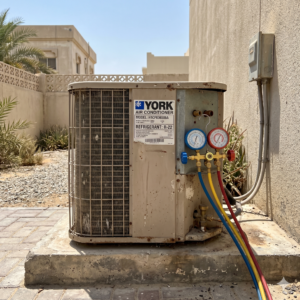
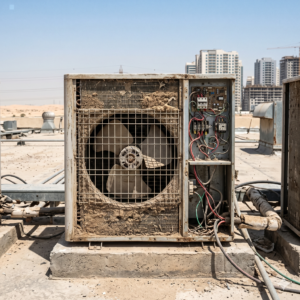
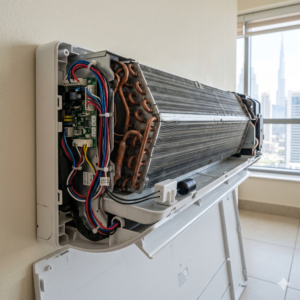
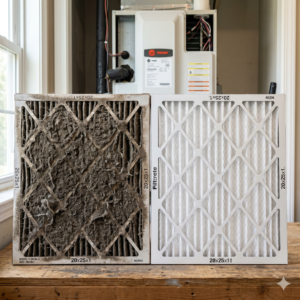
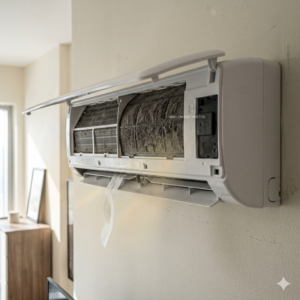
- Evaporator coils may accumulate dust faster due to dry conditions.
- Air can become excessively dry indoors if AC runs continuously.
Maintaining proper AC performance includes regular cleaning and airflow checks. Indoor humidity balance is important to prevent excessive dryness.
Indoor Humidity Balance and When to Use Humidifiers
In very dry months, indoor humidity may drop below comfort levels. Signs that a humidifier may help include:
- Frequent dry throat or nasal irritation.
- Static electricity buildup.
- Cracked skin despite hydration.
However, humidifiers should be used carefully. Excess moisture can create mold risks if ventilation is poor.
Plant Suitability in Al Ain’s Climate
Dry desert conditions influence plant selection. Native or drought-resistant plants perform better outdoors. Indoor plants may require humidity support, especially during peak summer dryness.
Ventilation Habits for Comfort
Because outdoor air is often dry, short ventilation periods during cooler times of day can improve freshness without increasing humidity significantly.
Monthly Humidity Snapshot Overview
| Month | Humidity Trend | Comfort Level | Outdoor Activity Suitability |
|---|---|---|---|
| Jan–Feb | Moderate | High Comfort | Excellent for outdoor activities |
| Mar–Apr | Lower | Comfortable | Good, but warming |
| May–Jul | Very Low | Harsh Dry Heat | Limited daytime activity |
| Aug | Occasional Spikes | Variable | Early morning or evening best |
| Sep–Nov | Stabilizing | Improving | Increasingly comfortable |
When Indoor Climate Control Matters Most
Humidity changes affect not only comfort but also air quality. Dry air can worsen respiratory sensitivity, while sudden humidity increases can create discomfort or condensation issues indoors. Managing indoor air balance through proper AC performance and ventilation becomes essential.
Conclusion
Humidity Al Ain reflects the city’s unique inland continental desert identity. Unlike coastal cities, Al Ain experiences predominantly dry heat shaped by desert geography and mountain influence. While occasional late-summer humidity spikes occur, the climate remains generally dry and intense. Understanding seasonal changes, health effects, and altitude variation helps residents adapt more comfortably. With proper hydration, indoor humidity balance, and smart ventilation habits, living in Al Ain’s dry environment becomes more manageable and predictable throughout the year.