




AC cleaning foam is often promoted as a simple solution for dirty air conditioners, but many users are unsure where exactly to spray it, what areas must be avoided, and what results to realistically expect. Used correctly, cleaning foam can restore cooling efficiency, reduce odor, and extend system lifespan. Used incorrectly, it can damage electrical parts, cause drainage overflow, or create bigger repair issues. This guide explains in detail how to use AC cleaning foam safely, effectively, and intelligently.
Table of Contents
ToggleUnderstanding What AC Cleaning Foam Actually Does
AC cleaning foam is designed to break down dirt, grease, microbial buildup, and debris inside cooling components. Most commonly, it is used on evaporator coils, where dust and moisture combine to form sticky buildup that reduces heat transfer efficiency.
When evaporator coils are dirty:
- Cooling becomes weaker.
- The compressor works harder.
- Energy bills increase.
- Moisture retention encourages mold growth.
The foam expands into tight coil spaces, loosens contamination, and either self-rinses through condensation (in no-rinse types) or requires manual rinsing (in heavy-duty cleaners).
However, cleaning foam is not a universal spray-for-everything solution. Knowing where to apply it—and where not to—is critical.
Correct Target Areas for AC Cleaning Foam Application
Evaporator Coils
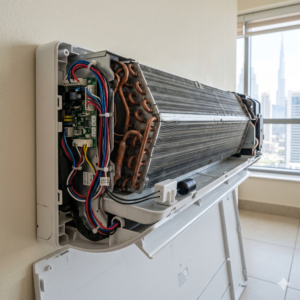
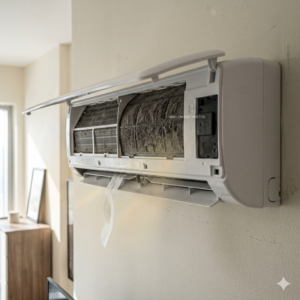
This is the primary and safest target when accessed properly. The evaporator coil is located inside the indoor unit and is responsible for absorbing heat from the room air.
Foam should be applied directly onto the coil fins. This area benefits most because:
- Dust accumulation blocks airflow.
- Moisture encourages microbial growth.
- Heat transfer efficiency decreases over time.
Spray coverage should be even and controlled, ensuring full surface contact without flooding.
Drain Pan
The drain pan collects condensation water that drips from the evaporator coil. Over time, it may develop sludge, biofilm, or odor-causing bacteria.
Foam can be lightly applied here to help break down buildup, especially if odor originates from stagnant water. However, excessive spraying may create overflow risk if the drain line is partially clogged.
Accessible Metal Housing Around Coil Area
Light contamination on metal surfaces surrounding the coil can also be cleaned with foam, provided no electrical parts are nearby.
Strict No-Go Zones Where Foam Must Never Be Applied
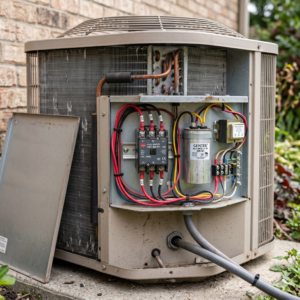
One of the biggest risks of using AC cleaning foam improperly is spraying sensitive components. The following areas must always be avoided:
- Control boards (PCB)
- Electrical wiring and connectors
- Blower motor housing
- Sensor modules
- Capacitors or relays
These components are sensitive to moisture and chemical exposure. Even “no-rinse” foam can cause corrosion or short circuits if sprayed onto electronic parts.
If you cannot clearly identify these parts, it is safer not to proceed beyond filter removal and visible coil inspection.
No-Rinse Self-Rinsing Foam vs Heavy-Duty Alkaline Cleaners
Choosing the correct type of foam depends on the level of contamination and access conditions.
No-Rinse Self-Rinsing Foam
This type is designed to liquefy and drain naturally with condensation when the AC runs again. It is suitable for:
- Light to moderate dirt buildup
- Routine maintenance cleaning
- Residential split AC systems
Advantages:
- Easier to use
- Less risk of oversaturation
- No water rinsing required
Heavy-Duty Alkaline Coil Cleaners
These are stronger chemical cleaners intended for heavily contaminated systems.
They are appropriate when:
- Coils are visibly clogged with thick grease or debris
- System has not been cleaned for years
- Commercial units accumulate heavy dust loads
However, heavy-duty cleaners usually require controlled rinsing and careful chemical handling. They are not ideal for casual DIY use unless proper training and access are available.
If unsure which type to choose, evaluate contamination visually. For heavy buildup that cannot be removed easily by airflow, stronger cleaners or professional service may be safer.
Complete Step-by-Step AC Cleaning Foam Procedure
Step 1: Power Shutoff
Turn off the AC unit completely from the main power supply. Do not rely only on remote control. Electrical safety is mandatory.
Step 2: Safe Access to the Coil
Open the front panel and remove air filters. In some units, additional screws may need removal to access coil surfaces. Work carefully and avoid forcing panels.
Step 3: Inspect Before Spraying
Check for:
- Excessive debris
- Drain pan condition
- Electrical parts nearby
If debris is thick, pre-brushing with a soft brush may be necessary before foam application.
Step 4: Bottom-Up Spraying Technique
Spray foam starting from the bottom of the coil moving upward. This allows foam expansion to lift debris effectively while minimizing runoff.
Avoid overspraying. Apply an even layer across coil fins without flooding surrounding areas.
Step 5: Dwell Time
Allow the foam to sit for the manufacturer-recommended dwell time (typically 5–15 minutes). This allows chemical action to break down buildup.
Step 6: Drain Check
Observe whether foam liquefies and drains into the pan. If foam accumulates without draining, the condensate drain line may be partially clogged.
Step 7: Restart Procedure
After dwell time and drainage, reassemble panels and restore power. Run the AC in cooling mode to allow condensation to assist with final rinsing (for no-rinse types).
Expectation Management After Cleaning
Users often expect instant dramatic changes. Realistically:
- Airflow may improve noticeably within hours.
- Odors may temporarily intensify before improving, due to loosened residue.
- Heavily clogged systems may require more than one cleaning cycle.
If thick debris was present, pre-brushing is often required. Foam alone may not fully remove hardened buildup.
Troubleshooting Common Problems
Foam Not Draining Properly
If foam collects in the drain pan and does not flow out, the condensate drain line may be partially blocked. This creates overflow risk.
Stop the process and inspect the drain line before restarting the unit.
Water Overflow After Cleaning
This usually indicates:
- Drain blockage
- Excessive foam application
- Improper unit leveling
Overflow should never be ignored. Water damage can affect walls and electronics.
No Improvement in Cooling
If cleaning does not improve performance, the issue may involve refrigerant levels, electrical components, or compressor function. Foam cleaning addresses airflow and hygiene—not mechanical faults.
Maintenance Benefits of Proper Foam Cleaning
When done correctly, AC cleaning foam provides measurable advantages:
- Improved heat transfer efficiency
- Reduced compressor strain
- Lower energy consumption
- More stable airflow
- Extended system lifespan
Cleaner coils allow the refrigerant cycle to operate efficiently. This reduces long-term wear on major components.
Essential Tool Checklist Before Starting
- Protective gloves
- Safety glasses
- Soft brush
- Cloth or absorbent pad
- Screwdriver (if panel removal required)
- Flashlight
Having all tools ready prevents interruption mid-process, which can lead to improper reassembly or incomplete cleaning.
Strong Safety Warnings You Should Not Ignore
- Never spray foam on live electrical components.
- Always shut off power completely.
- Avoid mixing different chemical cleaners.
- Do not use high-pressure water inside indoor units.
- Stop immediately if unsure about component identification.
Incorrect cleaning can cause more damage than leaving the unit untouched.
Before and After Results: What Builds Trust
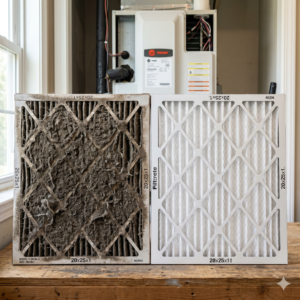
Visual proof matters. Before cleaning, coils often appear dusty or darkened. After proper cleaning, metal fins look clearer and airflow becomes less obstructed.
However, extreme cases may require professional dismantling to achieve full restoration. Foam cleaning is maintenance—not a full overhaul in severely neglected systems.
ROI: Why the Effort Makes Sense
Regular cleaning improves efficiency and reduces compressor workload. Over time, this translates to lower electricity bills and delayed major repairs.
Even small efficiency gains compound over months of continuous AC usage in hot climates.
Product Selection Considerations
When selecting AC cleaning foam, consider:
- System type (split, window, central)
- Contamination level
- Accessibility of coil area
- Manufacturer instructions
If uncertain about suitability or safety, consult a professional before applying chemicals to sensitive components.
When Professional AC Deep Cleaning Is the Better Option
If coils are severely clogged, drain lines repeatedly overflow, or odor persists despite cleaning attempts, deeper service may be required. Professional cleaning involves dismantling components safely, flushing drain lines, and ensuring electrical parts remain protected.
Bio On Air handles AC deep cleaning with structured procedures and controlled application methods, especially when contamination exceeds safe DIY limits.
Conclusion
AC cleaning foam can be an effective maintenance tool when used correctly on evaporator coils and drain pans while strictly avoiding control boards, wiring, and blower motors. Understanding product type, applying proper technique, and managing expectations are essential to avoid damage or disappointment. When contamination is heavy or symptoms persist beyond airflow issues, professional intervention becomes the safer and more cost-effective solution. In all cases, safety and informed decision-making should guide your approach.