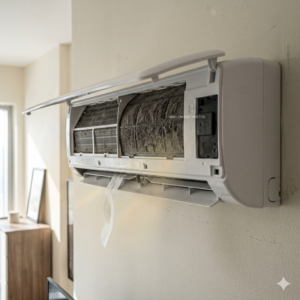





ac cleaning filter is one of the simplest yet most overlooked maintenance tasks in any cooling system. When filters are neglected, airflow drops, cooling performance weakens, energy use increases, and indoor air quality suffers. The good news is that proper filter cleaning—done correctly and consistently—can restore airflow, reduce strain on the system, and help prevent frequent AC repair situations.
Table of Contents
ToggleUnderstanding AC Filter Types Before Cleaning
Before you clean anything, the first step in proper ac cleaning filter is identifying what type of filter you have. Not all filters are designed to be washed. Cleaning the wrong type incorrectly can damage the filter and reduce performance.
Disposable Filters
Disposable filters are usually made of lightweight pleated paper or fiberglass. They are designed for single use and should not be washed. Washing them weakens the structure, damages the filtration material, and reduces efficiency.
Signs you have a disposable filter:
- Thin pleated paper-like material
- No plastic mesh reinforcement
- Label indicating replacement schedule
If your filter is disposable and heavily clogged, replacement is safer than cleaning. Replacement costs are typically low compared to the impact of restricted airflow.
Reusable (Washable) Filters
Reusable filters are usually made of thicker mesh, metal frame, or reinforced synthetic material. These can be safely cleaned if handled properly.
Signs you have a washable filter:
- Sturdy plastic or metal frame
- Mesh or foam material
- No “replace only” instructions
If you are unsure, check the manufacturer’s label or manual. When in doubt, avoid washing until confirmed.
How to Confirm If a Filter Can Be Washed Safely
To prevent accidental damage during ac cleaning filter, confirm washability using these checks:
- Look for “washable” marking on the frame
- Check manufacturer documentation
- Inspect material strength—does it hold shape firmly?
If the filter bends easily or the filtration media separates from the frame, washing may cause permanent damage. Structural integrity is critical because warped filters create bypass airflow, meaning unfiltered air moves around the filter instead of through it.
Simple Airflow Visibility Check to Assess Blockage
Before deep cleaning, you can perform a quick airflow test.
- Hold the filter up against light.
- If very little light passes through, it is likely clogged.
- Check for uneven dust accumulation.
Another method: run your AC and place your hand near the supply vent. Weak airflow may indicate filter blockage. However, weak airflow can also signal duct or coil issues, so filter inspection should be part of a broader evaluation.
Step-by-Step Deep Clean Method for Washable Filters
Step 1: Turn Off the AC System
Always turn off power before removing the filter. This prevents debris from being pulled deeper into the system.
Step 2: Remove Dry Dust First
Dry dust removal is often overlooked but important. Use a soft brush or vacuum cleaner to remove loose dust before washing. This prevents mud formation during rinsing.
Step 3: Gentle Rinse (Not High Pressure)
Use lukewarm water and rinse from the clean side toward the dirty side. This pushes debris outward instead of deeper into the mesh.
Avoid high-pressure water, which can damage fibers or warp the frame.
Step 4: Optional Antibacterial Soak
If odors persist or if the filter was heavily contaminated, soaking in mild antibacterial solution can help reduce microbial buildup. Avoid strong chemicals that degrade materials.
Step 5: Thorough Rinse Again
After soaking, rinse thoroughly to remove residue. Chemical residue left in the filter may affect indoor air quality.
Step 6: Full Air-Dry Requirement
Allow the filter to air dry completely before reinstalling. Never reinstall a damp filter. Moisture trapped inside the AC system can encourage mold growth and cause unpleasant odors.
Air drying in a shaded, ventilated area is best. Direct harsh sunlight may warp certain materials.
Overlooked Cleaning Zones Beyond the Filter Itself
Effective ac cleaning filter goes beyond just the filter panel.
Filter Slot and Intake Tracks
Dust accumulates in the filter slot and tracks. Wipe these areas with a dry or slightly damp cloth.
Return Grilles
Return grilles collect dust and should be vacuumed or wiped regularly.
Surrounding Housing
Dust inside the housing can re-contaminate clean filters. Clean gently without pushing debris deeper.
Neglecting these zones reduces the benefit of filter cleaning.
Performance Impact of a Dirty Filter
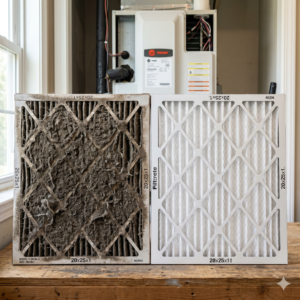
A clogged filter restricts airflow. This leads to:
- Reduced cooling efficiency
- Higher energy consumption
- Short cycling (frequent on/off operation)
- Increased strain on fan motor and compressor
- Unpleasant odors due to moisture retention
Over time, airflow restriction can cause overheating and increase the likelihood of component failure. Proper filter cleaning improves airflow, stabilizes operation, and helps reduce the frequency of repair needs.
Filtration Ratings and Airflow Resistance
Filters come with different filtration ratings (often referred to as MERV ratings). Higher ratings capture smaller particles but may increase airflow resistance.
- Low rating: Less resistance, less filtration.
- Medium rating: Balanced filtration and airflow.
- High rating: Better particle capture, higher resistance.
Using a filter with too high a rating for your system may reduce airflow and increase maintenance frequency. Balance is important.
Signs Cleaning Is No Longer Effective
Sometimes cleaning is not enough. Replace the filter if you notice:
- Permanent discoloration
- Warped frame
- Torn mesh or cracks
- Air bypass around edges
These signs indicate structural damage. Continued use risks unfiltered air entering the system.
Creating a Practical Maintenance Schedule
Filter cleaning should not be a one-time fix. Frequency depends on lifestyle factors:
- Homes with pets require more frequent cleaning.
- Dusty environments need shorter intervals.
- Allergy-sensitive households benefit from consistent routine.
- Heavy AC usage during peak seasons requires closer monitoring.
A simple habit is checking the filter monthly and cleaning when needed rather than waiting for visible performance drop.
When Professional Support Is Necessary
If airflow remains weak after proper filter cleaning, deeper issues may exist. These can include coil contamination, duct blockage, refrigerant imbalance, or mechanical faults.
At Bio On Air, we address AC performance issues through proper inspection, cleaning guidance, and safe repair procedures. Ignoring airflow problems can reduce indoor air quality, increase energy consumption, and accelerate component wear. Acting early helps protect comfort and system lifespan. You can use the WhatsApp or Call button at the top right of this page to discuss your AC condition with our team.
Conclusion
ac cleaning filter is a simple but powerful maintenance step. Identifying the correct filter type, cleaning it safely, and maintaining overlooked zones significantly improves airflow and system stability. When combined with proper routine and awareness of warning signs, filter cleaning becomes part of long-term AC health rather than a temporary fix.
- Identify disposable vs reusable filters before washing
- Always dry filters completely to prevent mold growth
- Clean surrounding intake areas for full effectiveness
- Replace filters showing structural damage
- Turn filter cleaning into a routine based on lifestyle and usage