




Planning air conditioning installation residential work can feel overwhelming for many homeowners. You may be worried about choosing the wrong system size, paying more than necessary, or ending up with an installation that looks fine on day one but causes high energy bills and comfort problems later. This guide is designed to walk you through the full scope of residential air conditioning installation in a clear, practical way—so you understand sizing, system options, cost structure, installer quality, installation-day expectations, and how to compare contractors with confidence.
Table of Contents
ToggleUnderstanding Right-Sizing for Residential Air Conditioning
One of the most common mistakes in residential air conditioning installation is choosing a system that is too large for the home. Many homeowners assume that a bigger AC unit means faster cooling and better comfort. In reality, oversizing often creates more problems than it solves.
Right-sizing means selecting an air conditioning system that matches your home’s actual cooling needs. This is determined through a load calculation, which considers factors such as:
- Home size and layout
- Ceiling height
- Insulation quality
- Window size, type, and orientation
- Number of occupants
- Typical usage patterns
A properly sized system runs longer cycles at lower strain, which improves temperature stability, humidity control, and energy efficiency. Oversized systems, on the other hand, cool the space too quickly and shut off repeatedly. This short cycling leads to uneven temperatures, higher wear on components, and increased electricity consumption.
Load calculation and tonnage guidance are essential steps in responsible residential installation. If a contractor recommends a system size without measuring or asking detailed questions about your home, that is a strong warning sign.
Why Bigger Systems Are Not Always Better
The belief that “bigger is better” is one of the biggest pain points homeowners face after installation. Oversized AC systems often:
- Fail to remove humidity properly
- Create hot and cold spots
- Increase energy bills
- Reduce system lifespan due to frequent on-off cycling
In residential environments, comfort depends on steady operation rather than raw power. A correctly sized system maintains a consistent indoor temperature and healthier air quality, while also operating more quietly.
Educating homeowners about sizing is a key part of professional air conditioning installation residential work. It ensures that decisions are based on performance and efficiency, not assumptions.
Overview of Residential Air Conditioning System Options
Residential air conditioning is not a one-size-fits-all solution. Different homes require different systems based on layout, usage needs, and long-term efficiency goals. Understanding the main system categories helps you evaluate recommendations more clearly.
Central Air Conditioning Systems
Central air systems are common in homes with existing ductwork. They use a single outdoor unit and distribute cooled air through ducts to multiple rooms.
Central systems are suitable for:
- Homes with established duct networks
- Whole-house cooling needs
- Consistent temperature preferences across rooms
However, duct condition plays a major role in performance. Leaky or poorly designed ducts can reduce efficiency and comfort significantly.
Ductless (Mini-Split) Systems
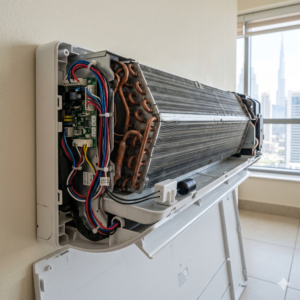
Ductless systems consist of an outdoor unit connected to one or more indoor units. Each indoor unit cools a specific zone.
Ductless configurations are ideal for:
- Homes without existing ducts
- Room additions or renovations
- Zoned cooling preferences
They allow more control over individual rooms and often provide higher efficiency, especially in homes with varied usage patterns.
Heat Pump Solutions
Heat pumps provide both cooling and heating using the same system. They are increasingly popular in residential applications due to energy efficiency.
Heat pump systems are suitable for:
- Homes seeking year-round climate control
- Energy-conscious households
- Moderate heating and cooling demands
Choosing the right system type depends on home layout, insulation quality, climate, and how each space is used daily.
How Home Layout and Usage Affect System Selection
A key part of air conditioning installation residential planning is understanding how your home is actually used. Two homes with the same size can require different systems.
Factors that influence system choice include:
- Open-plan versus compartmentalized layouts
- Rooms used frequently versus occasionally
- Daytime versus nighttime occupancy
- Work-from-home usage patterns
For example, homes with large open spaces may benefit from central systems, while homes with bedrooms used at different times may perform better with zoned or ductless solutions.
Understanding Residential Installation Cost Structure
Cost is one of the biggest concerns for homeowners planning air conditioning installation residential projects. Instead of focusing on a single number, it helps to understand how costs are structured.
Residential AC installation costs generally include:
- Equipment cost
- Labor cost
- Modification or preparation work
- Testing and commissioning
Equipment cost depends on system type, capacity, and efficiency rating. Labor cost reflects installation complexity, not just time spent.
Modifications may include electrical upgrades, duct adjustments, mounting structures, or drainage work. These are often necessary to ensure safe and efficient operation.
Professional installers should explain these components clearly instead of offering a single bundled price without breakdown.
Efficiency Considerations and Long-Term Cost Impact
Energy efficiency is a critical part of residential air conditioning decisions. Higher-efficiency systems usually cost more upfront, but they can reduce long-term operating costs significantly.
Efficiency considerations include:
- Energy efficiency ratings
- Inverter versus fixed-speed technology
- System compatibility with home insulation
For homeowners planning long-term occupancy, balancing upfront investment with energy savings often results in better overall value.
Installer Evaluation Checklist for Homeowners
Choosing the right installer is just as important as choosing the right system. A professional residential installer should meet clear standards.
When comparing contractors, consider whether they:
- Perform on-site inspections before quoting
- Explain sizing and system choice clearly
- Carry proper insurance and permits
- Use trained technicians instead of temporary labor
- Provide written scope and warranty details
Red flags include quotes given without inspection, pressure to oversize systems, unclear labor responsibility, or vague warranty explanations.
What to Expect on Installation Day
Understanding installation day steps reduces stress and helps homeowners prepare properly.
A professional air conditioning installation residential process usually includes:
- Homeowner preparation and access confirmation
- Removal of old equipment (if applicable)
- Mounting and positioning of new units
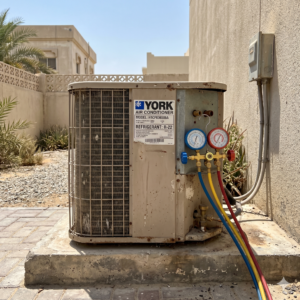
- Electrical and refrigerant connections
- System evacuation and pressure testing
- Final testing and performance checks
Installers should walk homeowners through basic operation and maintenance guidance before leaving.
Balancing Upfront Cost and Long-Term Savings
One of the hardest decisions in residential installation is choosing between lower upfront cost and higher long-term efficiency.
Lower-cost systems may seem attractive initially, but they can result in higher electricity bills, more frequent repairs, and shorter system lifespan.
Higher-efficiency systems often provide:
- Lower monthly energy costs
- More consistent comfort
- Reduced strain on components
Evaluating total ownership cost instead of purchase price alone helps homeowners make more confident decisions.
Using a Comparison Worksheet to Evaluate Contractors
A practical way to choose the right installer is to compare multiple quotes using a structured worksheet.
A simple comparison worksheet can include:
- Proposed system type and size
- Efficiency rating
- Scope of work included
- Installation timeline
- Warranty and after-installation support
This approach helps you see beyond price and focus on value, quality, and long-term reliability.
When Professional Residential Installation Matters Most
Air conditioning installation residential work is not just about placing a unit and turning it on. Poor installation can lead to energy waste, discomfort, and early system failure.
Professional installation ensures that sizing, airflow, electrical safety, and efficiency are all aligned with your home’s real needs. It also reduces the risk of expensive corrections later.
Conclusion
Residential air conditioning installation is a long-term investment in comfort, health, and energy efficiency. Understanding right-sizing, system options, cost structure, installer quality, and installation-day expectations helps homeowners avoid common mistakes and unnecessary expenses.
By focusing on proper evaluation instead of quick decisions, you gain confidence in your choice and ensure that your system performs reliably for years. In residential settings, informed planning and professional execution are the keys to consistent comfort and lower long-term costs.