




AC installation and service decisions often come at moments of uncertainty: your system struggles to cool, repairs feel repetitive, energy bills creep up, or you are unsure whether fixing the unit again is still worth it. In a climate like the UAE, where air conditioning is essential, understanding when to repair, when to replace, and how proper installation and service should be handled is critical for comfort, health, and long-term cost control.
Table of Contents
ToggleUnderstanding the Repair vs Replace Decision for AC Systems
One of the most common questions homeowners and property managers face is whether to continue repairing an existing AC unit or invest in a new installation. This decision should never be based on guesswork or pressure. A clear framework helps you evaluate the situation logically.
Unit Age and Expected Lifespan
Age is one of the strongest indicators. Most residential AC systems are designed to perform reliably for a certain number of years when properly maintained. As a unit approaches the later stage of its lifespan, components naturally wear down, efficiency declines, and failures become more frequent.
If your AC is relatively new and has been serviced regularly, repair is often the sensible option. However, if the system is older and experiencing recurring issues, replacement may be more practical than continuing to invest in temporary fixes.
Repair Frequency and Pattern of Failures
Occasional repairs are normal. Repeated repairs for similar symptoms are not. If the same issues keep returning—such as refrigerant loss, electrical faults, or airflow problems—it often indicates a deeper system-level issue.
In these cases, repairing individual components may not restore long-term reliability. A proper assessment should look at the pattern, not just the latest breakdown.
Efficiency Improvement Potential
Older AC units typically consume more electricity to deliver the same cooling. Even when repaired, they may struggle to operate efficiently under heavy use.
Newer systems are designed with improved efficiency standards, better airflow control, and smarter temperature regulation. If replacement can significantly reduce energy consumption, the long-term savings may outweigh the initial investment.
Refrigerant Viability
Refrigerant type is a practical but often overlooked factor. Some older systems rely on refrigerants that are no longer widely supported or are more expensive to maintain.
If a system uses a refrigerant that is difficult to source or environmentally restricted, repairs involving refrigerant can become costly and impractical. In such cases, replacement may offer better long-term stability.
A Transparent AC Installation Process Explained Step by Step
Proper AC installation is not just about placing a unit and turning it on. A structured process ensures safety, performance, and compliance.
Load Calculation and System Sizing
Before installation begins, the cooling load must be calculated. This step determines the correct system capacity based on room size, insulation, layout, occupancy, and heat sources.
Oversized systems can short-cycle and waste energy. Undersized systems struggle to cool effectively. Accurate load calculation is essential to avoid both problems.
Pre-Installation Preparation
Preparation includes inspecting the installation area, checking electrical capacity, planning drainage routes, and assessing airflow pathways.
This stage ensures that installation day proceeds smoothly and that the system integrates correctly with the building.
Installation Day Workflow
On installation day, a professional team follows a clear sequence:
- Safe removal of old equipment if applicable
- Mounting and securing indoor and outdoor units
- Electrical connections and grounding
- Refrigerant line installation and insulation
- Drainage setup for moisture control
Each step is performed carefully to prevent vibration, noise, leaks, and long-term wear.
Testing and Commissioning
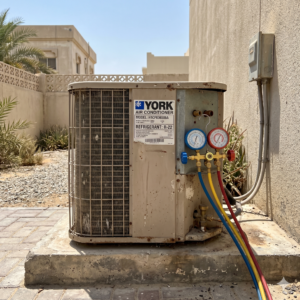
After installation, the system must be tested under operating conditions. This includes checking temperature output, airflow balance, refrigerant pressure, electrical stability, and drainage performance.
Testing confirms that the system performs as designed before handover.
Permits and Code Compliance
Proper installation respects local regulations and building codes. This protects homeowners from safety risks and future compliance issues.
Code compliance is especially important in commercial and multi-unit properties where inspections may be required.
What a Proper AC Service Visit Should Include
AC service is more than a quick check or surface cleaning. A proper service visit follows a structured checklist so performance, safety, and air quality are addressed.
Refrigerant Diagnostics
Technicians should assess refrigerant levels, pressure balance, and signs of leakage. Simply adding refrigerant without diagnosis is not proper service.
Electrical Safety Checks
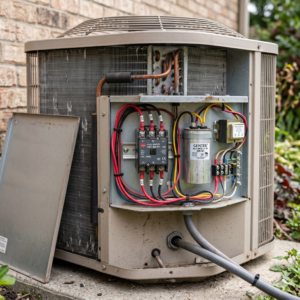
Electrical components are inspected for loose connections, wear, overheating, and control integrity. This reduces the risk of sudden failure or safety hazards.
Drainage and Moisture Control
Drain lines, pans, and moisture pathways are checked and cleared. Poor drainage can lead to water leaks, mold growth, and indoor air quality issues.
Airflow Verification
Airflow must be measured and balanced. Blocked or uneven airflow reduces comfort and strains the system.
Coil and Component Cleanliness
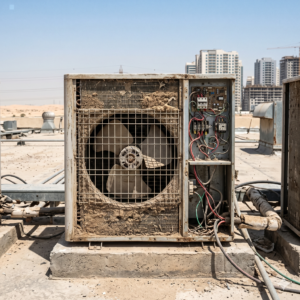
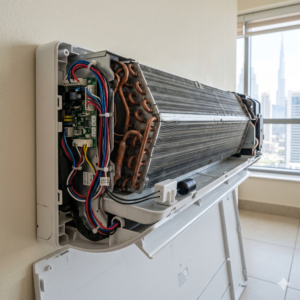
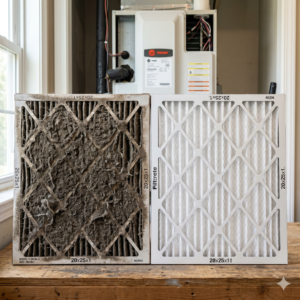
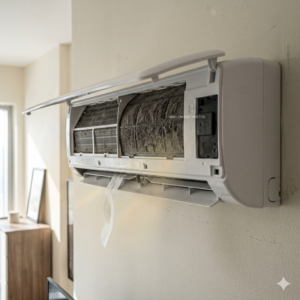
Clean coils allow efficient heat exchange. Dirt buildup forces the system to work harder, increasing energy use and wear.
A homeowner should be able to ask what was checked and understand the answers clearly.
Understanding Cost Logic Without Chasing Exact Prices
One of the biggest concerns around AC installation and service is cost. Instead of focusing on exact figures, it is more helpful to understand how costs are structured.
Routine Service Costs
Routine service typically covers inspection, cleaning, and minor adjustments. Costs are influenced by system type, accessibility, and service scope.
Repair Costs
Repair costs vary based on component type, labor complexity, and parts availability. Minor issues differ greatly from major component repairs.
Installation Costs
Installation costs are influenced by system capacity, building layout, electrical requirements, ducting complexity, and compliance needs.
Understanding these categories helps homeowners evaluate quotations logically rather than comparing numbers alone.
Evaluating Maintenance Memberships and Service Plans
Many providers offer maintenance memberships or annual service plans. These programs can be beneficial, but they should be evaluated carefully.
Potential Benefits
- Priority service during peak seasons
- Scheduled inspections and preventive care
- Extended equipment protection through early issue detection
Things to Consider
Recurring fees should be weighed against actual service value. A good plan provides clarity on what is included and how often visits occur.
Memberships make sense when they reduce emergency repairs and help maintain efficiency over time.
Consumer Protection and Common Red Flags to Watch For
Understanding warning signs protects you from rushed or substandard AC installation and service practices.
Red Flags During Installation
- No load calculation or system sizing discussion
- Skipping testing or commissioning
- Ignoring drainage and airflow planning
Red Flags During Service Visits
- Adding refrigerant without diagnosis
- No explanation of findings
- Rushing through checks without verification
Professional work is transparent and methodical. If steps are skipped, performance and safety can suffer.
When to Seek Professional Support Early
Delaying decisions around AC installation and service often increases risk. Small inefficiencies turn into larger failures, and poor air quality can affect health.
Bio On Air supports homeowners and businesses by providing clear assessments, proper installation practices, and structured service visits that prioritize safety, efficiency, and indoor air quality. Addressing issues early is a preventive step that protects comfort and long-term costs. For initial discussions or clarification, you can use the WhatsApp or Call button at the top right of this page to speak with our team.
Conclusion
AC installation and service decisions shape comfort, air quality, and energy efficiency for years. By using a clear repair-versus-replace framework, understanding what proper installation and service involve, and recognizing cost logic and consumer protections, homeowners gain control over outcomes rather than reacting to breakdowns.
A well-installed and properly serviced AC system runs more efficiently, lasts longer, and delivers healthier indoor air. Taking the time to understand the process—and choosing providers who follow it—turns AC installation and service from a recurring problem into a stable, long-term solution.