




Searching for duct cleaning Seattle often starts with a simple concern—dusty air, lingering odors, or allergy symptoms—but in Seattle’s damp climate, the reasons usually run deeper. Year-round moisture, long periods of closed homes, seasonal pollen, and even wildfire smoke all contribute to condensation inside ductwork, mold risk, and trapped fine particles that keep recirculating. This guide focuses on Seattle-specific realities and trust signals so you can choose a duct cleaning provider that addresses moisture, housing type, seasonality, and indoor air quality properly—not just a quick surface clean.
Table of Contents
Toggle#1 Start With Seattle’s Climate Reality: Moisture, Condensation, and Mold Risk
Seattle’s marine climate brings persistent humidity, cool temperatures, and frequent rain. While homes are well insulated, moisture still finds its way into HVAC systems through condensation—especially during shoulder seasons when heating cycles are short and intermittent.
Inside ducts, this moisture can:
- Create ideal conditions for mold growth on dust-lined surfaces
- Cause musty odors that return even after room cleaning
- Bind fine particles to duct walls, making them harder to remove
A trustworthy duct cleaning Seattle provider should talk openly about moisture management, not just dust removal. Ask how they assess condensation points, how they prevent cross-contamination during cleaning, and whether they recommend follow-up steps (like filtration or humidity control) if moisture is a recurring issue.
#2 Match the Service to Your Home Type: Older Craftsman vs Newer Urban Builds
Seattle’s housing stock is diverse, and duct cleaning needs vary significantly by home type.
Older Craftsman and mid-century homes often have:
- Decades of accumulated debris, pet dander, and construction residue
- Long duct runs with older materials that trap odors
- Historic renovations layered over original systems
In these homes, superficial cleaning rarely solves odor or allergy complaints. A full, system-wide approach is usually necessary.
Newer townhomes and condos commonly face different issues:
- Post-construction dust (drywall, sawdust, insulation fibers)
- Fine particulate that settles quickly after move-in
- Tightly sealed envelopes that trap pollutants indoors
A reliable duct cleaning Seattle company will ask about your home’s age, renovation history, and occupancy before recommending a scope of work. If they offer the same “one-size” service to every home, that’s a red flag.
#3 Use Seasonality to Your Advantage When Booking
Timing matters in Seattle. Booking duct cleaning around key seasonal triggers can make a noticeable difference in results.
Spring (pollen season): Tree and grass pollen levels peak, and ducts can act as reservoirs that redistribute allergens. Cleaning before or during this period can reduce indoor exposure.
Late summer to early fall (post-smoke events): Wildfire smoke has become more common in the Pacific Northwest. Fine particulates can enter homes and settle in ductwork. A thorough cleaning after smoke events helps prevent recirculation.
Early fall (pre-heating season): Cleaning before heating systems run continuously helps prevent odors and improves airflow efficiency during colder months.
Ask providers how they adjust their process for seasonal conditions—especially smoke residue and pollen—rather than offering generic scheduling advice.
#4 Look for Eco-Conscious, Non-Toxic Approaches That Protect Indoor Air
Seattle residents often prioritize environmental responsibility and indoor air quality. Duct cleaning should align with these values.
Key eco-conscious expectations include:
- Non-toxic, low-odor cleaning methods
- Containment practices that prevent dust release into living spaces
- HEPA-filtered equipment to capture fine particles
A quality duct cleaning Seattle service should explain how they protect indoor air during cleaning—not just after. Avoid providers that rely heavily on harsh chemicals or vague “fogging” without clear justification.
There are also energy-efficiency benefits: cleaner ducts can support better airflow, reduce strain on heating systems, and align with Seattle’s focus on responsible energy use—without promising unrealistic savings.
#5 Know the Warning Signs of “Blow-and-Go” Services
One of the biggest risks when searching for duct cleaning Seattle is encountering low-quality “blow-and-go” operations. These services often rely on coupons and fast turnaround rather than thorough work.
Common warning signs include:
- Very short service times for entire homes
- No inspection of main trunks, returns, or registers
- Limited or handheld equipment without negative-pressure systems
- Reluctance to explain process steps
In contrast, professional Seattle-standard duct cleaning typically takes several hours, depending on home size and complexity. Providers should be clear about realistic duration and scope.
#6 Ask About Equipment Standards, Certifications, and Process Transparency
Professional duct cleaning is equipment-intensive. In Seattle’s environment—where moisture and fine particulates are common—standards matter.
Trust signals to look for:
- High-powered negative-pressure vacuums (truck-mounted or equivalent)
- Mechanical agitation tools designed for different duct materials
- Technicians trained specifically in HVAC hygiene
- Clear explanation of each step, from setup to final inspection
While certifications alone do not guarantee quality, reputable providers should be able to explain their training and standards without hesitation.
#7 Verify Local Service Area Knowledge by Neighborhood
Seattle is not uniform. Neighborhoods differ in housing age, density, and environmental exposure.
A locally experienced duct cleaning Seattle provider should understand:
- Older housing clusters with long-standing duct issues
- Urban cores with post-construction dust concerns
- Areas more affected by traffic pollution or smoke drift
Clear service area communication builds trust. Be cautious if a provider cannot clearly state where they operate or seems unfamiliar with local housing patterns.
Other Important Considerations for Duct Cleaning in Seattle
Wildfire Smoke Residue and Fine Particulate Buildup
Wildfire smoke introduces extremely fine particles that standard surface cleaning cannot remove. These particles can lodge deep in ductwork and re-enter living spaces long after outdoor air clears.
A professional approach addresses:
- Deep duct surfaces where smoke particles settle
- Filters and returns that trap fine residue
- Containment to prevent re-distribution during cleaning
Ask specifically how smoke-related buildup is handled, especially if your home was closed during smoke events.
Pricing Expectations Without Shortcuts
Costs for duct cleaning in Seattle vary based on home size, duct complexity, contamination level, and access. Be cautious of unusually low prices that do not reflect the work involved.
Rather than focusing on numbers upfront, look for:
- Clear explanation of what the service includes
- Inspection-based recommendations
- Transparency about what is and is not covered
Reputable providers will explain pricing after understanding your system and will tell you the price clearly before work begins.
How to Reduce the Need for Frequent Duct Cleaning
While duct cleaning can be valuable, it should not be needed constantly. To reduce buildup:
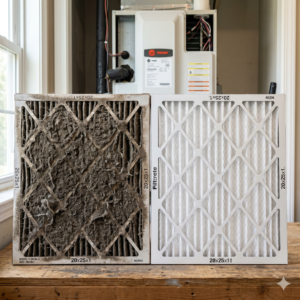
- Change HVAC filters regularly
- Address moisture and condensation early
- Vent bathrooms and kitchens properly
- Schedule inspections after major renovations or smoke events
These steps help maintain cleaner ducts and better indoor air quality over time.
When Duct Cleaning Should Be Taken Seriously
In Seattle’s damp and increasingly smoke-affected environment, duct cleaning is not just about cleanliness—it is about managing moisture, protecting indoor air, and preventing long-term buildup that affects comfort and health. When done properly, it supports better airflow, fresher air, and a more comfortable home. Acting at the right time, with the right provider, helps avoid repeated issues and unnecessary expense.
Conclusion
Choosing the right service for duct cleaning Seattle requires looking beyond coupons and quick promises. Seattle’s climate, housing diversity, and seasonal challenges demand a thoughtful, professional approach. A reliable provider understands moisture and condensation, adapts to older and newer homes, plans around pollen and smoke seasons, and uses proper equipment to protect indoor air quality.
By focusing on local relevance, realistic service standards, and clear communication, you can avoid superficial cleaning and invest in results that actually improve your home environment. In a region where homes stay closed for long periods and air quality matters year-round, informed decisions make all the difference.