




The air duct return is one of the most misunderstood parts of an HVAC system. Many people focus on supply vents because that is where cool or warm air comes out, but the return is what allows air to circulate properly. When return airflow is blocked, restricted, dirty, or poorly designed, comfort drops, energy use increases, and the AC system works much harder than it should. This guide explains how air duct returns work using simple airflow logic, why common problems happen, what you can safely check yourself, and when it makes sense to call a professional.
Table of Contents
ToggleWhat an Air Duct Return Actually Does
An air duct return pulls air from your rooms back into the HVAC system. That air passes through a filter, then goes to the blower and cooling or heating components before being sent back out through supply vents.
Think of your HVAC system as a loop, not a one-way pipe. Supply vents push air out, but returns pull air back in. If the return side is restricted, the loop breaks.
When the return works properly:
- Air circulates evenly throughout the space
- Temperature stays balanced from room to room
- The blower runs smoothly without strain
- Energy use stays closer to what the system was designed for
When the return is blocked, dirty, noisy, or undersized, the system cannot “breathe” properly, even if the AC unit itself is in good condition.
How Return Airflow Affects Comfort and Energy Efficiency
Comfort problems often blamed on the AC unit are actually return-air problems. Understanding basic airflow logic helps explain why.
If the air duct return is restricted, less air makes it back to the system. The blower still tries to pull air, creating negative pressure in rooms. This leads to several issues:
- Hot or cold spots in different rooms
- Longer run times to reach the thermostat setting
- Higher electricity bills
- Increased wear on the blower motor
In cooling mode, restricted return airflow means warm room air is not removed efficiently. The system keeps running, trying to compensate, which raises energy use.
In heating mode, the same restriction can cause uneven warmth and discomfort, even when the heater is working correctly.
Why Blocking or Covering Returns Causes Problems
One of the most common mistakes homeowners make is blocking an air duct return without realizing it.
Returns are often covered by:
- Sofas, cabinets, or bookshelves
- Curtains or drapes
- Decorative panels or solid covers
- Temporary storage items
Blocking a return does not just reduce airflow in one room. It affects the entire system.
When a return is covered, the blower has to pull air from other gaps, cracks, or rooms. This can cause:
- Whistling or loud airflow noise
- Pressure imbalance when doors are closed
- Dust being pulled from unwanted places
Even partial blockage can create noticeable comfort issues and higher operating costs.
Common Signs of Air Duct Return Problems
Return issues often show up in subtle ways. Recognizing the signs early can prevent bigger problems.
Why the Return Is Loud or Whistling
A loud or whistling air duct return usually means airflow is restricted.
Common causes include:
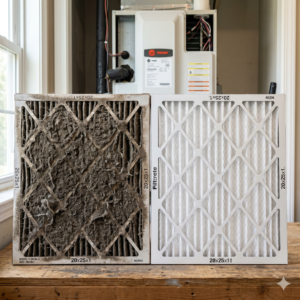
- A dirty or overly restrictive filter
- A return grille that is too small
- Furniture or coverings blocking airflow
- Ductwork that is undersized or poorly designed
The noise happens because air is being forced through a narrow opening at high speed.
Why the Return Looks Dirty or Has Dark Dust Marks
Dark dust marks around a return grille are very common and often misunderstood.
This usually happens because:
- Air is pulled in at higher velocity
- Dust sticks to the grille edges and nearby wall surface
- Filters are not capturing fine particles effectively
These marks do not always mean the system is “dirty inside,” but they do indicate strong airflow and surface dust accumulation.
Why the Return Smells or Feels Musty
Odors near the return can come from:
- Dirty filters
- Dust buildup inside the return duct
- Moisture problems in the system
If smells persist after basic cleaning, deeper inspection may be needed.
Simple Airflow Checks Homeowners Can Do Safely
You do not need special tools to check basic return airflow.
Here are safe, simple checks:
- Hand test: Hold your hand near the return grille. You should feel steady suction.
- Tissue test: A light tissue should stick gently to the grille when held near it.
- Visual clearance check: Make sure at least a clear space exists around the return.
- Door test: Close doors and notice if airflow noise changes dramatically.
If airflow seems weak or noisy changes occur when doors close, it may indicate imbalance.
Understanding Filters and Where They Are Located
Filters are often associated with the return side of the system.
Depending on the setup, filters may be located:
- Behind the return grille
- Inside a return plenum
- At the indoor unit itself
Knowing where your filter is located is essential for proper maintenance.
Choosing the Right Filter Without Stressing the System
More filtration is not always better.
Filters with very high filtration ratings can restrict airflow if the system is not designed for them. This can:
- Increase return noise
- Reduce airflow
- Increase blower strain
A balanced approach works best:
- Use filters recommended for your system
- Replace them regularly instead of oversizing filtration
- Avoid stacking multiple filters
If indoor air quality is a concern, improving filtration should be done with airflow capacity in mind.
Safe Cleaning Methods for Air Duct Returns
Cleaning should remove dust, not redistribute it.
Safe steps include:
- Turning off the system before cleaning
- Vacuuming the grille with a brush attachment
- Wiping surfaces with a damp cloth
- Avoiding aggressive brushing inside ducts
Spraying chemicals or blowing air into the duct can push dust deeper into the system.
Aesthetic and Interior Design Considerations
Many people want air duct returns to look better without harming performance.
Repainting and Wall Finishes
Repainting around a return is usually safe, but paint should not clog grille openings.
Decorative Grilles
Decorative return grilles can improve appearance, but they must allow equal or greater airflow than the original.
What Not to Do
Avoid:
- Solid covers
- Fabric panels
- Furniture placed tightly against returns
Visual upgrades should never reduce airflow.
Placement, Room Pressure, and Door-Closing Myths
Return placement affects room pressure.
When doors close in rooms without a return path:
- Pressure builds up
- Supply airflow decreases
- Rooms feel warmer or colder
This is not a myth. It is basic airflow physics.
Solutions may include:
- Door undercuts
- Transfer grilles
- Additional return paths
Uneven Temperature and Return Air Balance
If one room is always warmer or cooler, the return system may not be balanced.
Common reasons include:
- Returns located too far from problem rooms
- Insufficient return capacity
- Blocked or dirty returns
Balancing airflow often solves comfort complaints without replacing equipment.
When DIY Adjustments Are Enough
DIY actions are appropriate when:
- Returns are visibly blocked
- Filters are dirty or overdue
- Furniture placement is the main issue
These changes can immediately improve comfort.
When to Adjust Habits Instead of the System
Sometimes behavior causes the problem.
Examples include:
- Closing too many doors
- Covering returns for aesthetic reasons
- Ignoring filter replacement schedules
Adjusting habits can restore airflow without technical work.
When to Call a Professional
Professional inspection is recommended when:
- Returns remain noisy after basic fixes
- Rooms stay uncomfortable despite clear airflow
- Dust or odor problems persist
- The system shows signs of blower strain
A professional can assess airflow, duct sizing, placement, and overall system balance, then explain options clearly before any work is done.
Conclusion
The air duct return plays a critical role in comfort, efficiency, and system health. Many AC problems are not caused by the equipment itself, but by restricted or poorly managed return airflow. Understanding how returns work, keeping them clean and unobstructed, choosing the right filters, and respecting airflow design can dramatically improve comfort and reduce energy use.
By knowing what you can safely check yourself and when to seek professional help, you avoid unnecessary stress, higher bills, and long-term damage. A well-functioning return system allows your HVAC system to breathe properly, delivering consistent comfort and healthier indoor air throughout your space.