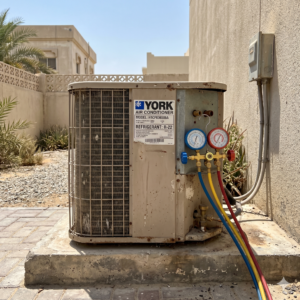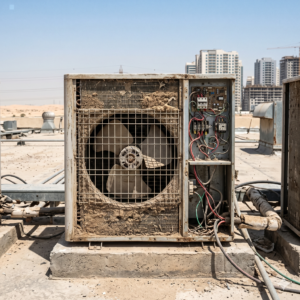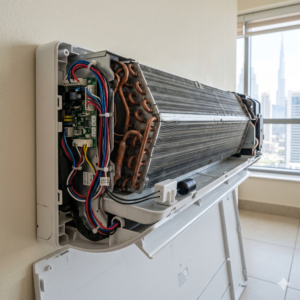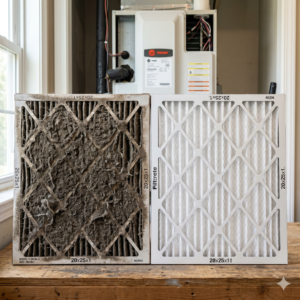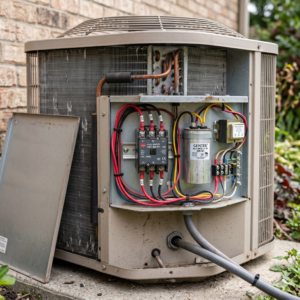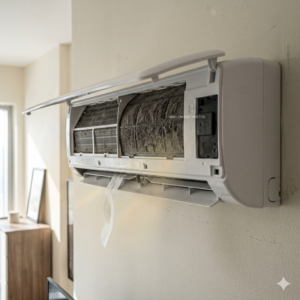





Searching for ac service and duct cleaning usually means something feels off in your home or workplace. The AC may still be running, but cooling feels weaker, the air smells unusual, dust keeps coming back quickly, or energy bills rise without a clear reason. In many cases, the real problem is not just the AC unit itself or the ducts alone, but the hidden connection between how both systems work together. Understanding this connection helps you avoid unnecessary upsells, protect your indoor air quality, and make smarter decisions that save money over time.
Table of Contents
ToggleThe Hidden Connection Between AC Efficiency and Air Quality
Your AC system and air ducts function as one ecosystem. The AC unit cools the air, while the duct system distributes that air throughout your space. If one part is compromised, the entire system suffers.
When ducts are dirty, airflow becomes restricted. The AC has to work harder to push air through dust buildup, debris, or microbial contamination. This extra effort reduces efficiency, increases energy consumption, and puts stress on components such as fans and compressors.
At the same time, a poorly serviced AC unit can introduce moisture problems. Condensation from coils can combine with dust inside ducts, creating an environment where mold and bacteria thrive. This is why ac service and duct cleaning are often most effective when done together rather than separately.
Think of it this way: servicing the AC without addressing dirty ducts is like washing a tap but ignoring rusty pipes. The output may improve briefly, but the underlying issue remains.
Clear Signs That Duct Cleaning Is Actually Needed
One major concern homeowners have is being pushed into duct cleaning when it is not necessary. Not every home needs frequent duct cleaning, and understanding the real indicators helps you avoid unnecessary services.
Legitimate signs that duct cleaning may be needed include:
- Persistent dust: dust returns quickly after cleaning surfaces.
- Unusual smells: musty, moldy, or stale odors when the AC runs.
- Visible debris: dust buildup around vents or inside accessible duct sections.
- Uneven airflow: some rooms feel stuffy while others cool normally.
- Recent renovation: construction dust often settles inside ducts.
On the other hand, duct cleaning is often oversold when there are no air quality complaints, no visible dust issues, and no airflow imbalance. A trustworthy provider will inspect first and explain whether cleaning is necessary instead of automatically recommending it.
You can learn what professional duct cleaning should realistically include by reviewing a structured AC duct cleaning service overview, which focuses on inspection-driven decisions rather than blanket recommendations.
How AC Service Supports Duct Cleaning Results
Duct cleaning alone cannot fix cooling or air quality problems if the AC unit itself is neglected. Proper AC service ensures that the air entering the duct system is clean, dry, and efficiently cooled.
A complete AC service typically addresses:
- Filter condition and airflow resistance
- Evaporator and condenser coil cleanliness
- Drain line condition to prevent moisture buildup
- Fan performance and airflow balance
When these elements are ignored, newly cleaned ducts can quickly become contaminated again. That is why combining duct cleaning with proper AC servicing leads to longer-lasting results and better system performance.
For an overview of how structured servicing works, you can refer to professional AC service and maintenance programs, which focus on both performance and prevention.
Cost Versus Value Perspective Without Chasing Cheap Prices
Many people approach ac service and duct cleaning by asking one question first: how much does it cost? While cost matters, focusing only on the cheapest option often leads to poor outcomes.
A better way to think about value is to consider:
- Energy efficiency: clean ducts and serviced AC units reduce strain and lower electricity usage.
- System longevity: reduced wear helps major components last longer.
- Preventive savings: early cleaning and servicing prevent expensive breakdowns.
Instead of asking for exact numbers upfront, a more practical approach is to ask the provider to tell the price after inspection. This ensures the cost reflects actual needs rather than a generic package.
Well-structured service pricing is usually more economical in the long term because it reduces repeat visits and emergency repairs.
Realistic DIY Versus Professional Boundaries
Homeowners often wonder what they can safely handle themselves and where professional help is necessary.
Safe DIY actions usually include:
- Replacing or cleaning AC filters regularly
- Keeping vent covers free from visible dust
- Ensuring furniture does not block airflow
However, professional equipment is required for:
- Internal coil cleaning
- Deep duct cleaning beyond reachable sections
- Sanitization and anti-microbial treatments
- Performance testing and airflow measurement
Attempting deep cleaning without proper tools can damage ducts or spread contaminants further into the system. Knowing where DIY ends helps avoid costly mistakes.
Red Flags That Should Not Be Ignored
Certain symptoms indicate that simple filter changes are not enough and that deeper inspection is required.
Key red flags include:
- Unusual or worsening smells when the AC starts
- Rattling or whistling sounds from ducts
- Recurring dust despite frequent cleaning
- Allergy symptoms that improve when leaving the space
Ignoring these signs often leads to gradual deterioration of air quality and system performance.
What a Proper AC Service and Duct Cleaning Process Includes
A professional service process should never feel rushed or vague. Proper ac service and duct cleaning usually follows clear stages.
Inspection phase:
- Visual check of AC unit and accessible ducts
- Assessment of airflow and dust levels
- Identification of moisture or mold risk
Service and cleaning phase:
- AC servicing including coils, filters, and drains
- Duct cleaning using controlled suction and agitation
- Targeted sanitization if required
Post-cleaning checks:
- Airflow verification
- System performance confirmation
- Explanation of findings and next steps
This structured approach ensures that results are measurable and not just cosmetic.
Health Considerations You Should Take Seriously
Indoor air quality directly affects health, especially for children, elderly residents, and people with allergies or respiratory conditions.
Dust, mold spores, and allergens circulated through dirty ducts can cause:
- Chronic sneezing or coughing
- Eye and throat irritation
- Fatigue or headaches indoors
Combining AC service with duct cleaning reduces these risks by addressing both temperature control and air cleanliness. For spaces with persistent odor or contamination concerns, hygiene-focused solutions such as AC deep cleaning may be recommended as part of a broader approach.
Recommended Service Frequency for Long-Term Performance
There is no one-size-fits-all schedule, but general guidance helps maintain balance between cost and performance.
- AC servicing: typically once or twice a year, especially before peak summer.
- Duct inspection: annually to assess dust and airflow condition.
- Duct cleaning: when signs appear or every few years depending on usage and environment.
Homes with pets, high occupancy, or recent renovations may require more frequent attention.
A Practical Pre-Hiring Checklist for Homeowners
Before hiring any provider for ac service and duct cleaning, asking the right questions protects you from poor results.
- Will you inspect before recommending cleaning?
- What steps are included in the service?
- How do you prevent dust from spreading during cleaning?
- Will you explain findings after the service?
- Can you tell the price after inspection?
Clear answers to these questions indicate professionalism and transparency.
When AC Service and Duct Cleaning Should Be Addressed Properly
AC and air quality problems rarely resolve on their own. When left untreated, they can lead to unhealthy indoor air, inefficient cooling, higher energy use, and gradual system damage. Bio On Air helps address these issues through inspection-based AC service and duct cleaning that work together to restore performance and air quality. Acting early is a preventive step that reduces long-term cost and disruption. You can use the WhatsApp or Call button at the top right of this page to discuss your situation with our team.
Conclusion
Understanding the connection between AC service and duct cleaning helps you make smarter decisions and avoid unnecessary upsells. When both services work together, they improve efficiency, protect indoor air quality, and extend system lifespan. The key is inspection-driven service, clear communication, and knowing when professional equipment is required.
Instead of reacting to discomfort or poor air quality, a balanced approach focused on prevention and proper servicing keeps your space comfortable, healthier, and more cost-effective over time. Choosing the right provider ensures that your AC system supports both cooling performance and clean air, which is the real goal of effective ac service and duct cleaning.