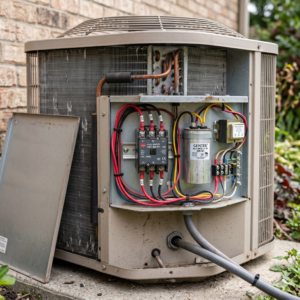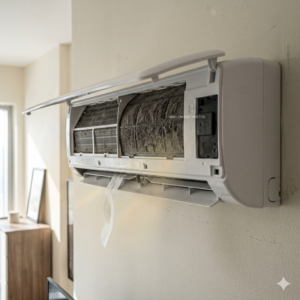





Deciding between hvac repair or replace is one of the most common and confusing questions homeowners and business owners face, especially in hot regions like the UAE where HVAC systems run for long hours almost all year. The pressure usually comes from a sudden breakdown, rising electricity bills, or repeated repairs that no longer feel reasonable. This guide is designed to help you make that decision logically, not emotionally, by breaking down cost, age, performance, reliability, and long-term value so you can judge whether repairing your current system still makes sense or whether replacement is the smarter move.
Table of Contents
ToggleUnderstanding the HVAC Repair or Replace Decision
The repair-or-replace question is rarely black and white. Many people assume replacement is only necessary when a system completely stops working, while others replace too early out of fear of future problems. The reality sits somewhere in between.
An HVAC system is a combination of mechanical, electrical, and airflow components that age at different rates. Some parts can be repaired affordably, while others signal deeper system decline. The goal is not to avoid replacement forever, but to avoid spending large amounts of money on a system that is already near the end of its practical life.
Before comparing numbers, it helps to understand how age, repair cost, energy efficiency, and reliability work together. Looking at only one factor often leads to the wrong decision.
A Simple Cost-Versus-Age Rule to Start Your Decision
A widely used starting point for the hvac repair or replace decision is the cost-versus-age rule. While not perfect, it provides a clear first filter.
The idea is simple: compare the cost of the current repair to the age of your system.
- If your HVAC system is relatively young and the repair cost is modest, repair usually makes sense.
- If the system is older and the repair cost is high, replacement becomes more reasonable.
As a general guideline, if the repair cost starts approaching a significant portion of what a new system would cost, especially on an older unit, that repair is often a warning sign rather than a solution.
This rule works best when combined with other checks, because age alone does not tell the full story. A well-maintained system may perform better at 12 years than a neglected one at 7 years.
Infrastructure Checklist to Evaluate Before Repairing
Before deciding on HVAC repair or replace, it is important to review the system’s infrastructure. This checklist helps reveal whether the system is still a good candidate for repair.
Refrigerant Type
Older HVAC systems may use refrigerants that are no longer common or are being phased out. When refrigerant becomes harder to source, repair costs increase and long-term servicing becomes less practical.
If your system uses an outdated refrigerant, even small leaks can become expensive to fix. In such cases, repeated AC gas refill without addressing long-term availability can be a sign that replacement is approaching.
Frequency of Breakdowns
One repair in several years is normal. Multiple repairs within a short period are not.
Ask yourself:
- Has the system needed repair more than once in the last 12–18 months?
- Are different components failing one after another?
- Do problems return shortly after being fixed?
Frequent breakdowns indicate that wear is spreading across the system, not limited to a single faulty part.
Repair Cost Compared to System Value
As systems age, repair costs often rise while the system’s remaining value drops. Spending heavily on a system with limited remaining lifespan rarely pays off.
This is especially true when repairs involve major components like compressors, fan motors, or control boards. At that point, replacement may offer better long-term reliability.
Side-by-Side Long-Term Cost Comparison
Looking only at upfront cost can be misleading. The real hvac repair or replace decision becomes clearer when comparing long-term costs.
Upfront Spending
Repair usually has a lower immediate cost. Replacement requires higher upfront investment.
However, upfront cost should be weighed against what you receive in return. A new system provides a full reset: new components, new warranty, and improved efficiency.
Ongoing Energy Bills
Older HVAC systems tend to consume more electricity to deliver the same level of cooling. Even if a repair restores function, it does not improve efficiency beyond the system’s original design.
Newer systems are designed to cool more effectively with less energy. Over time, the difference in monthly electricity bills can offset part of the replacement cost.
While exact figures depend on usage and system size, the key point is that energy savings are ongoing, not one-time.
Warranty Coverage
Repairs usually come with limited warranty on the specific part replaced. The rest of the system remains uncovered.
Replacement systems typically include broader warranty coverage for major components. This reduces the risk of unexpected repair expenses during the early years of operation.
Reliability and Downtime
An aging system, even after repair, is statistically more likely to fail again. Each failure brings disruption, discomfort, and sometimes emergency service costs.
A new system offers higher reliability and predictable performance, especially important for offices, families with children, or properties that must maintain consistent indoor conditions.
Savings Opportunities That Influence the Decision
Many people overlook potential savings when considering HVAC repair or replace. While exact amounts vary, understanding the types of savings available helps guide the decision.
Utility Rebates and Incentives
In some cases, utility providers or local programs offer incentives for upgrading to more energy-efficient systems. These incentives reduce the effective cost of replacement.
Instead of focusing on exact figures, the smarter approach is to ask what types of incentives may apply to your property and system type.
Home Resale Value
A modern HVAC system can improve property appeal. Buyers often value energy efficiency, reliability, and lower expected maintenance.
While it is not necessary to assign a specific resale value, it is fair to say that an aging, unreliable system can become a negotiation point during resale.
Reduced Emergency Repair Costs
Replacing an aging system reduces the likelihood of after-hours or emergency service calls, which are often more expensive and stressful.
Comfort and Performance Factors Beyond Temperature
The hvac repair or replace decision should not be based on temperature alone. Comfort involves several additional factors.
Humidity Control
Older systems often struggle to manage humidity effectively. This can lead to rooms feeling clammy even when cool.
Newer systems are designed to balance temperature and humidity more consistently, improving overall comfort.
Noise Levels
As systems age, noise increases due to worn components and vibration.
Repair may reduce noise temporarily, but new systems are generally quieter by design, improving comfort especially at night or in work environments.
Indoor Air Quality
Dust, allergens, and moisture buildup inside older systems can affect air quality.
While services like AC deep cleaning and AC duct cleaning can improve hygiene, persistent air quality issues may indicate deeper system limitations.
When Repair Is Still a Reasonable Choice
Repair often makes sense when:
- The system is relatively young.
- Breakdowns are infrequent.
- The repair cost is modest compared to system value.
- Energy bills are stable.
- The system uses modern, readily available components.
In these cases, professional AC repair can extend system life safely and cost-effectively.
When Replacement Is the Smarter Long-Term Move
Replacement becomes the better option when:
- Repair costs are high and recurring.
- The system is near or beyond its expected lifespan.
- Energy efficiency is noticeably poor.
- Comfort issues persist despite repeated repairs.
- Key components fail one after another.
In such situations, continuing to repair often delays the inevitable while increasing total cost and frustration.
Quick Decision Checklist: HVAC Repair or Replace
- Is the repair cost low relative to system age?
- Has the system been reliable over the past year?
- Are energy bills reasonable?
- Does the system meet current comfort and air quality needs?
- Would replacement reduce stress and long-term cost?
When Professional Guidance Makes the Difference
Many HVAC decisions feel overwhelming because the system is complex and the stakes are high. A professional assessment helps translate technical details into clear options.
Bio On Air approaches HVAC evaluation with a focus on transparency and long-term value. Whether the outcome is repair or replacement, the goal is to help you avoid unnecessary expense, reduce risk, and maintain healthy indoor air.
If you are uncertain whether HVAC repair or replace is the right choice for your situation, you can use the WhatsApp or Call button at the top right of this page to discuss your system condition with our team. Early evaluation often prevents costly decisions later.
Conclusion
The hvac repair or replace decision is ultimately about balance: balancing cost, age, performance, comfort, and peace of mind. Repair can be a smart and economical option when the system is young and issues are limited. Replacement becomes the better choice when repairs grow frequent, costs rise, and comfort or efficiency declines.
By using a clear decision framework, reviewing infrastructure, comparing long-term costs, and considering comfort beyond temperature, you gain control over the process instead of reacting under pressure. In a climate where HVAC systems are essential, making an informed decision protects not only your budget, but also your daily comfort and indoor air quality.