




Understanding hvac repair cost is rarely just about money. It is about uncertainty. When your HVAC system starts acting up, most homeowners and property managers worry about how serious the problem is, whether it will turn into a major expense, and if they are making the right decision by repairing instead of replacing. This guide walks you through the full cost journey in a clear, structured way so you can judge the situation calmly before committing.
Table of Contents
ToggleHow HVAC Repair Costs Are Commonly Grouped
One of the biggest mistakes people make when thinking about HVAC repair cost is treating all problems the same. In reality, HVAC issues fall into very different cost categories. Understanding which category your issue likely belongs to helps you set realistic expectations and avoid panic.
Minor HVAC Repairs and What They Usually Mean
Minor HVAC repairs are issues that affect performance but do not involve major component failure. These are often the result of normal wear, dust buildup, or small calibration problems.
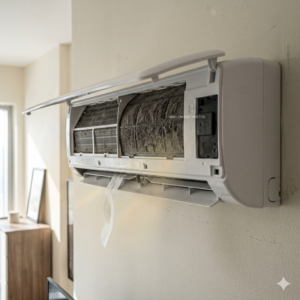
Examples of minor repairs include airflow restrictions, sensor or thermostat calibration issues, clogged drain lines, and early-stage electrical contact problems. In many cases, these issues are resolved during a standard service visit.
From a cost perspective, minor repairs usually fall into the lower end of the HVAC repair cost spectrum. Instead of worrying about numbers, the right mindset is to check the price after inspection and confirm what is included in the scope of work. Minor repairs are often the most cost-effective to address early, before they create stress on larger components.
Major HVAC Repairs and Why Costs Increase
Major HVAC repairs involve components that directly affect cooling or heating performance. When these parts fail or degrade, the system may still run but will struggle to maintain comfort.
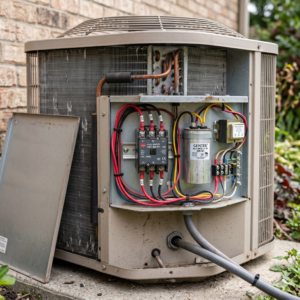
Examples include blower motor issues, control board faults, refrigerant-related repairs, or coil-related problems. These repairs require more labor, specialized tools, and sometimes part sourcing.
At this stage, HVAC repair cost increases not just because of parts, but because diagnosis becomes more complex. The technician must confirm that the repair will restore performance safely and reliably. Homeowners should expect a clear explanation and be prompted to check the price once the exact repair scope is confirmed.
Critical HVAC Repairs That Signal Serious Decisions
Critical repairs involve the most expensive and essential components of the HVAC system. These are issues that directly threaten the system’s viability.
Typical examples include compressor failure, major refrigerant leaks in older systems, or repeated electrical faults that indicate deeper system problems. At this level, HVAC repair cost can approach the point where replacement becomes part of the conversation.
The key here is not to panic, but to pause and evaluate. A professional technician should never rush you. Instead, they should explain the condition, the risks, and why you should check the price carefully before deciding the next step.
Hidden Charges That Often Surprise Homeowners
Many people feel blindsided by HVAC repair costs not because the repair itself is unreasonable, but because of additional charges they did not expect. Knowing these in advance helps you ask the right questions.
Diagnostic Visit Fees
A diagnostic visit covers the technician’s time, tools, and expertise to identify the issue. Even if you decide not to proceed with repair, this visit has value because it provides clarity.
Some companies bundle diagnostics into repair, while others separate it. Always ask how diagnostics are handled and whether they are deducted if you proceed.
Emergency and After-Hours Labor
HVAC problems do not always happen during business hours. Emergency or after-hours service usually costs more due to staffing and urgency.
If your system is still running and the issue is not a safety risk, waiting for regular hours can reduce HVAC repair cost significantly.
Flat-Rate vs Hourly Billing
Flat-rate pricing means you pay a set amount for a specific repair. Hourly billing means labor is charged based on time spent.
Flat-rate can feel safer because it limits surprises, while hourly billing can be fair for unpredictable jobs. The important thing is transparency. You should understand which model is used before work begins.
Why HVAC Repair Quotes Vary So Much
One of the most confusing parts of HVAC repair cost is seeing different quotes for what seems like the same problem. These differences are not always a sign of dishonesty.
Location and Labor Conditions
Labor costs vary by location due to licensing, demand, and working conditions. In high-demand climates, response time and technician availability can affect pricing.
System Accessibility
An HVAC unit that is easy to reach requires less labor time than one installed in tight ceilings, rooftops, or confined mechanical rooms. Accessibility directly affects cost.
Part Availability and Compatibility
Some systems use widely available components, while others rely on specific or older parts. Limited availability can increase wait time and cost.
Warranty Coverage
If parts are under manufacturer or service warranty, HVAC repair cost may be significantly reduced. Always mention warranty status before approving work.
Repair vs Replace A Practical Decision Framework
One of the most stressful questions homeowners face is whether to repair or replace their HVAC system. This decision should be logical, not emotional.
System Age
Newer systems usually benefit from repair, especially for minor or moderate issues. Older systems require a closer look at long-term value.
Severity of the Repair
Minor and major repairs often make sense to fix. Critical repairs may trigger a replacement discussion, especially if reliability is already declining.
Refrigerant Type
Systems using outdated refrigerants can face higher long-term costs and limited part availability. This factor alone can shift the repair-versus-replace balance.
A professional should help you walk through this logic clearly, not pressure you into a decision.
Short DIY Check Before Calling a Technician
Before scheduling a service visit, there are a few safe checks you can do to rule out simple issues.
- Check thermostat settings and mode
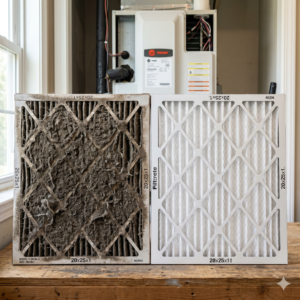
- Inspect and clean or replace air filters
- Ensure vents are open and unobstructed
- Look for obvious signs of water leakage
If these steps do not restore normal operation, it is time to call a professional. Avoid deeper DIY actions that could worsen the problem.
Using Cost Estimators and Decision Tools
Many homeowners hesitate to call because they fear being locked into a decision. Interactive tools such as HVAC cost estimators or repair-versus-replace checklists can help you understand potential outcomes without commitment.
These tools do not replace professional inspection, but they prepare you with better questions and realistic expectations. They also help you frame conversations around value instead of fear.
How Professional HVAC Services Approach Cost Transparency
A responsible HVAC service focuses on education, not pressure. The role of the technician is to diagnose, explain, and guide.
At Bio On Air, HVAC repair cost discussions are structured around inspection, explanation, and confirmation before work begins. Customers are encouraged to check the price, understand what is included, and decide based on long-term comfort and system health rather than urgency alone.
When HVAC problems are addressed early and correctly, they are far less likely to escalate into critical failures that disrupt daily life and increase long-term expenses.
Conclusion
Understanding HVAC repair cost is not about memorizing numbers. It is about understanding the journey: identifying whether your issue is minor, major, or critical; knowing which extra charges to expect; understanding why quotes vary; and having a clear framework to decide between repair and replacement.
When you approach HVAC repair with this mindset, you move from reacting out of stress to making informed decisions. A short DIY check, a transparent inspection, and clear communication about pricing and options can protect both your comfort and your budget. In the long run, informed choices almost always cost less than rushed ones.