




If you are searching for an ac maintenance agreement format, you are likely looking for something very practical: a clear document you can actually use, not a vague explanation. Whether you are a property owner, facilities manager, or AC service provider, the real pain point is usually the same—how to formalize expectations, avoid disputes, and ensure consistent AC performance over time. This guide gives you a ready-to-use AC maintenance agreement framework, explains every essential clause, and helps you understand how to customize it safely for real-world use.
Table of Contents
ToggleWhat an AC Maintenance Agreement Is and Why It Matters
An AC maintenance agreement is a formal contract between a service provider and a customer that defines how air conditioning systems will be maintained over a specific period. It protects both sides by clearly stating what is included, how often services are performed, how fast responses are expected, and how payment and renewals work.
Without a proper agreement, common problems arise:
- Unclear scope of work leading to disputes
- Missed maintenance visits or inconsistent service quality
- Unexpected charges for tasks assumed to be included
- Delays during emergencies because priority was never defined
A well-structured ac maintenance agreement format removes ambiguity. It sets expectations before problems occur and ensures the AC system is maintained in a predictable, professional manner.
Immediate Access and How to Use This Agreement Format
This article is designed to give you immediate access to a complete agreement structure. You can copy the format directly into a Word or Google Docs file, brand it, and adapt it to your specific service model.
For best results:
- Use this format as a base template
- Adjust pricing, visit frequency, and inclusions to match your offering
- Have the final version reviewed by a local legal or business professional
The sections below also act as a “preview,” so you can quickly see what the agreement covers before using it.
AC Maintenance Agreement Format – Core Structure
The following is a practical, standard agreement structure. Each section is explained so you understand its purpose and how to adapt it.
1. Parties and System Identification
This section identifies who is involved and what systems are covered.
It should include:
- Service provider legal name and contact details
- Customer name, address, and contact person
- Location of AC systems
- Type of systems covered (split units, ducted, VRF, central AC)
- Number of indoor and outdoor units
Clear system identification prevents confusion later, especially in multi-unit properties.
2. Scope of Work
The scope of work is the most critical part of any ac maintenance agreement format. It defines what the service provider is responsible for.
A clear scope typically includes:
- Routine inspection of AC units
- Cleaning of accessible components
- Operational testing
- Basic performance checks
Anything not listed here is generally considered excluded, so this section must be detailed but realistic.
3. Visit Frequency and Scheduling
This clause defines how often maintenance visits occur.
Common options include:
- Quarterly visits (4 times per year)
- Biannual visits (2 times per year)
- Monthly visits for commercial or high-usage systems
The agreement should also state how visits are scheduled, whether in advance or upon mutual confirmation, and how much notice is required for rescheduling.
4. Service Inclusions
This section lists what is included in each maintenance visit. Clarity here prevents disputes.
Typical inclusions:
- Filter inspection and cleaning
- Electrical connection checks
- Mechanical component inspection
- Drain line inspection
- Basic operational testing
It should be clearly stated that major repairs, spare parts, or system upgrades are not included unless specified.
5. Priority Response Terms
Priority response is often a key reason customers choose a maintenance agreement.
This clause should define:
- Response time for breakdown calls
- Whether emergency or after-hours service is included
- Priority level compared to non-contract customers
For example, agreement customers may receive same-day or next-day response during working hours.
6. Exclusions and Limitations
Exclusions protect the service provider from unreasonable expectations.
Common exclusions include:
- Replacement of major components
- Refrigerant refilling beyond minor top-ups
- Repairs caused by misuse, power surges, or external damage
- Structural or duct modifications
This section should be written clearly to avoid misunderstandings.
7. Payment Structure and Renewal Rules
This part explains how and when payment is made.
A standard ac maintenance agreement format usually includes:
- Total agreement price stated clearly
- Payment timing (annual upfront or staged)
- Renewal terms (automatic or manual)
- Price adjustment notice period
It should be clearly stated that prices may change upon renewal due to labor or spare part cost changes, with prior notice given to the customer.
8. Pricing – How to State It Clearly
Pricing should be written plainly, not hidden in fine print.
For example:
- Basic annual maintenance agreement: price stated clearly
- Enhanced or priority agreement: price stated clearly
The key is transparency. Customers should immediately understand what they are paying and what level of service they receive.
9. Transferability Conditions
This clause explains whether the agreement can be transferred.
Common rules include:
- Transfer allowed if property ownership changes
- Service provider must be notified in writing
- System condition may be re-inspected before transfer
This is especially important for rental properties and commercial spaces.
Standard-of-Care Task Checklist (Operational Section)
A strong agreement includes a task checklist. This sets a professional standard and ensures consistency.
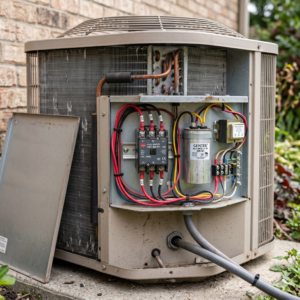
Electrical Checks
- Inspect wiring connections
- Check contactors and relays
- Verify thermostat operation
- Check voltage and basic safety controls
Mechanical Inspections
- Inspect fan motors and bearings
- Check belt condition if applicable
- Inspect mounting and vibration
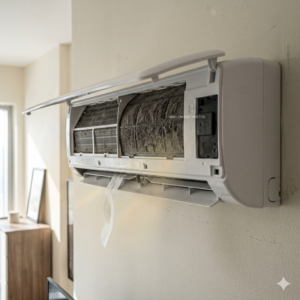
Cleaning Procedures
- Clean or wash filters
- Inspect and clean accessible coils
- Check and flush drain lines
System Health Verification
- Test cooling performance
- Check airflow consistency
- Verify normal operating noise
- Confirm system start and stop cycles
This checklist reassures customers that maintenance is not just a “quick visit,” but a structured process.
Visual Layout and Branding Guidance
A professional agreement should look professional.
Recommended layout elements:
- Company logo and brand colors
- Clear headings and section numbering
- Readable font size and spacing
- Signature section for both parties
A clean layout improves trust and reduces confusion.
Customization Options and Tiered Service Levels
Many businesses offer tiered maintenance plans.
Common tiers include:
- Basic: limited visits and standard response
- Standard: more frequent visits and priority response
- Premium: fastest response and additional inspections
Your ac maintenance agreement format should allow easy customization of these tiers without rewriting the entire document.
Legal Disclaimer and Compliance Reminder
This agreement format is intended as a practical framework. Laws, consumer protections, and business regulations vary by location.
Before final use:
- Have the agreement reviewed by a local legal professional
- Ensure compliance with consumer protection laws
- Confirm tax and invoicing requirements
This protects both service provider and customer from unintended legal issues.
When a Proper AC Maintenance Agreement Makes the Biggest Difference
An AC maintenance agreement is most valuable when expectations are clear before problems happen. It reduces disputes, improves system reliability, and creates a professional working relationship. Instead of reacting to breakdowns, both parties follow a predictable plan.
For property owners and businesses, this means fewer emergencies and better cost control. For service providers, it means structured work, clearer obligations, and stronger customer trust.
Conclusion
A well-designed ac maintenance agreement format is not just a document—it is a system for managing expectations, protecting both sides, and maintaining AC performance over time. By clearly defining scope, visit frequency, inclusions, exclusions, pricing, and response terms, you reduce confusion and build long-term reliability.
Use this framework as a practical starting point. Customize it to your service model, present it professionally, and always ensure it is reviewed for local compliance. When done correctly, an AC maintenance agreement becomes a valuable tool for stable operations, predictable costs, and consistent comfort.