




Why ac maintenance is important is a question many people only ask after something goes wrong. The AC stops cooling on the hottest day, electricity bills spike without explanation, or a sudden breakdown forces an urgent repair at an inconvenient time. In climates like the UAE, where AC systems run for long hours almost every day, maintenance is not an optional add-on. It is a practical decision that affects cost control, indoor air quality, system lifespan, warranty protection, and daily comfort for everyone using the space.
Table of Contents
ToggleThe Hidden Financial Impact of Skipping AC Maintenance
One of the biggest misconceptions about AC maintenance is that skipping it saves money. In reality, the opposite is often true. The financial impact of neglected maintenance is usually hidden and gradual, which makes it easy to overlook until costs become unavoidable.
When an AC system is not maintained, efficiency slowly declines. Dust builds up on filters and coils, airflow becomes restricted, and the system must work harder to deliver the same cooling result. This extra effort translates directly into higher electricity consumption.
Over time, the cost difference between a well-maintained AC and a neglected one becomes significant. Even a small drop in efficiency can increase monthly energy bills. Because this increase happens gradually, many households and businesses do not immediately link rising costs to AC performance.
The real financial shock often comes during an emergency breakdown. Planned maintenance allows you to manage costs calmly and predictably. Emergency repairs, on the other hand, usually involve urgent call-outs, limited options, and situations where technicians must explain prices when the system has already failed. At that point, the choice is no longer between options, but between discomfort and immediate repair.
Efficiency Loss Over Time and Rising Energy Waste
AC systems are designed to operate efficiently when airflow, heat exchange, and refrigerant performance are balanced. Maintenance plays a critical role in preserving that balance.
Without routine maintenance, several efficiency-related issues develop:
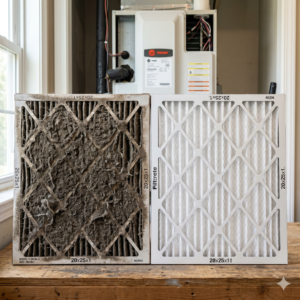
- Filters become clogged, reducing airflow.
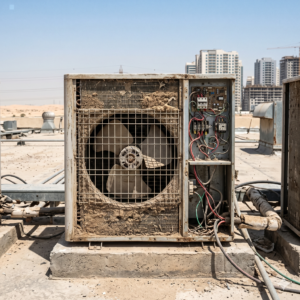
- Evaporator and condenser coils accumulate dirt, reducing heat transfer.
- Fans work harder to push air through restricted paths.
- Refrigerant performance becomes less effective due to strain and imbalance.
Each of these issues forces the AC to run longer cycles to achieve the same temperature. Longer run times mean higher energy use and more wear on components.
Over months and years, this energy waste adds up. A system that could have operated efficiently with routine servicing instead consumes more electricity, increases carbon footprint, and places unnecessary stress on mechanical and electrical parts.
Regular servicing through structured programs like AC maintenance and AMC services is designed to address efficiency loss before it becomes expensive and disruptive.
The Cost Gap Between Planned Servicing and Emergency Breakdowns
One of the clearest answers to why ac maintenance is important lies in comparing planned servicing with emergency repairs.
Planned maintenance is predictable. It is scheduled, budgeted, and usually completed without urgency. Emergency breakdowns are the opposite. They often occur at the worst possible time—during peak summer, late at night, or when the space is fully occupied.
When an AC fails unexpectedly, several cost factors come into play:
- Urgent call-out fees.
- Limited availability of technicians.
- Higher likelihood of major component damage.
- Pressure to approve repairs quickly due to discomfort.
In these situations, technicians must explain repair prices when the system is already down. This removes flexibility and increases stress for homeowners, tenants, and facility managers.
Routine maintenance significantly reduces the chance of sudden failure. Small issues are identified early, parts are cleaned or adjusted, and warning signs are addressed before they escalate into emergencies.
Health and Indoor Air Quality Risks from Poor Maintenance
AC maintenance is not only about mechanical performance. It plays a major role in indoor air quality and health.
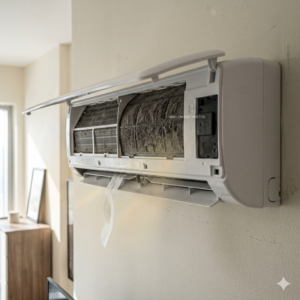
Inside an AC system, moisture, dust, and warmth can create ideal conditions for microbial growth if not properly managed. Damp coils, clogged drain lines, and dirty filters allow bacteria and mold to develop and spread through the airflow.
Common indoor air quality problems linked to poor AC maintenance include:
- Musty or unpleasant odors when the AC runs.
- Increased dust circulation inside rooms.
- Humidity imbalance leading to discomfort.
- Respiratory irritation, sneezing, or headaches.
These issues affect daily comfort and family wellbeing. Children, elderly individuals, and people with allergies or asthma are especially sensitive to poor indoor air quality.
Maintenance tasks such as coil cleaning, drain line inspection, and filter replacement are essential to prevent these health-related risks. In cases where internal contamination has developed, deeper hygiene-focused solutions like AC deep cleaning may be needed to restore safe and comfortable indoor air.
Humidity Imbalance and Daily Comfort Disruption
Many people associate AC performance only with temperature, but humidity control is just as important.
An AC system that is not properly maintained may cool the air but fail to remove excess humidity effectively. This leads to a room that feels clammy, sticky, or uncomfortable even when the thermostat setting is low.
Humidity imbalance can cause:
- Discomfort despite adequate cooling.
- Condensation on surfaces.
- Increased risk of mold growth.
- Difficulty maintaining consistent indoor comfort.
Routine maintenance helps ensure that coils, airflow, and drainage systems work together to manage both temperature and humidity. This balance is critical for comfortable living and working environments.
Mechanical Failure Prevention and System Longevity
Another key reason why ac maintenance is important is mechanical failure prevention.
AC systems are complex machines made up of many interconnected components. When one small part is neglected, the impact often spreads to others.
For example:
- A dirty filter restricts airflow.
- Restricted airflow causes the fan motor to work harder.
- Increased strain leads to electrical stress.
- Over time, major components such as motors or compressors are damaged.
What starts as a simple maintenance issue can cascade into a major repair. This chain reaction is one of the main reasons systems fail earlier than expected.
Regular maintenance interrupts this cycle. By addressing small issues early—cleaning, tightening, adjusting—maintenance protects major components and extends the overall lifespan of the system.
Electrical Safety and Risk Reduction
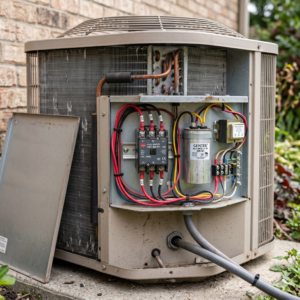
Electrical components are a critical part of AC systems and a common source of failure when maintenance is ignored.
Loose connections, worn contactors, and stressed circuit boards can cause:
- Intermittent system shutdowns.
- Unstable performance.
- Risk of electrical faults.
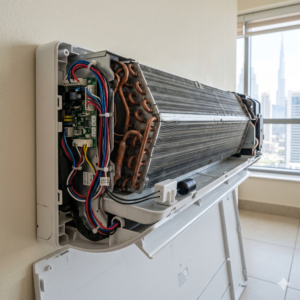
Routine maintenance includes checking electrical connections, ensuring components are operating within safe limits, and identifying early signs of wear.
These checks reduce the risk of sudden electrical failure and improve overall system safety.
Warranty Protection and Manufacturer Requirements
Many people are unaware that AC maintenance is often a requirement for warranty protection.
Manufacturers commonly specify service conditions in their warranty terms. These conditions may include:
- Regular servicing by qualified technicians.
- Proper documentation of maintenance visits.
- Use of approved procedures and parts.
If maintenance is skipped or undocumented, warranty claims can be denied. This means that when a major component fails, the cost falls entirely on the owner.
Routine maintenance creates a service record that supports warranty coverage. This documentation can be critical if a compressor, control board, or other major component fails during the warranty period.
What Routine AC Maintenance Actually Covers
Understanding what maintenance includes helps clarify why ac maintenance is important.
Routine AC maintenance typically addresses:
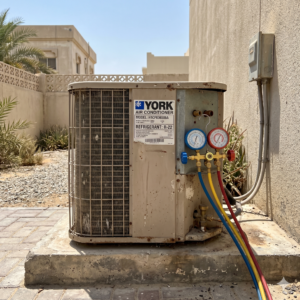
- Drainage: checking and cleaning drain lines to prevent leaks and water damage.
- Refrigerant performance: ensuring correct operating pressure and identifying early signs of leakage.
- Electrical safety: inspecting connections, controls, and safety components.
- Coil cleanliness: cleaning evaporator and condenser coils to maintain efficient heat exchange.
- Airflow: checking filters, fans, and vents to ensure balanced distribution.
Each of these tasks targets a specific risk area. Together, they reduce the chance of breakdown, improve efficiency, and maintain healthy indoor air.
Stress and Disruption Avoided Through Maintenance
AC failure rarely happens at a convenient time. It often disrupts sleep, work, and daily routines.
For families, it can mean uncomfortable nights, irritated children, and increased health concerns. For businesses, it can lead to productivity loss, customer discomfort, and operational disruption.
Maintenance reduces these risks by keeping the system stable and predictable. Instead of reacting to failures, you gain control over timing, cost, and performance.
Why Maintenance Is Especially Critical in Hot Climates
In hot climates like the UAE, AC systems operate under constant load for extended periods. This makes them more vulnerable to wear and efficiency loss.
Maintenance is not just recommended—it is essential. Systems that might survive without maintenance in milder climates often fail quickly under extreme heat.
Regular servicing ensures that the system is prepared for peak demand and reduces the likelihood of breakdown during the hottest months.
How Maintenance Supports Long-Term Cost Control
From a financial perspective, maintenance is a form of cost control rather than an expense.
By maintaining efficiency, preventing major failures, protecting warranties, and avoiding emergency repairs, maintenance helps spread costs over time and reduces financial surprises.
This is especially important for property owners, landlords, and facility managers who need predictable operating expenses.
When AC Maintenance Should Be Taken Seriously
AC maintenance should not be delayed until performance drops significantly. Early attention prevents stress, protects health, and avoids higher costs later.
Bio On Air supports preventive AC care through structured inspection, clear communication, and maintenance practices designed for local climate conditions. If you want to understand how maintenance can reduce risk and improve reliability for your system, you can use the WhatsApp or Call button at the top right of this page to discuss your situation with our team.
Conclusion
Understanding why ac maintenance is important goes beyond avoiding inconvenience. Maintenance protects efficiency, controls energy costs, safeguards indoor air quality, and prevents small issues from becoming major failures. It also supports warranty protection and reduces the stress associated with sudden breakdowns.
In environments where AC is essential, maintenance is not optional. It is a practical strategy for preserving comfort, health, and long-term value. By addressing issues early and consistently, AC maintenance helps you avoid disruption, manage costs, and maintain reliable performance when you need it most.