




AC technician responsibilities cover far more than fixing an air conditioner that is not cooling. A professional AC technician is responsible for ensuring comfort, safety, efficiency, and indoor air quality across residential and commercial environments. From installing new systems correctly to maintaining existing units and troubleshooting complex faults, the role combines technical skill, safety awareness, and clear communication with customers. This article explains core AC technician responsibilities in depth, focusing on installation, preventive maintenance, and repair, while also covering daily workflow, professional standards, customer interaction, and career expectations.
Table of Contents
ToggleCore Pillar 1 Installation Responsibilities
Installation is one of the most critical responsibilities of an AC technician because mistakes at this stage can affect system performance for years. Proper installation determines cooling efficiency, energy consumption, system lifespan, and even indoor air quality.
An AC technician responsible for installation must begin by understanding the system requirements and site conditions. This includes reviewing building layout, room size, ventilation paths, electrical capacity, and airflow design. Installation is not a one-size-fits-all task. Even similar-looking spaces may require different approaches based on heat load, insulation, and usage patterns.
During installation, the technician is responsible for:
- Verifying that the selected AC system matches the cooling requirements of the space.
- Ensuring indoor and outdoor units are positioned correctly for airflow, drainage, and accessibility.
- Connecting refrigerant lines, electrical wiring, and drainage according to technical standards.
- Sealing connections properly to prevent air leaks, moisture intrusion, and refrigerant loss.
After physical installation, the technician must test the system thoroughly. This includes checking airflow, temperature output, electrical stability, and control functionality. Installation responsibilities also involve explaining basic operation to the user, such as thermostat settings and initial usage recommendations.
A well-executed installation reduces future repair needs and supports energy-efficient operation. Poor installation, by contrast, often leads to repeated service calls and customer dissatisfaction.
Core Pillar 2 Preventive Maintenance Responsibilities
Preventive maintenance is a key responsibility that protects AC systems from unexpected breakdowns. Many failures occur not because of defective parts, but because small issues were ignored over time.
An AC technician performing preventive maintenance must inspect, clean, and adjust components before problems escalate. Maintenance responsibilities focus on system health rather than immediate failure.
Typical preventive maintenance duties include:
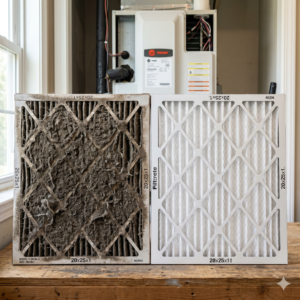
- Inspecting filters and advising on cleaning or replacement schedules.
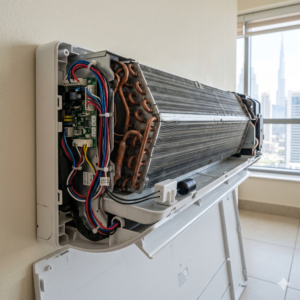
- Checking coils for dust buildup that reduces heat exchange efficiency.
- Inspecting drain lines to prevent water leakage and microbial growth.
- Verifying electrical connections and control response.
Preventive maintenance also involves measuring system performance and identifying early warning signs such as abnormal noise, vibration, or temperature imbalance. The technician must document findings clearly so future visits can track system condition over time.
This responsibility directly impacts customer costs and comfort. Proper maintenance helps maintain stable cooling, reduce energy consumption, and extend system lifespan.
Core Pillar 3 Repair and Troubleshooting Responsibilities
Repair and troubleshooting are often the most visible AC technician responsibilities, especially when customers experience discomfort. However, effective repair requires methodical diagnosis rather than quick assumptions.
An AC technician is responsible for identifying the root cause of a problem. Symptoms like “AC not cooling” or “unit making noise” can result from multiple underlying issues.
Troubleshooting responsibilities include:
- Observing system behavior during operation.
- Testing electrical components and controls.
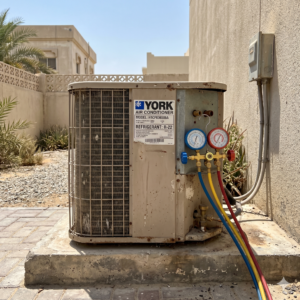
- Checking refrigerant pressure and flow.
- Inspecting mechanical parts such as fans and motors.
Once the cause is identified, the technician must recommend appropriate action. This may involve repair, adjustment, or advising replacement when repair is no longer practical. The technician is also responsible for confirming that the system functions correctly after repair and that safety controls are restored.
Good troubleshooting minimizes repeat failures and builds trust with customers.
Daily Workflow Responsibilities From Start to Finish
AC technician responsibilities extend beyond technical tasks. A typical workday involves preparation, coordination, fieldwork, and documentation.
Before arriving on-site, the technician must review job details, understand the reported issue, and prepare necessary tools and safety equipment. This preparation helps reduce delays and ensures readiness for different scenarios.
On-site responsibilities include:
- Coordinating access with property occupants or facility managers.
- Assessing site conditions such as space constraints or environmental hazards.
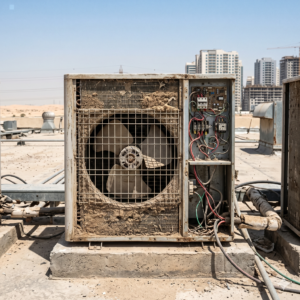
- Performing physical work in varied environments including rooftops, ceilings, and confined areas.
After completing the task, the technician must document the work performed. Proper service documentation is a critical responsibility, ensuring transparency and future reference. Records may include inspection results, repairs completed, recommendations, and follow-up needs.
Professional Standards and Safety Responsibilities
Safety is a non-negotiable responsibility for AC technicians. The work involves electrical systems, pressurized refrigerants, moving mechanical parts, and often challenging environments.
Professional safety responsibilities include:
- Following electrical safety procedures to prevent shock or fire hazards.
- Using appropriate personal protective equipment.
- Ensuring work areas are safe for occupants during and after service.
Technicians must also comply with regulations related to refrigerant handling. Incorrect handling can harm the environment and pose health risks. Proper recovery, containment, and disposal practices are part of the technician’s responsibility.
Certification and training ensure technicians understand these standards. Maintaining valid certifications and staying updated on regulations is an ongoing responsibility.
Technical Scope and Use of HVAC Tools
AC technician responsibilities include using specialized tools to inspect, diagnose, and test systems. These tools help measure temperature, airflow, electrical performance, and refrigerant behavior.
The technician must know how to use tools correctly and interpret results accurately. Misuse or misinterpretation can lead to incorrect conclusions.
Technical scope responsibilities involve:
- System inspection and visual assessment.
- Diagnostic testing and data interpretation.
- Adjustments to optimize performance.
- Final testing to confirm proper operation.
Tool competence supports efficient, reliable service without unnecessary guesswork.
Customer Communication and Expectation Management
One of the most important AC technician responsibilities is communication. Technical skill alone is not enough if findings are not explained clearly.
The technician must be able to:
- Explain problems in simple, non-technical language.
- Describe recommended actions and why they are necessary.
- Discuss repair versus replacement options logically.
Pricing discussion is also a responsibility. While exact figures may depend on inspection results, the technician should explain cost implications clearly so customers can make informed decisions. Transparency builds trust and avoids misunderstandings.
Residential Versus Commercial Responsibility Differences
AC technician responsibilities differ between residential and commercial settings. Residential systems are usually smaller and simpler, with direct communication to homeowners or tenants.
Commercial environments involve more complexity:
- Larger systems with multiple zones.
- Coordination with facility managers or multiple stakeholders.
- Work schedules that must minimize business disruption.
In commercial settings, technicians must also understand system integration and documentation requirements. Communication becomes more formal, and accountability is often higher due to system scale.
Career Expectations and Professional Accountability
AC technician responsibilities evolve with experience. Career growth depends on skill development, reliability, and quality of work.
Professional expectations include:
- Continuous learning to keep up with system advancements.
- Accountability for work quality and safety.
- Maintaining professionalism under pressure.
High-quality performance justifies the service delivered and supports long-term career stability. Technicians who take responsibility seriously are more likely to earn trust, repeat work, and advancement opportunities.
Conclusion
AC technician responsibilities extend across installation, preventive maintenance, and repair, supported by daily workflow discipline, safety standards, and customer communication. The role requires technical competence, clear judgment, and accountability in both residential and commercial environments. By understanding and fulfilling these responsibilities properly, an AC technician ensures not only system performance but also customer confidence, safety, and long-term value.