




Experiencing a cooling problem in AC is one of the most frustrating situations for homeowners and tenants, especially in hot climates like the UAE. Your AC is running, electricity is being consumed, yet the room still feels warm, uncomfortable, or unevenly cooled. The biggest pain point is cost uncertainty—many people worry that calling a technician will immediately lead to expensive repairs. The good news is that not every cooling problem requires professional intervention right away. In many cases, there are safe DIY steps you can take to improve cooling performance, reduce unnecessary expenses, and understand when expert help is truly needed.
Table of Contents
Toggle#1 Clean or Replace AC Filters to Restore Airflow
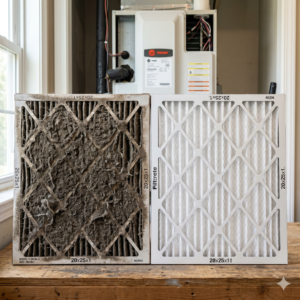
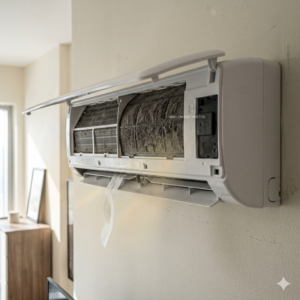
One of the most common and overlooked causes of a cooling problem in AC is a dirty air filter. Filters are designed to trap dust, hair, and airborne particles before air circulates through your room. Over time, these particles build up and restrict airflow.
When airflow is reduced:
- The AC struggles to push cool air into the room
- The system runs longer to reach the set temperature
- Electricity consumption increases
- Cooling feels weak or uneven
This often leads people to assume the AC is “low on gas” or “damaged,” when in reality, the system simply cannot breathe properly.
DIY action: Turn off the AC, remove the filter, and clean it using water and mild soap. Let it dry completely before reinstalling. If the filter is old or damaged, replacing it is inexpensive compared to repair costs.
Cost impact: Cleaning or replacing filters costs very little but can significantly improve cooling efficiency and reduce strain on the system. This is one of the easiest ways to cut costs without risk.
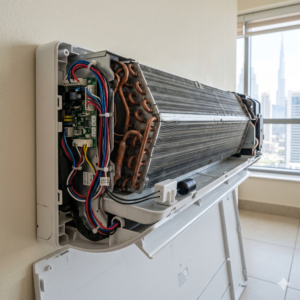
If airflow improves but cooling is still weak, the issue may be deeper inside the system, such as dust accumulation on coils or inside ducts. In those cases, professional AC deep cleaning or AC duct cleaning may eventually be needed.
#2 Optimize Thermostat Settings Instead of Lowering Temperature
When facing a cooling problem in AC, many people instinctively lower the thermostat to its minimum setting. Unfortunately, this does not make the room cool faster. It only forces the AC to run longer, increasing energy use and wear.
Common thermostat-related issues include:
- Setting the temperature too low, causing continuous operation
- Incorrect fan mode settings
- Poor thermostat placement near heat sources
DIY action: Set your thermostat to a realistic temperature (for example, 23–25°C). Use the “Auto” fan mode instead of “On,” so the fan cycles properly. If possible, avoid placing heat-generating appliances near the thermostat.
Cost impact: Correct thermostat use reduces unnecessary runtime, lowers electricity bills, and prevents the AC from appearing “weak” due to overworking.
If your thermostat is unresponsive, inaccurate, or outdated, calibration or replacement may be required. This is typically a minor service under professional AC repair, rather than a major expense.
#3 Check and Clear the Outdoor Unit for Heat Release
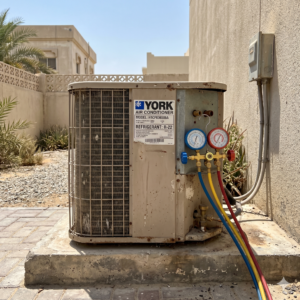
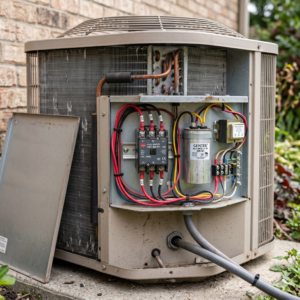
Another frequent cause of a cooling problem in AC is poor heat release at the outdoor unit. Many people focus only on the indoor unit, forgetting that cooling depends on how efficiently heat is expelled outside.
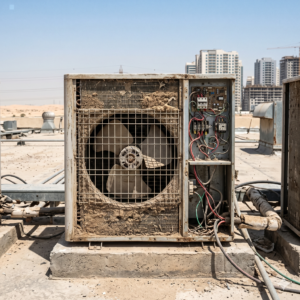
Outdoor unit problems often include:
- Dust, sand, or debris blocking airflow
- Objects placed too close to the unit
- Restricted ventilation in enclosed spaces
When heat cannot escape, the system cannot cool effectively, no matter how long it runs.
DIY action: Turn off the system and visually inspect the outdoor unit. Clear away debris, leaves, or objects around it. Ensure there is enough space for airflow on all sides.
Cost impact: This simple step costs nothing but can noticeably improve cooling performance and reduce energy waste.
If the outdoor unit is heavily clogged internally or exposed to long-term dust buildup, professional coil cleaning may be required as part of routine AC maintenance.
#4 Improve Airflow Inside the Room Before Assuming Major Damage
Sometimes, a cooling problem in AC is not caused by the system itself, but by airflow obstruction inside the room.
Common airflow mistakes include:
- Furniture blocking air vents
- Closed or partially closed vents
- Dirty vent covers
When cool air cannot circulate properly, certain areas feel warm even though the AC is working.
DIY action: Ensure vents are fully open and unobstructed. Rearrange furniture if necessary. Clean vent covers to remove dust buildup.
Cost impact: Improving airflow costs nothing and prevents unnecessary service calls for problems that are not mechanical.
If multiple rooms are affected or airflow feels weak throughout the space, duct-related issues may be involved. In such cases, professional assessment through AC duct cleaning may be more effective than repeated DIY attempts.
#5 Identify Early Warning Signs That DIY Should Stop
DIY solutions are helpful, but knowing when to stop is critical. Continuing DIY attempts beyond safe limits can turn a small cooling problem in AC into an expensive repair.
Stop DIY and seek professional help if you notice:
- Cooling improves briefly, then worsens again
- Water leakage from the indoor unit
- Strange electrical smells or burning odor
- AC trips the circuit breaker
These signs often indicate deeper issues such as refrigerant leakage, coil freezing, or electrical faults.
Cost impact: Early professional intervention is often cheaper than waiting until major components fail. Services like safe AC gas refill and leak repair or targeted AC repair address root causes instead of symptoms.
Why DIY Can Save Money—but Only Up to a Point
DIY actions are excellent for reducing costs when they address surface-level issues like airflow, settings, and cleanliness. However, many people unintentionally increase total expenses by continuing DIY when professional diagnosis is needed.
Common cost traps include:
- Repeatedly cleaning filters when the real issue is refrigerant leakage
- Lowering thermostat settings instead of fixing airflow problems
- Ignoring early warning signs until a component fails
Understanding this boundary helps you use DIY as a cost-saving tool, not a risk.
How Professionals Fix Cooling Problems More Efficiently
When a cooling problem persists, professionals approach it differently. Instead of guessing, they inspect airflow, temperature difference, electrical performance, and system balance.
Depending on findings, solutions may include:
- Targeted repair of faulty components
- Coil or duct cleaning to restore efficiency
- Gas leak detection and proper recharge
- System adjustment or calibration
These steps are designed to restore cooling without unnecessary replacement. You can explore how structured repair is handled through professional AC repair services.
When Cooling Problems Signal a Bigger System Issue
In some cases, a cooling problem is a sign of deeper system limitations, such as incorrect AC size or outdated equipment.
Indicators include:
- AC runs constantly but never reaches comfort
- Uneven cooling across rooms despite clean filters
- Frequent repairs with no lasting improvement
At this stage, repair alone may not be cost-effective. Understanding AC installation and replacement options helps you compare long-term costs instead of repeating short-term fixes.
How to Prevent Cooling Problems in the Future
Prevention is the most effective cost-saving strategy. Many cooling problems can be avoided with simple habits and periodic checks.
- Clean or replace filters regularly
- Schedule basic inspection before peak summer
- Keep outdoor units clear and ventilated
- Do not ignore small performance changes
Preventive care reduces emergency calls, stabilizes cooling performance, and lowers long-term expenses.
When Cooling Problems Should Be Addressed Properly
Cooling problems rarely fix themselves. If ignored, they can lead to uncomfortable indoor air, rising electricity bills, and permanent system damage. Bio On Air helps address cooling problems through careful inspection, safe repair methods, and clear guidance. Acting early is a preventive decision that often costs less than waiting. If you want to discuss your AC symptoms or understand the safest next step, you can use the WhatsApp or Call button at the top right of this page to connect with our team.
Conclusion
A cooling problem in AC does not always mean expensive repair. Many issues are caused by airflow restriction, poor settings, or basic maintenance gaps that you can safely address yourself. By applying the right DIY steps, you can restore comfort, reduce electricity waste, and avoid unnecessary service costs.
However, knowing when to stop DIY is just as important as knowing where to start. When cooling problems persist or show warning signs, professional inspection prevents small issues from becoming major expenses. In a climate where AC is essential, combining smart DIY habits with timely expert support is the most practical way to control costs and maintain reliable cooling.