




Searching for newborn ac temperature usually comes from one core concern: how to keep a baby comfortable and safe without risking overheating or getting too cold. Newborns cannot regulate body temperature the way adults do, which makes room temperature a critical factor—especially in hot climates or homes that rely heavily on air conditioning. This guide explains the exact temperature range recommended for newborns, why that range matters, how AC affects a baby’s body, and what parents should watch for to avoid common mistakes.
Table of Contents
ToggleWhat Is the Ideal Newborn AC Temperature Range
The generally recommended newborn ac temperature range is:
- 22–26°C (72–79°F) for most newborns
This range is widely considered safe and comfortable for healthy, full-term newborns when combined with appropriate clothing and bedding. It allows the baby’s body to maintain a stable core temperature without placing stress on immature temperature-regulation systems.
Within this range, many pediatric guidelines suggest that 24–25°C is often the most balanced setting for air-conditioned rooms, especially in warm or humid environments. However, the exact ideal point depends on humidity, airflow, clothing, and the baby’s health condition.
Why Temperature Control Is Critical for Newborns
Newborns lose heat faster than adults because their bodies have a larger surface area relative to weight and less insulating fat. At the same time, they cannot sweat efficiently to cool down when overheated.
This means:
- Rooms that feel “fine” to adults may be too cold for a newborn
- Rooms that feel slightly warm can quickly become unsafe
- Temperature fluctuations affect sleep, feeding, and breathing
Maintaining the correct newborn ac temperature helps reduce the risk of temperature-related stress, dehydration, poor sleep, and in severe cases, heat-related illness.
Is 24°C Safe for a Newborn
Yes, 24°C is generally considered safe and comfortable for newborns in air-conditioned rooms, provided other factors are managed correctly.
At 24°C:
- The room is cool enough to prevent overheating
- It avoids excessive cold that can cause heat loss
- Air movement can be controlled without direct drafts
Many hospitals, maternity wards, and neonatal care units maintain temperatures close to this range because it supports stable body temperature and better sleep patterns.
Is 26°C Too Warm for a Newborn
26°C is still within the acceptable newborn ac temperature range, especially if the baby is lightly dressed and the room has good air circulation.
However, at the upper end of the range:
- Humidity becomes more important
- Overdressing increases overheating risk
- Signs of discomfort should be monitored closely
If the room feels humid or stuffy at 26°C, lowering the temperature slightly or improving ventilation is recommended.
Is 22°C Too Cold for a Newborn
22°C can be safe for newborns, but it requires careful attention to clothing and bedding.
At lower temperatures:
- Babies may lose heat faster
- Hands and feet may feel cool
- Overexposure to cold air drafts becomes a risk
If you use 22°C, ensure the baby is dressed appropriately and that cold air is not blowing directly onto the crib or bassinet.
How Clothing Affects Newborn AC Temperature
Room temperature and clothing must always be considered together. A simple rule many caregivers use is:
Dress your newborn in one more light layer than what an adult would wear comfortably in the same room.
For example:
- At 24–25°C: light cotton onesie or sleep suit
- At 22–23°C: onesie plus light swaddle or sleep sack
- At 26°C: minimal layers, breathable fabric only
Heavy blankets, thick swaddles, or synthetic fabrics can cause overheating even when the AC temperature is set correctly.
How Humidity Changes the Ideal Temperature
Humidity plays a major role in how temperature feels. In humid environments, higher temperatures feel warmer and more uncomfortable.
For newborns:
- Ideal indoor humidity: 40–60%
- High humidity reduces cooling efficiency
- Very low humidity can dry skin and airways
If humidity is high, keeping the newborn ac temperature closer to 23–24°C may be more comfortable than 26°C.
Should AC Air Blow Directly on a Newborn
No. Direct airflow is more important than the temperature setting itself.
Direct AC airflow can:
- Cool the baby unevenly
- Dry the skin and nasal passages
- Increase the risk of chills
Always position the crib so that cool air circulates gently around the room rather than blowing straight onto the baby.
Signs a Newborn Is Too Cold
Instead of relying only on room temperature, observe the baby’s body signals.
Common signs of being too cold include:
- Cool chest or abdomen
- Pale or mottled skin
- Reduced activity or poor feeding
Hands and feet can feel cool normally, so always check the chest or back rather than extremities.
Signs a Newborn Is Too Hot
Overheating is a serious concern and should be addressed quickly.
Warning signs include:
- Hot or sweaty neck and chest
- Flushed skin
- Rapid breathing
- Restlessness or excessive crying
If these signs appear, reduce layers, improve airflow, or adjust the AC temperature.
Newborn AC Temperature During Sleep
Sleep is when temperature control matters most. Overheating during sleep has been associated with increased health risks.
For sleeping newborns:
- Keep room temperature within 22–26°C
- Avoid heavy blankets
- Use breathable sleepwear
Consistency is important. Sudden drops or spikes in temperature can disturb sleep and comfort.
Daytime vs Nighttime Temperature Settings
Parents often wonder if AC temperature should change at night.
In most cases:
- The same range is safe day and night
- Nighttime temperatures often feel cooler
- Lower settings may not be necessary
If outdoor temperatures drop significantly at night, slightly increasing the AC setting (for example from 23°C to 24–25°C) can help maintain comfort.
Special Considerations for Premature or Low-Birth-Weight Babies
Premature or medically vulnerable newborns may require different temperature management.
These babies:
- Lose heat faster
- Have thinner skin and less fat
- May need warmer environments
Always follow medical advice for these cases. Do not rely solely on general guidelines.
Common Mistakes Parents Make with AC and Newborns
Even with the right newborn ac temperature, mistakes can happen.
- Setting the AC too low “to be safe”
- Overdressing the baby in air-conditioned rooms
- Allowing direct airflow onto the crib
- Ignoring humidity levels
Most issues come from combining correct temperature with incorrect airflow or clothing.
How to Monitor Temperature Accurately
Do not rely on how the room feels to adults.
Better approaches include:
- Using a room thermometer near the crib
- Checking baby’s chest temperature regularly
- Observing behavior and sleep quality
Smart thermostats or baby monitors with temperature sensors can also help maintain consistency.
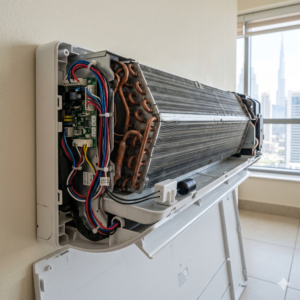
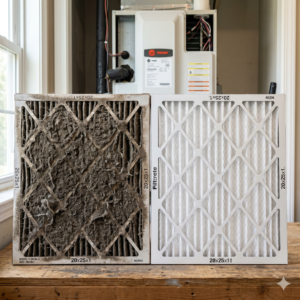
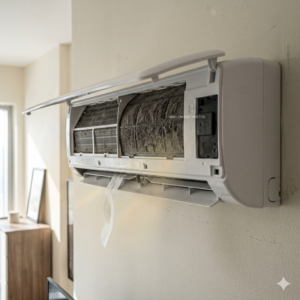
How AC Maintenance Affects Newborn Comfort
An overlooked factor is AC system cleanliness and performance.
Poorly maintained AC systems can:
- Distribute uneven cooling
- Circulate dust and allergens
- Create inconsistent temperature zones
For households with newborns, clean filters and well-maintained systems help ensure stable temperature and healthier air.
When to Adjust the Temperature
Adjust the newborn ac temperature when:
- The baby shows signs of discomfort
- Humidity levels change significantly
- Clothing or bedding changes
Small adjustments of 0.5–1°C are usually enough.
Conclusion
The ideal newborn ac temperature is generally between 22–26°C, with 24–25°C being a safe and balanced choice for most homes. However, temperature alone is not enough. Clothing, humidity, airflow, and the baby’s individual response all play an important role.
Instead of focusing on a single number, parents should aim for a stable, gentle environment where the baby’s chest feels warm, breathing is calm, and sleep is undisturbed. Avoid direct cold airflow, use breathable fabrics, and monitor both the room and the baby’s comfort signals.
By understanding how AC temperature truly affects newborns, caregivers can make informed decisions that support healthy sleep, comfort, and peace of mind—especially in warm climates where air conditioning is used daily.